

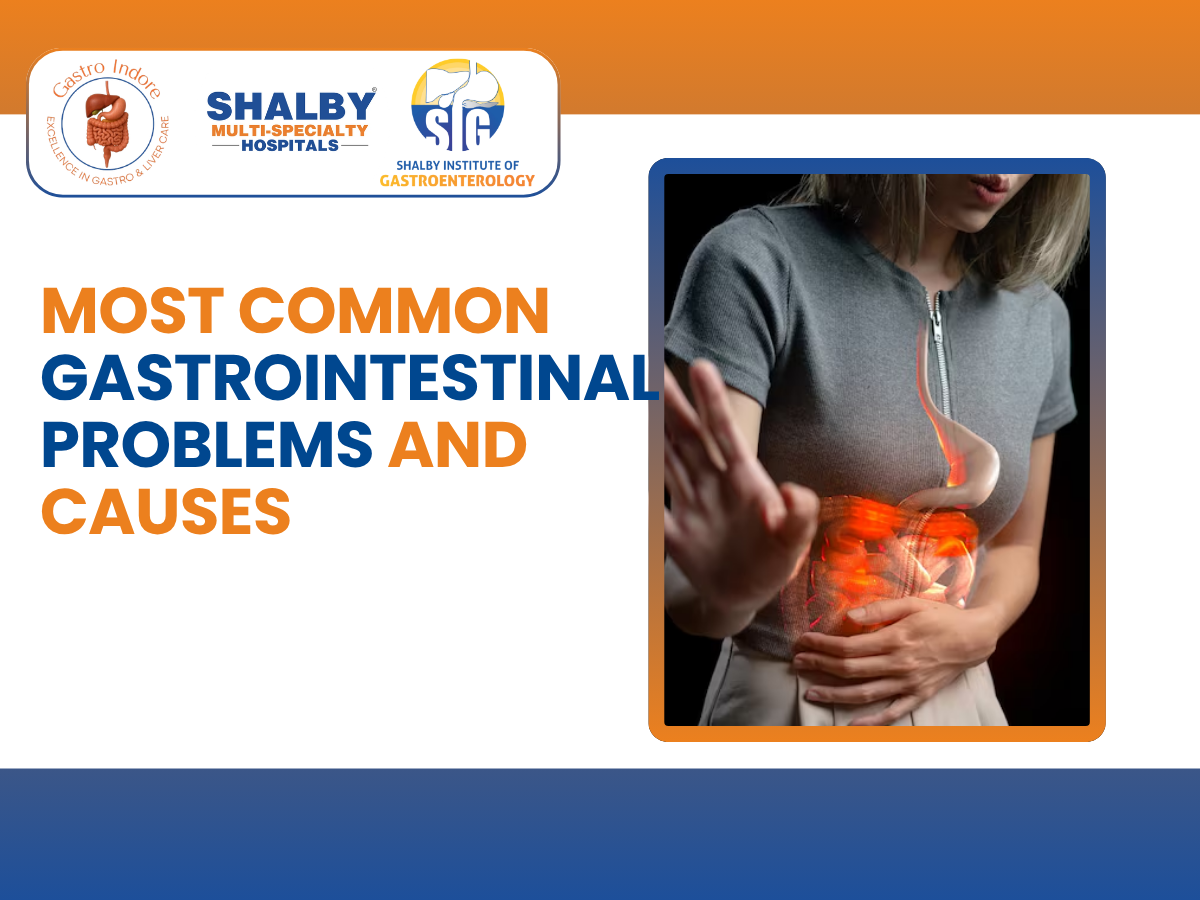
Digestive health affects nearly every part of daily life, from energy levels to mood and sleep. If you have been searching for a trusted Gastroenterologist in Indore, understanding the most common gastrointestinal problems and causes is the first step toward relief. At Gastro Indore, our team of specialists sees patients every day with concerns ranging from mild bloating to serious digestive disorders, and early awareness often makes the biggest difference in treatment outcomes.
This guide breaks down the most common gastrointestinal problems and causes, their symptoms, and when it is time to see a GI Specialist in Indore. Whether you are dealing with occasional discomfort or a long-standing issue, this article will help you recognize the signs and take the right next step.
Understanding the Most Common Gastrointestinal Problems and Causes
The gastrointestinal (GI) tract includes the esophagus, stomach, small intestine, large intestine, liver, gallbladder, and pancreas. When any part of this system is disrupted, it can lead to a wide range of digestive complaints. The most common gastrointestinal problems and causes usually stem from a combination of diet, lifestyle, infections, and underlying medical conditions.
Many people ignore early digestive symptoms, assuming they will pass on their own. However, untreated GI issues can worsen over time, which is why consulting a Stomach Specialist in Indore early is important. Below, we cover the conditions our patients ask about most often.
Most Common Gastrointestinal Problems You Should Know
1. Acid Reflux (GERD)
Gastroesophageal reflux disease, commonly called GERD, happens when stomach acid flows back into the esophagus. This causes heartburn, chest discomfort, and a sour taste in the mouth. Frequent spicy food, obesity, smoking, and lying down soon after meals are common triggers.
2. Gastritis
Gastritis refers to inflammation of the stomach lining. It is often caused by H. pylori bacterial infection, long-term use of painkillers, excessive alcohol consumption, or chronic stress. Left untreated, gastritis can progress to ulcers.
3. Peptic Ulcers
Peptic ulcers are open sores that develop on the inner lining of the stomach or upper small intestine. The two leading causes are H. pylori infection and prolonged use of nonsteroidal anti-inflammatory drugs (NSAIDs). Symptoms include burning stomach pain, bloating, and nausea.
4. Irritable Bowel Syndrome (IBS)
IBS is a functional disorder that affects the large intestine, causing cramping, bloating, gas, and irregular bowel habits. Stress, certain foods, and gut bacteria imbalances are known contributors.
5. Constipation and Diarrhea
These are among the most common gastrointestinal problems and causes reported in clinics. Low fiber intake, dehydration, inactivity, and certain medications often cause constipation, while infections, food intolerances, and stress commonly trigger diarrhea.
6. Gallstones
Gallstones form when substances in bile, such as cholesterol, harden inside the gallbladder. Risk factors include obesity, a high-fat diet, rapid weight loss, and family history. Symptoms include sharp pain in the upper right abdomen, especially after fatty meals.
7. Hemorrhoids (Piles)
Hemorrhoids are swollen veins in the rectal area, often caused by straining during bowel movements, chronic constipation, prolonged sitting, or pregnancy. They can cause pain, itching, and bleeding.
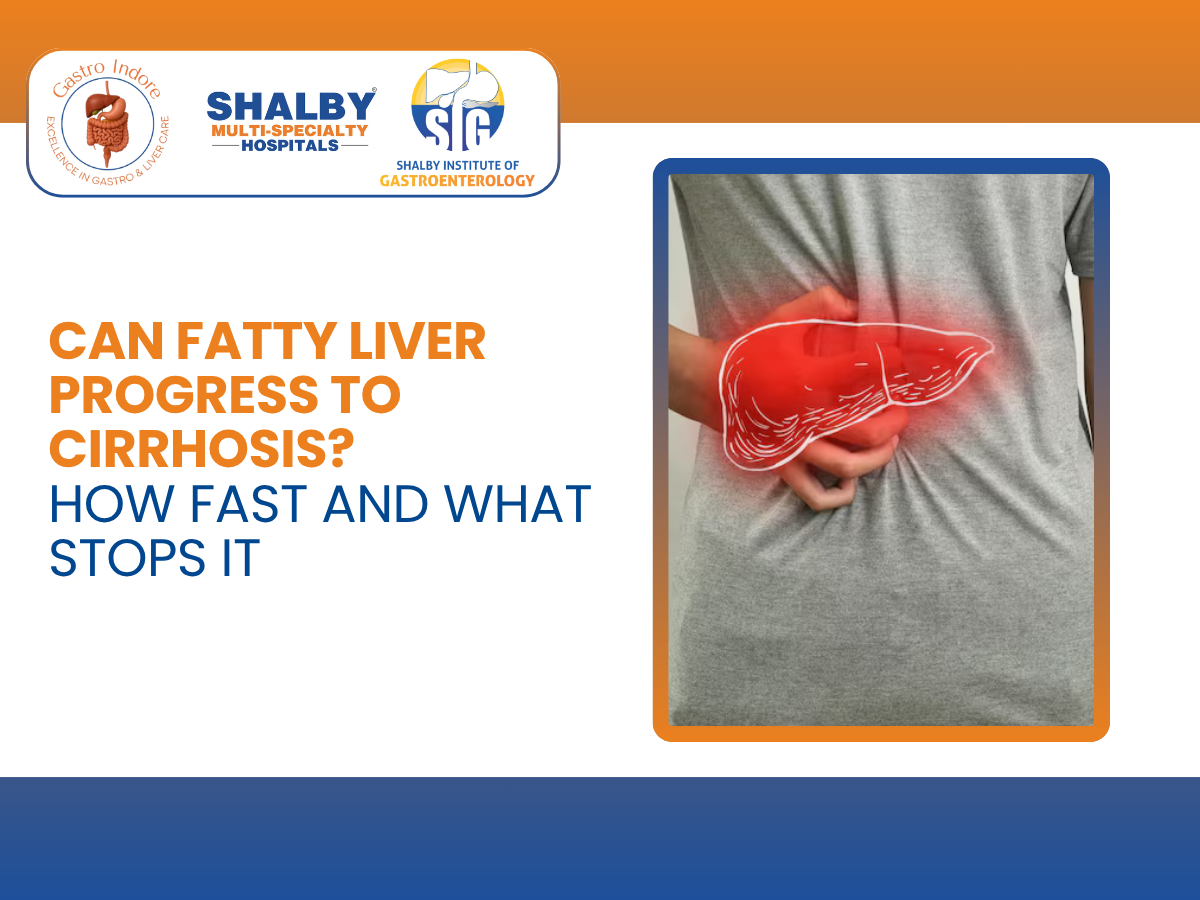
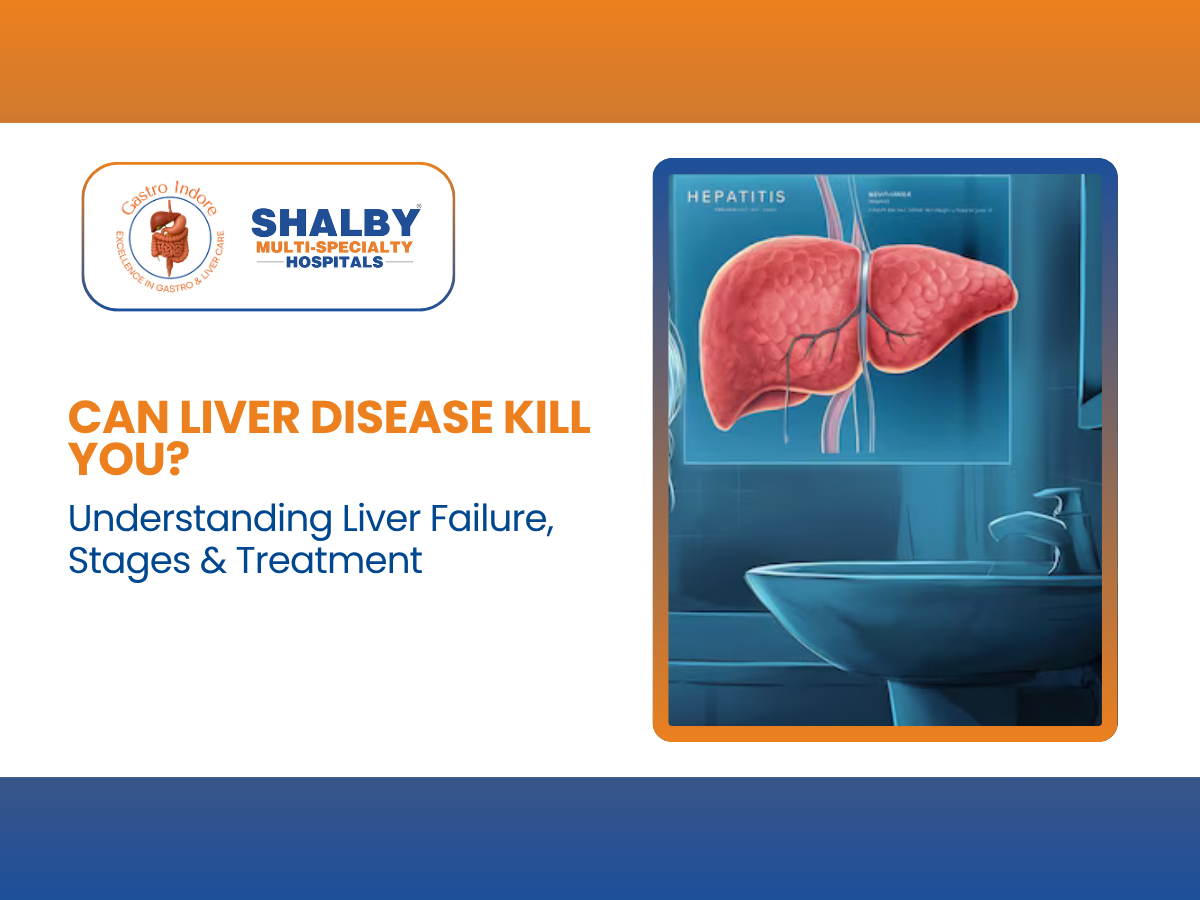
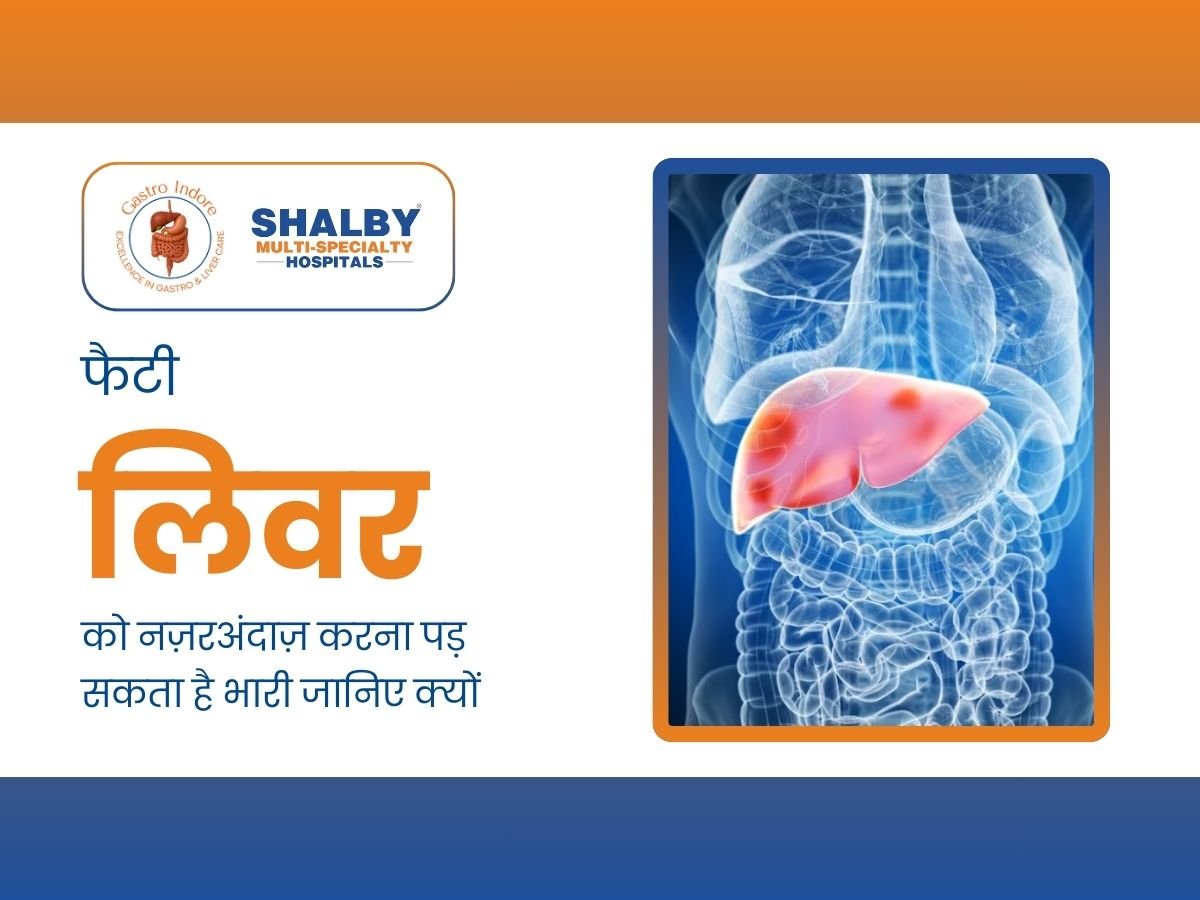
8. Fatty Liver Disease
Non-alcoholic fatty liver disease (NAFLD) occurs when excess fat builds up in liver cells. It is closely linked to obesity, diabetes, and sedentary lifestyles, and often has no symptoms until it progresses.
9. Inflammatory Bowel Disease (IBD)
IBD includes conditions like Crohn’s disease and ulcerative colitis, which cause chronic inflammation of the digestive tract. The exact cause is unknown, but genetics and an overactive immune response are believed to play a role.
Common Causes of Gastrointestinal Problems
Understanding the root causes behind these conditions helps in prevention and early treatment. The most frequent causes include:
- Poor dietary habits such as excessive oily, spicy, or processed food
- Bacterial or viral infections affecting the stomach and intestines
- Chronic stress and anxiety, which disrupt normal gut function
- Overuse of medications like painkillers and antibiotics
- Sedentary lifestyle and lack of physical activity
- Smoking and excessive alcohol consumption
- Autoimmune conditions that trigger inflammation in the digestive tract
- Genetic and family history of digestive disorders
According to the National Institute of Diabetes and Digestive and Kidney Diseases (NIDDK), digestive diseases affect millions of people and are influenced by both lifestyle and genetic factors. The Mayo Clinic also notes that early lifestyle intervention can significantly reduce the severity of many common GI conditions.
Symptoms That Indicate You Need a Gastroenterologist in Indore
Not every stomach ache requires a specialist visit, but certain symptoms should never be ignored. Consider booking an appointment with a gastrologist in Indore if you experience:
- Persistent abdominal pain lasting more than two weeks
- Unexplained weight loss
- Blood in the stool or vomit
- Difficulty swallowing
- Chronic heartburn despite over-the-counter medication
- Ongoing bloating, gas, or changes in bowel habits
- Yellowing of the skin or eyes (jaundice)
Ignoring these symptoms can allow underlying issues to progress. Seeing one of the best gastrologist doctors in Indore early can prevent complications and lead to faster recovery.
Why Choose a Gastro Clinic in Indore for Digestive Disorder Treatment
Choosing the right Gastro Clinic in Indore matters because digestive conditions often require accurate diagnosis through endoscopy, ultrasound, or lab testing. A dedicated Digestive Disorder Treatment in Indore center offers:
- Access to experienced specialists trained in advanced GI care
- On-site diagnostic facilities for faster results
- Personalized treatment plans based on individual health history
- Follow-up care to monitor recovery and prevent recurrence
Patients searching for the top gastrologist in Indore or comparing the top 10 gastrologist in Indore should look for board-certified specialists with strong patient outcomes and clear communication.
How to Prevent Gastrointestinal Problems
Prevention plays a major role in maintaining long-term digestive health. Simple daily habits can reduce your risk significantly:
- Eat smaller, balanced meals with adequate fiber
- Stay hydrated throughout the day
- Exercise regularly to support healthy digestion
- Limit alcohol and avoid smoking
- Manage stress through relaxation techniques or counseling
- Avoid long-term use of painkillers without medical supervision
- Schedule regular check-ups with a stomach specialist in Indore
The World Health Organization (WHO) emphasizes that lifestyle modification remains one of the most effective tools in preventing chronic digestive conditions.
When to Consult the Best Gastrologist in Indore
If you have tried lifestyle changes and over-the-counter remedies without relief, it is time to consult a professional. Working with the best gastrologist in Indore ensures you receive an accurate diagnosis rather than guessing at the cause of your symptoms. At Gastro Indore, our specialists combine years of clinical experience with modern diagnostic tools to identify the exact issue and recommend the right treatment path.
Whether you need routine screening, management of a chronic condition, or urgent care for acute symptoms, choosing a trusted GI Specialist in Indore can make all the difference in your long-term health.
FAQs About Gastrointestinal Problems and Causes
1. What are the most common gastrointestinal problems?
The most common gastrointestinal (GI) problems include acid reflux (GERD), gastritis, peptic ulcers, irritable bowel syndrome (IBS), constipation, diarrhea, gallstones, hemorrhoids (piles), fatty liver disease, and inflammatory bowel disease (IBD). Early diagnosis helps prevent complications and improves treatment outcomes.
2. What causes gastrointestinal problems?
Gastrointestinal problems can result from infections, unhealthy eating habits, stress, medications, autoimmune diseases, and chronic medical conditions. Lifestyle factors such as smoking, excessive alcohol use, obesity, and poor diet can also increase the risk.
3. What are the common symptoms of gastrointestinal disorders?
Symptoms vary depending on the condition but often affect digestion and bowel habits. Common symptoms include abdominal pain, bloating, heartburn, nausea or vomiting, constipation or diarrhea, blood in the stool, and unexplained weight loss.
4. When should I see a doctor for digestive problems?
You should consult a gastroenterologist if digestive symptoms persist for more than two weeks or become severe. Seek prompt medical care if you experience difficulty swallowing, persistent vomiting, jaundice, black stools, or significant weight loss.
5. How are gastrointestinal problems diagnosed?
Doctors diagnose gastrointestinal disorders using your medical history, physical examination, and appropriate tests. These may include blood tests, stool tests, ultrasound, upper GI endoscopy, colonoscopy, CT scans, or MRI, depending on your symptoms.
6. Can gastrointestinal problems be prevented?
Many gastrointestinal problems can be prevented through healthy lifestyle choices. Eating a balanced diet, staying hydrated, exercising regularly, avoiding smoking, limiting alcohol, and maintaining good hygiene can support digestive health.
7. Which gastrointestinal problems require urgent medical attention?
Some gastrointestinal symptoms require immediate medical evaluation, including severe abdominal pain, vomiting blood, black tarry stools, heavy rectal bleeding, high fever with abdominal pain, and persistent vomiting.
8. Can stress cause gastrointestinal problems?
Yes, stress can affect the digestive system and worsen several gastrointestinal disorders. It may contribute to symptoms of IBS, acid reflux, indigestion, and functional digestive disorders in some individuals.
9. What treatments are available for gastrointestinal disorders?
Treatment depends on the underlying cause of the gastrointestinal problem. Options may include medications, dietary changes, lifestyle modifications, endoscopic procedures, or surgery for selected conditions.
10. Which doctor treats gastrointestinal problems?
A gastroenterologist is the specialist who diagnoses and treats disorders of the digestive system, including the esophagus, stomach, intestines, liver, pancreas, and gallbladder. Early consultation can help ensure accurate diagnosis and timely treatment.
Book Your Consultation with Gastro Indore Today
Don’t let digestive discomfort affect your daily life. If you are experiencing any of the symptoms discussed above, our team of experienced specialists is here to help. Contact Gastro Indore today to schedule a consultation with the gastrologist in Indore near me and take the first step toward lasting digestive health.