

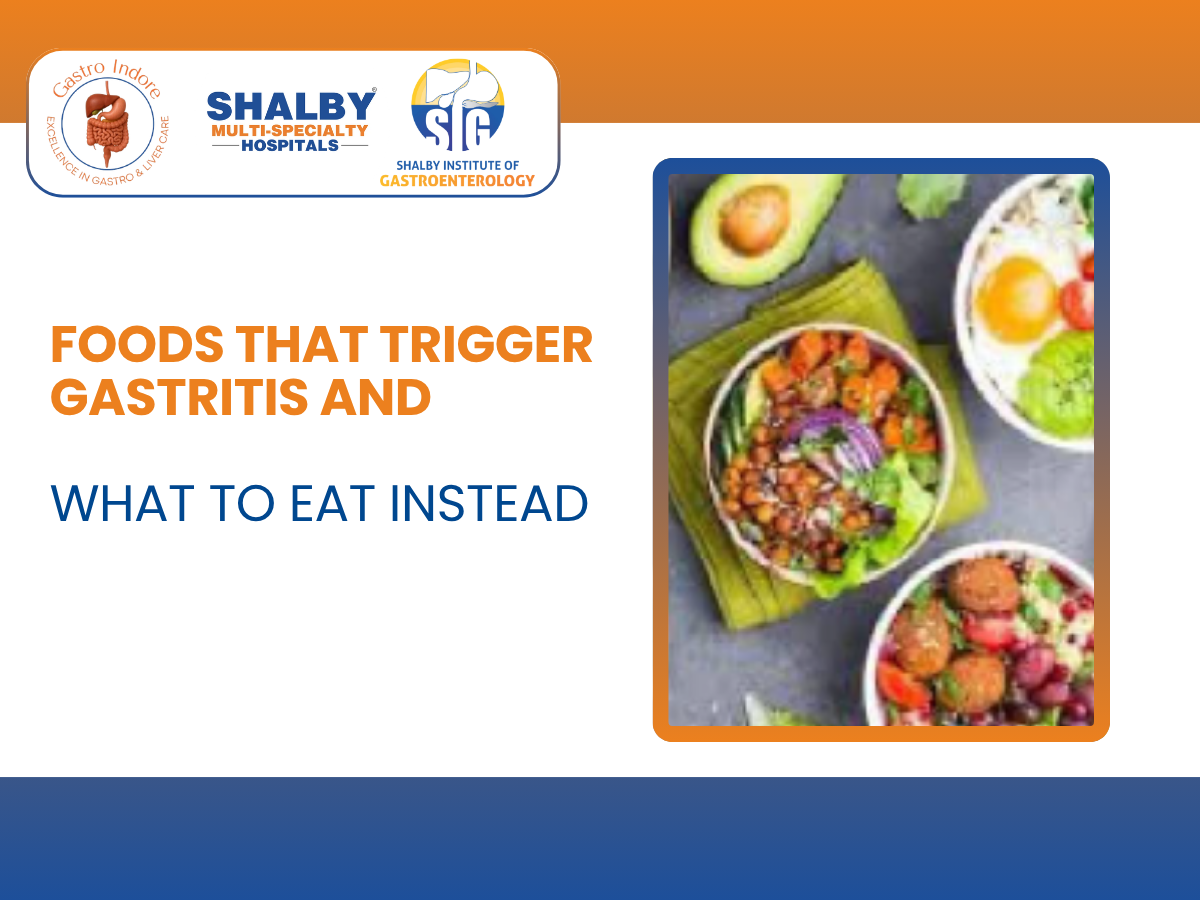
If you frequently experience stomach pain, bloating, or nausea after eating, your diet may be irritating your stomach lining. Understanding foods that trigger gastritis and choosing the right alternatives can make a significant difference in your comfort and recovery. Whether you are looking for gastritis treatment in Indore or simply want to manage your symptoms better, this guide gives you clear, practical answers.
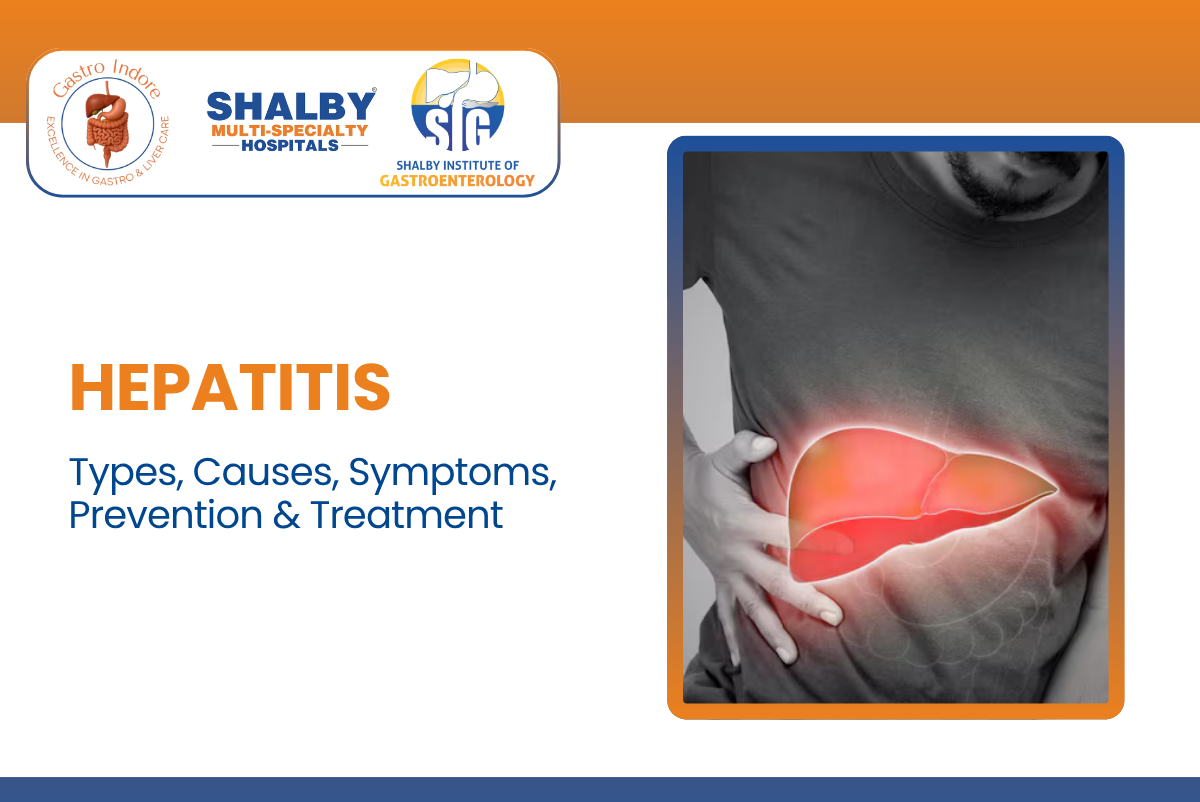
Gastritis refers to the inflammation of the stomach lining. It can be caused by an H. pylori infection, prolonged use of anti-inflammatory drugs, excessive alcohol consumption, or chronic stress. While medical treatment is essential, what you eat plays a major role in managing symptoms and supporting recovery.
What Is Gastritis?
Gastritis occurs when the protective lining of the stomach becomes inflamed or irritated. This can happen suddenly (acute gastritis) or develop gradually over time (chronic gastritis). The condition affects millions of people worldwide and can lead to serious complications if left untreated.
Common symptoms include a burning sensation in the upper abdomen, nausea, vomiting, a feeling of fullness, and loss of appetite. If you experience these symptoms regularly, consulting a gastritis specialist doctor is highly recommended.
Foods That Trigger Gastritis: What to Avoid
Knowing which foods that trigger gastritis helps you avoid unnecessary flare-ups. The following food groups are known to irritate the stomach lining and worsen inflammation:
1. Spicy and Hot Foods
Chili peppers, hot sauces, and heavily spiced curries can directly irritate the stomach lining. Capsaicin, the compound that makes food spicy, stimulates acid production, which worsens gastritis symptoms. If you already have inflammation, spicy food can intensify burning and pain.
2. Fried and Fatty Foods
Deep-fried snacks, fast food, and high-fat meals slow down digestion and increase the time food sits in the stomach. This leads to more acid production and prolonged irritation. Avoiding fried foods is one of the first steps recommended in any gastritis treatment plan.
3. Acidic Foods and Citrus Fruits
Oranges, lemons, grapefruits, and tomatoes are high in natural acids. While nutritious for most people, these can worsen acid reflux treatment in Indore cases and aggravate an already inflamed stomach lining.
4. Carbonated and Caffeinated Drinks
Fizzy drinks like sodas release carbon dioxide gas in the stomach, causing bloating and discomfort. Coffee and caffeinated teas stimulate acid production even in decaffeinated forms for some individuals. For people with gastritis, both should be limited or avoided.
5. Alcohol
Alcohol is one of the most direct irritants to the stomach lining. It increases acid secretion, weakens the stomach’s protective mucus layer, and can trigger or worsen gastritis. The best gastritis doctor in Indore will almost always advise complete avoidance of alcohol during treatment.
6. Processed and Packaged Snacks
Chips, instant noodles, packaged biscuits, and preserved meats are often loaded with preservatives, artificial flavors, and high levels of sodium. These ingredients can disturb the gut environment and increase stomach acid levels, making gastritis symptoms worse.
7. Red Meat and High-Fat Dairy
Red meats like beef and pork are harder to digest and can sit in the stomach longer. Full-fat dairy products such as cream, butter, and full-fat cheese can also slow digestion and promote acid production, leading to discomfort in those with gastritis.
What to Eat Instead: Gastritis-Friendly Foods
Choosing the right foods is just as important as avoiding the wrong ones. A stomach-friendly diet can reduce inflammation, support healing, and improve your quality of life.
• Bananas and Melons: Low-acid fruits that are gentle on the stomach and easy to digest.
• Oatmeal and Brown Rice: High in fiber and help absorb excess stomach acid.
• Boiled or Steamed Vegetables: Carrots, spinach, sweet potatoes, and zucchini are easy on the digestive system.
• Lean Proteins: Skinless chicken, turkey, fish, and egg whites are low in fat and easier to digest.
• Low-Fat Yogurt with Probiotics: Supports gut bacteria and may be beneficial, especially when gastritis is related to H. pylori infection.
• Ginger Tea: Known for its anti-inflammatory properties and may help soothe stomach discomfort.
• Whole Grain Bread: Easier on the stomach than refined white bread and provides sustained energy.
Building meals around these foods can significantly reduce the frequency and intensity of gastritis symptoms. Your stomach specialist near me can help you customize a diet plan based on your specific condition and health history.
Healthy Eating Habits That Support Gastritis Treatment
Diet quality matters, but so does how you eat. These habits can complement any gastritis treatment plan:
• Eat smaller, more frequent meals rather than three large ones.
• Chew food slowly and thoroughly before swallowing.
• Avoid eating late at night or right before lying down.
• Stay well-hydrated with plain water throughout the day.
• Do not skip meals, as an empty stomach produces more acid.
• Keep a food diary to identify your personal triggers.
These simple changes, when combined with professional gastritis treatment near me, can speed up recovery and prevent future flare-ups.
When to See a Gastroenterologist for Gastritis
Many people try to manage gastritis through dietary changes alone. However, if your symptoms persist for more than a few days, worsen over time, or are accompanied by alarming signs, you should see a gastroenterologist for gastritis without delay.
Seek immediate medical attention if you experience:
• Vomiting blood or material that looks like coffee grounds
• Black or tarry stools
• Severe or worsening abdominal pain
• Unexplained weight loss
• Persistent nausea or vomiting lasting more than 48 hours
A stomach pain specialist in Indore or gastroenterologist in Indore can perform an endoscopy, run H. pylori tests, and recommend the appropriate treatment plan whether it involves medications, dietary therapy, or lifestyle changes.
Trusted References for Gastritis Dietary Guidance
The following authoritative sources provide additional guidance on gastritis management and digestive health:
• Mayo Clinic: Gastritis Overview and Treatment
• National Institute of Diabetes and Digestive and Kidney Diseases (NIDDK): Gastritis Diet & Nutrition
• World Gastroenterology Organisation (WGO): Guidelines on H. pylori and Gastritis
FAQs About Foods That Trigger Gastritis
1. Which foods commonly trigger gastritis?
Spicy, acidic, and processed foods are among the most common triggers for gastritis. These foods can irritate the stomach lining and worsen symptoms such as pain, bloating, and nausea. Common triggers include:
• Spicy foods
• Fried foods
• Citrus fruits
• Carbonated drinks
• Processed snacks
2. What foods should I eat if I have gastritis?
A bland, stomach-friendly diet is often recommended for gastritis. Foods that are generally easier on the stomach include:
• Bananas and apples
• Oatmeal and rice
• Boiled vegetables
• Lean proteins
• Low-fat yogurt
3. Can spicy food make gastritis worse?
Yes, spicy foods can worsen gastritis symptoms in some individuals. Chili peppers and heavily spiced meals may irritate the stomach lining, leading to increased burning, pain, or discomfort.
4. Is coffee bad for gastritis?
Coffee may aggravate gastritis symptoms in certain people by stimulating acid production. Both caffeinated and, in some cases, decaffeinated coffee can trigger symptoms depending on individual sensitivity.
5. Are dairy products good or bad for gastritis?
Low-fat dairy products may be tolerated by some people with gastritis, but responses vary. While yogurt with probiotics may support digestive health, high-fat dairy products can sometimes worsen symptoms.
6. What fruits are safe to eat with gastritis?
Low-acid fruits are generally better tolerated by people with gastritis. Good options may include:
• Bananas
• Melons
• Pears
• Apples (peeled if needed)
Avoid highly acidic fruits if they trigger symptoms.
7. Should I avoid alcohol if I have gastritis?
Yes, alcohol should generally be avoided if you have gastritis. Alcohol can irritate and damage the stomach lining, potentially worsening inflammation and delaying healing.
8. Can probiotics help with gastritis?
Probiotics may help support digestive health and restore the balance of gut bacteria. Some studies suggest they may be beneficial, especially when gastritis is associated with Helicobacter pylori infection.
9. What eating habits can help manage gastritis?
Eating smaller, more frequent meals may help reduce gastritis symptoms. Additional dietary tips include:
• Avoid late-night meals
• Chew food thoroughly
• Stay hydrated
• Limit trigger foods identified personally
10. When should I see a doctor for gastritis symptoms?
Consult a doctor if symptoms persist, worsen, or are accompanied by alarming signs. Seek medical attention for:
• Vomiting blood
• Black stools
• Unexplained weight loss
• Severe abdominal pain
• Persistent nausea or vomiting
Get Expert Gastritis Treatment in Indore Today
Living with gastritis does not have to mean constant discomfort. At Gastro Indore, our experienced gastroenterologist in Indore provides personalized, evidence-based care to help you manage your condition and regain your quality of life.
Whether you need gastritis treatment in Indore, a comprehensive diet plan, or an endoscopy for accurate diagnosis, we are here to help. Do not wait for symptoms to worsen.
Book Your Consultation with the Best Doctor for Gastritis in Indore
Call us today or visit Gastro Indore to speak with a trusted gastro doctor in Indore and take the first step toward a healthier, pain-free life.