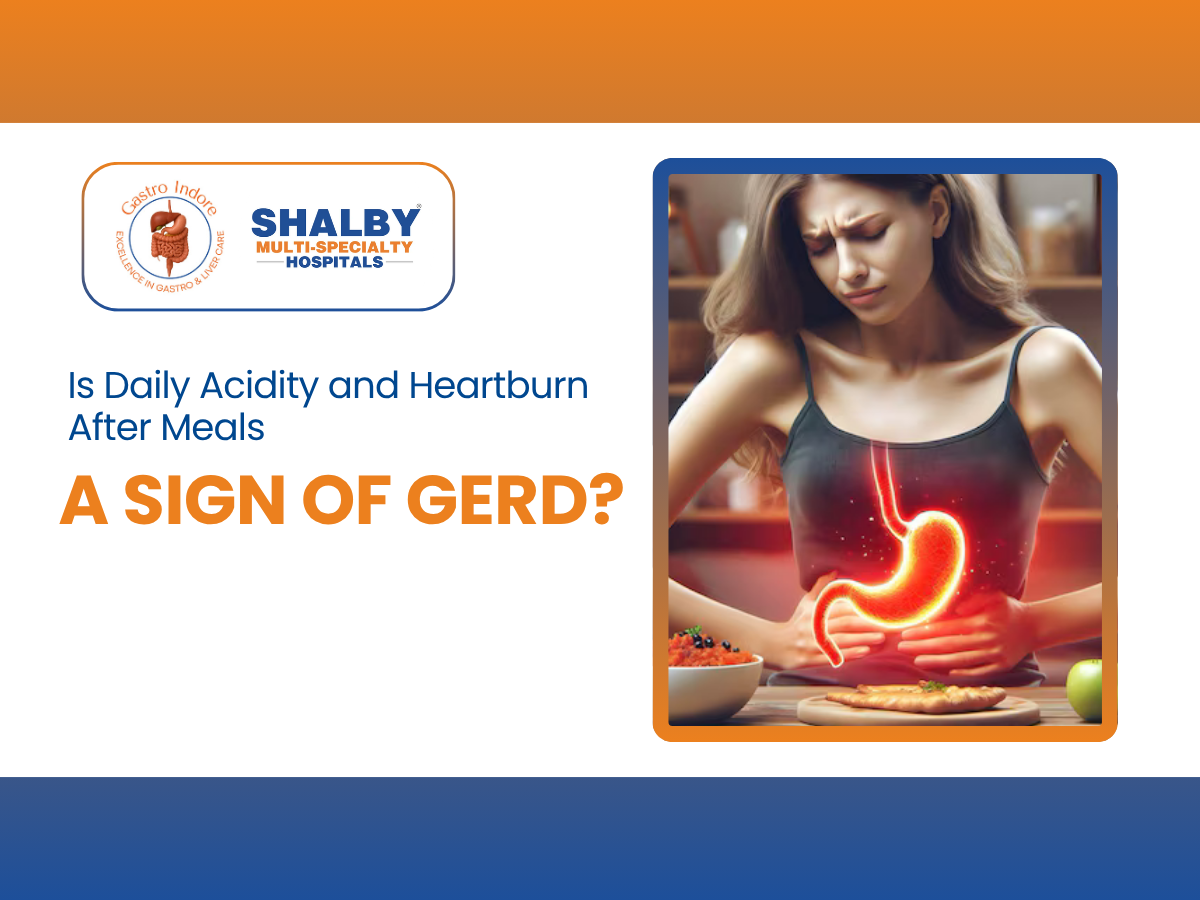


Acid reflux and heartburn are two of the most common digestive complaints people bring up with a gastroenterologist in Indore. That burning sensation behind your chest after a heavy meal, or the sour taste that creeps up your throat at night, is more than just an occasional inconvenience. For many, it is a daily struggle that affects sleep, appetite, and overall quality of life.
The good news is that food choices play a major role in managing this condition. This guide shares practical dietary tips to prevent acid reflux and heartburn, backed by clinical experience from the team at Gastro Indore, one of the leading names in digestive health in the city. Whether you are dealing with occasional heartburn or chronic GERD, small changes to your eating habits can bring lasting relief.
Understanding Acid Reflux and Heartburn
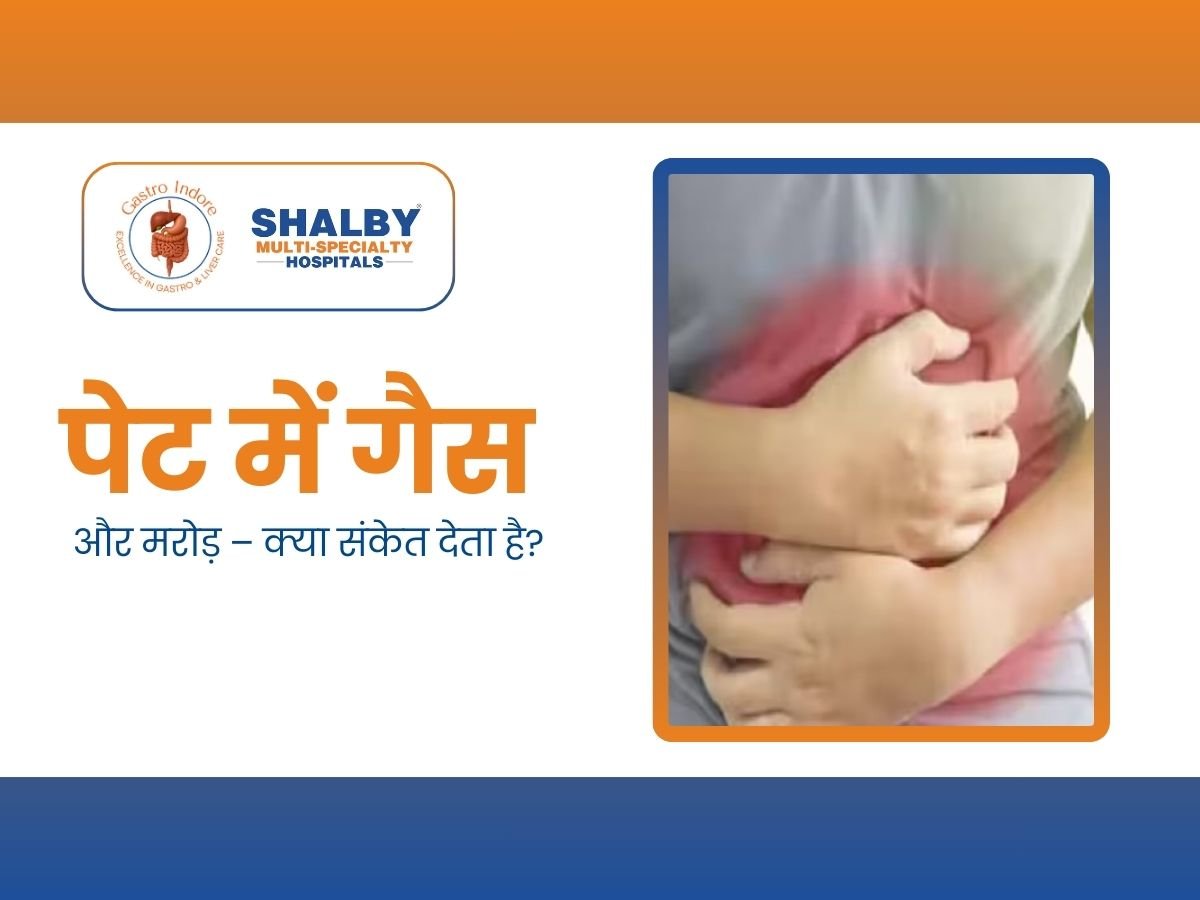
Acid reflux happens when stomach acid flows back into the esophagus, the tube that connects your mouth to your stomach. This backward flow irritates the esophageal lining and causes a burning feeling commonly known as heartburn.
When this happens frequently, more than twice a week, doctors classify it as Gastroesophageal Reflux Disease, or GERD. Left untreated, GERD can lead to complications such as esophagitis, strictures, or Barrett’s esophagus. This is why timely GERD treatment in Indore matters, and why diet is often the first line of defense recommended by any experienced acid reflux specialist in Indore.
According to the Mayo Clinic, acid reflux occurs when stomach acid frequently flows back into the tube connecting the mouth and stomach, irritating the esophageal lining. This confirms why dietary control is central to managing symptoms effectively.
Why Diet Matters So Much in Acid Reflux Management
Food is one of the biggest triggers for acid reflux. What you eat, how much you eat, and when you eat all influence how much acid your stomach produces and how well your digestive system functions.
Many patients visiting our digestive health clinic in Indore are surprised to learn that simple dietary adjustments often reduce symptoms faster than medication alone. This is why our team, recognized among the top gastrologist in Indore, always starts with a detailed diet and lifestyle review before recommending treatment.
Foods to Eat: Building an Acid Reflux Friendly Diet
Certain foods are naturally gentler on the digestive system and help reduce acidity. Including these in your daily meals can make a noticeable difference.
- Oatmeal: A high-fiber breakfast option that absorbs stomach acid and reduces reflux symptoms.
- Bananas: A low-acid fruit that helps coat the stomach lining.
- Melons: Watermelon and muskmelon are alkaline and gentle on digestion.
- Green leafy vegetables: Spinach, fenugreek, and other greens are low in fat and acid.
- Brown rice and whole grains: These provide fiber without irritating the esophagus.
- Skinless chicken and fish: Lean proteins cooked without heavy oil or spice reduce the load on your stomach.
- Ginger: Known for its natural anti-inflammatory properties that soothe the digestive tract.
Adding these foods gradually, rather than making sudden changes, helps your digestive system adjust comfortably.
Foods to Avoid If You Have Acid Reflux
Just as some foods help, others actively worsen symptoms. Identifying and limiting these triggers is a key part of any effective acidity treatment in Indore plan.
- Spicy foods: Chili and heavy masalas increase acid production.
- Fried and fatty foods: These slow digestion and relax the lower esophageal sphincter.
- Citrus fruits: Oranges, lemons, and similar fruits are highly acidic.
- Tomatoes and tomato-based sauces: Common but often overlooked triggers.
- Chocolate: Contains compounds that relax the esophageal sphincter.
- Coffee and caffeinated drinks: Increase stomach acid secretion.
- Carbonated beverages: Trapped gas increases pressure on the stomach.
- Alcohol: Irritates the esophagus and weakens the sphincter muscle.
Keeping a simple food diary for two to three weeks can help you identify your personal triggers, since sensitivity varies from person to person.
Practical Eating Habits That Reduce Reflux
Beyond food choices, how you eat matters just as much as what you eat. These habits are frequently recommended by our gastrologist doctors in Indore to patients managing chronic symptoms.
- Eat smaller, more frequent meals. Large meals stretch the stomach and increase pressure on the lower esophageal sphincter.
- Eat slowly and chew thoroughly. This reduces the amount of air swallowed and supports better digestion.
- Avoid lying down after meals. Wait at least two to three hours before lying down or going to bed.
- Stay upright after eating. A short walk after meals can support digestion and reduce reflux episodes.
- Limit late-night eating. Try to finish dinner at least three hours before bedtime.
- Stay hydrated, but avoid drinking large amounts during meals. Sip water between meals instead.
- Maintain a healthy weight. Excess abdominal fat puts pressure on the stomach and worsens reflux.
Small, consistent changes to your daily routine often produce better long-term results than drastic short-term diets.
The Role of Weight and Lifestyle in Acid Reflux
Weight management deserves special mention because it has one of the strongest links to reflux symptoms. Carrying extra weight around the abdomen increases pressure on the stomach, pushing acid upward more easily.
Along with diet, quitting smoking, managing stress, and avoiding tight clothing around the waist all contribute to fewer reflux episodes. The National Institute of Diabetes and Digestive and Kidney Diseases notes that lifestyle changes are often recommended alongside medication to relieve symptoms of GER and GERD, reinforcing why a combined approach works best.
When Diet Alone Is Not Enough
While dietary changes help most people, some cases of GERD require additional medical support. If you experience heartburn more than twice a week, difficulty swallowing, unexplained weight loss, or persistent vomiting, it is time to consult a specialist.
At Gastro Indore, our team is regarded among the best gastrologist doctors in Indore for accurate diagnosis and personalized treatment plans. We combine dietary counseling with advanced diagnostic tools to identify the root cause of your symptoms, rather than just treating them temporarily.
According to the American College of Gastroenterology, GERD is one of the most common gastrointestinal diagnoses, and untreated reflux can lead to complications affecting quality of life. This highlights why early consultation with a qualified gastroenterologist in Indore is so important.
Sample One-Day Diet Plan for Acid Reflux
Here is a simple example of how these dietary tips to prevent acid reflux and heartburn can come together in a single day.
- Morning: Oatmeal with banana slices and a small glass of water.
- Mid-morning snack: A handful of almonds or a slice of melon.
- Lunch: Brown rice, steamed vegetables, and grilled chicken or fish.
- Evening snack: Herbal tea with plain crackers.
- Dinner: Light vegetable soup with whole-grain bread, eaten at least three hours before bedtime.
This plan is a general guide. Always personalize your diet based on your own trigger foods and medical history.
Why Choose Gastro Indore for Acid Reflux and GERD Care
Finding the right acid reflux specialist in Indore can make all the difference in how quickly and effectively you recover. Gastro Indore is known among patients as one of the top 10 gastrologist in Indore clinics for a reason.
- Experienced doctors with years of hands-on clinical practice in digestive disorders.
- Personalized dietary counseling alongside modern diagnostic and treatment options.
- A patient-first approach that focuses on long-term relief, not just symptom management.
- Advanced facilities that support accurate GERD treatment in Indore from diagnosis to recovery.
Whether you are searching for the best gastrologist in Indore, a top 3 gastrologist in Indore, or simply a trustworthy gastrologist in Indore for a first consultation, our team is here to guide you every step of the way.
Frequently Asked Questions
1. What are the best dietary tips to prevent acid reflux and heartburn?
Eating smaller meals, avoiding trigger foods, and choosing a balanced diet can help prevent acid reflux and heartburn. Eating slowly, staying hydrated, and avoiding late-night meals also support healthy digestion and reduce reflux symptoms.
2. Which foods help reduce acid reflux naturally?
Low-acid, high-fiber foods are generally the best choices for reducing acid reflux. These include oatmeal, bananas, melons, green leafy vegetables, brown rice, skinless chicken, fish, and whole grains.
3. What foods should I avoid if I have acid reflux?
Certain foods can trigger acid reflux and should be limited if they worsen your symptoms. Common trigger foods include spicy foods, fried and fatty foods, chocolate, tomatoes, citrus fruits, coffee, carbonated drinks, and alcohol.
4. Does eating smaller meals help prevent heartburn?
Yes, eating smaller and more frequent meals can reduce pressure on the stomach and lower the risk of acid reflux. Large meals increase the likelihood of stomach acid flowing back into the esophagus.
5. Can drinking water help relieve acid reflux?
Drinking water may help support digestion and reduce mild acid reflux symptoms for some people. However, avoid drinking excessive amounts during meals if it worsens your discomfort.
6. Should I avoid eating before bedtime if I have GERD?
Yes, avoiding meals for at least two to three hours before bedtime can help prevent nighttime acid reflux. Remaining upright after eating also reduces the chance of stomach acid flowing back into the esophagus.
7. Can losing weight improve acid reflux symptoms?
Yes, maintaining a healthy weight can significantly reduce acid reflux and heartburn. Excess abdominal weight increases pressure on the stomach, making reflux episodes more likely.
8. Are dairy products safe for people with acid reflux?
Low-fat dairy products are often better tolerated than full-fat dairy products by people with acid reflux. Since individual tolerance varies, monitor your symptoms and discuss dietary changes with your doctor if needed.
9. Can dietary changes alone treat GERD?
Dietary changes are an important part of GERD management, but some people also need medication or additional treatment. The best treatment depends on the severity of symptoms and the underlying cause of reflux.
10. When should I consult a doctor for acid reflux or heartburn?
Consult a gastroenterologist if you experience heartburn more than twice a week, difficulty swallowing, unexplained weight loss, persistent vomiting, or symptoms that do not improve with lifestyle changes. Early evaluation helps diagnose GERD and prevent complications.
Take the Next Step Toward Lasting Digestive Relief
Managing acid reflux and heartburn does not have to be a lifelong struggle. With the right dietary tips to prevent acid reflux and heartburn and expert medical guidance, you can enjoy your meals again without fear of discomfort.
If heartburn is affecting your daily life, do not wait for it to get worse. Book a consultation with Gastro Indore today and get personalized care from a trusted gastroenterologist in Indore who understands your needs. Call us now or visit our clinic to start your journey toward better digestive health.