

End-Stage Liver Disease (ESLD) is one of the most serious and life-threatening conditions a patient can face. It occurs when the liver has suffered so much damage that it can no longer perform its essential functions. At Gastro Indore, our experienced liver disease specialists in Indore understand that early recognition and expert care can make a life-changing difference for patients and their families.
The liver carries out over 500 vital functions daily, from filtering toxins to producing proteins for blood clotting. When chronic liver disease treatment in Indore is delayed, the damage accumulates silently over years, often showing no clear symptoms until the organ is severely compromised.
This guide covers everything patients need to know about End-Stage Liver Disease, including how it develops, what symptoms to watch for, how it is staged, and what treatment options are available at the best liver hospital in Indore.
What Is End-Stage Liver Disease and How Does It Develop?
End-Stage Liver Disease is the final stage of progressive liver damage, most commonly resulting from liver cirrhosis. Cirrhosis occurs when healthy liver tissue is gradually replaced by scar tissue, making it impossible for the organ to function properly.
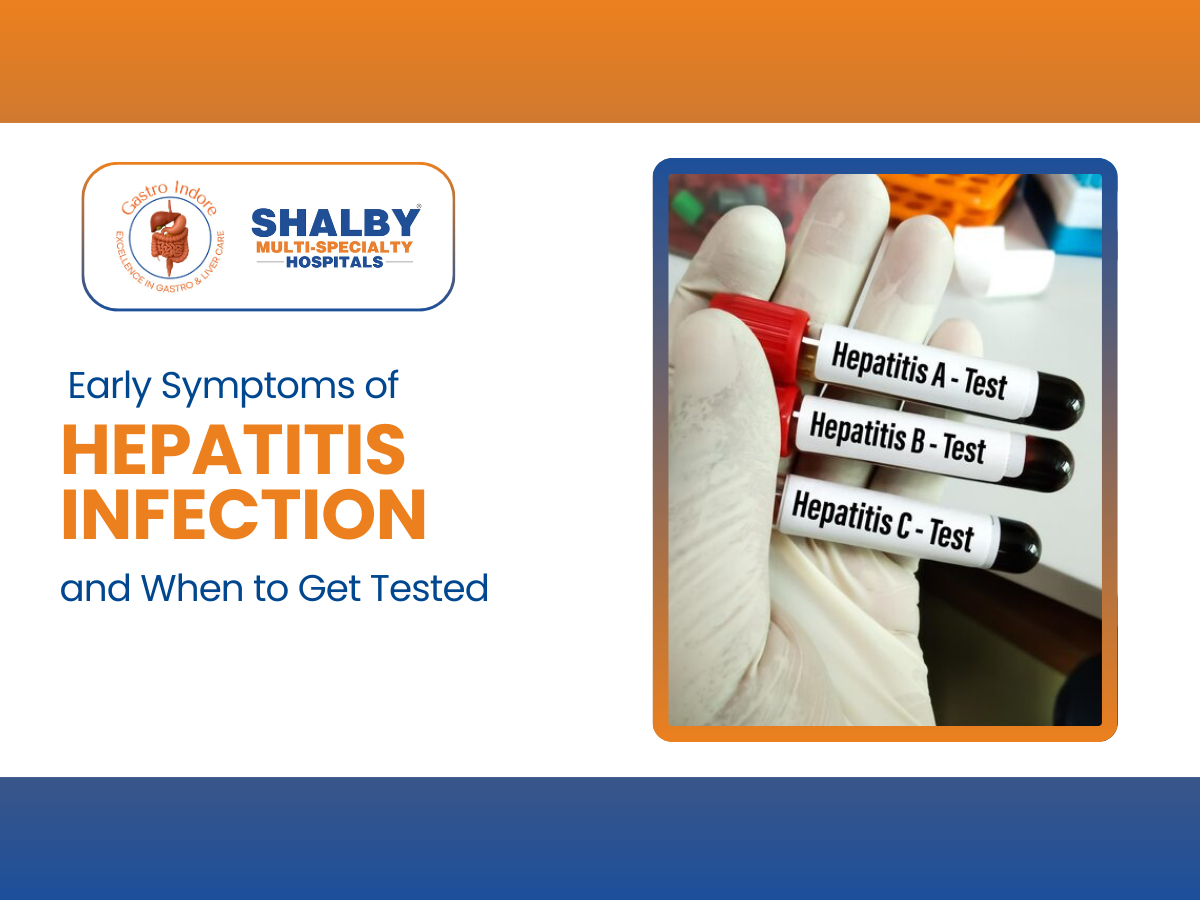
The most common causes leading to ESLD include chronic hepatitis B and C infection, long-term alcohol-related liver damage, non-alcoholic fatty liver disease (NAFLD), and autoimmune liver conditions. A hepatologist in Indore evaluates these root causes before planning treatment.
Once the liver reaches this stage, the damage is largely irreversible. This is why early consultation with a liver disease specialist in Indore at the first signs of liver trouble is so critical.
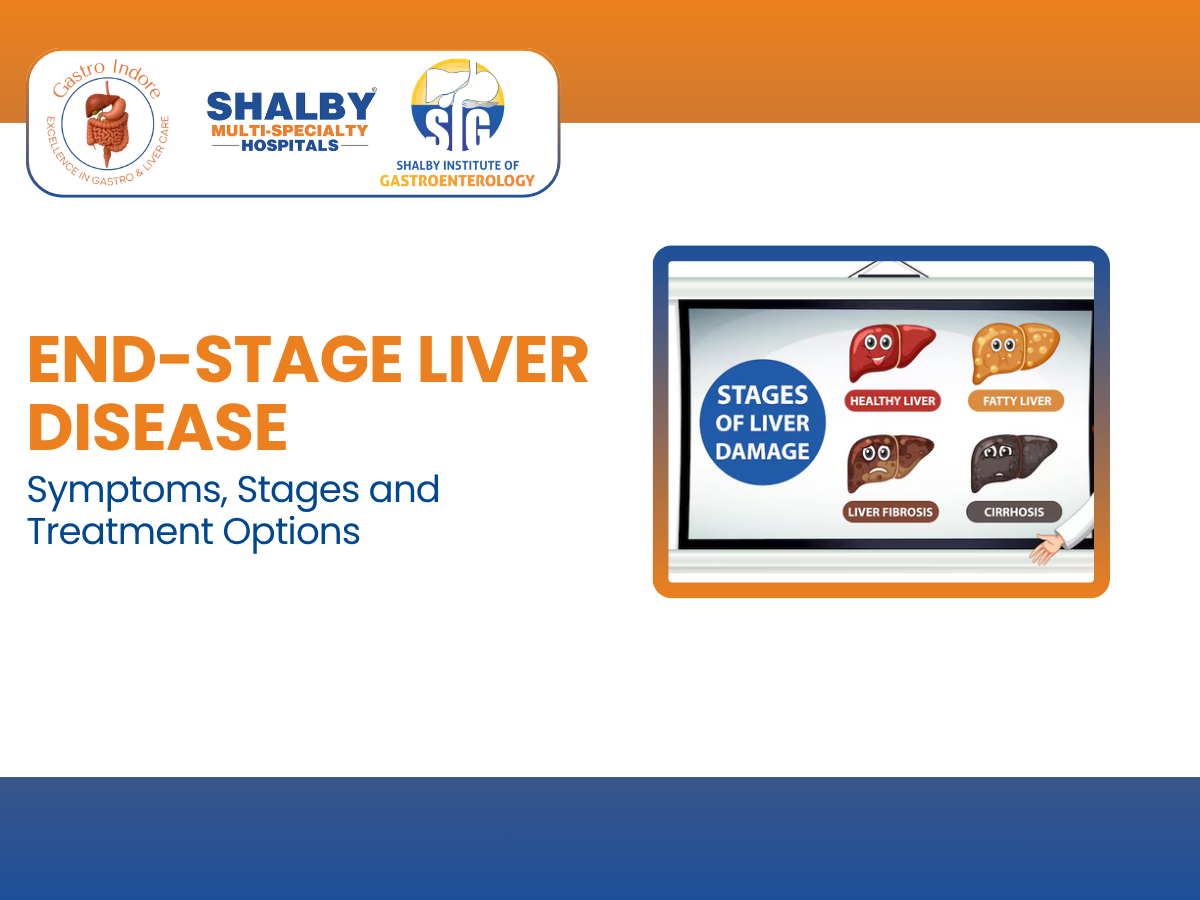
Stages of Liver Disease Leading to End-Stage Liver Disease
Understanding the progression helps patients and caregivers recognize when to act. Liver disease moves through these key stages:
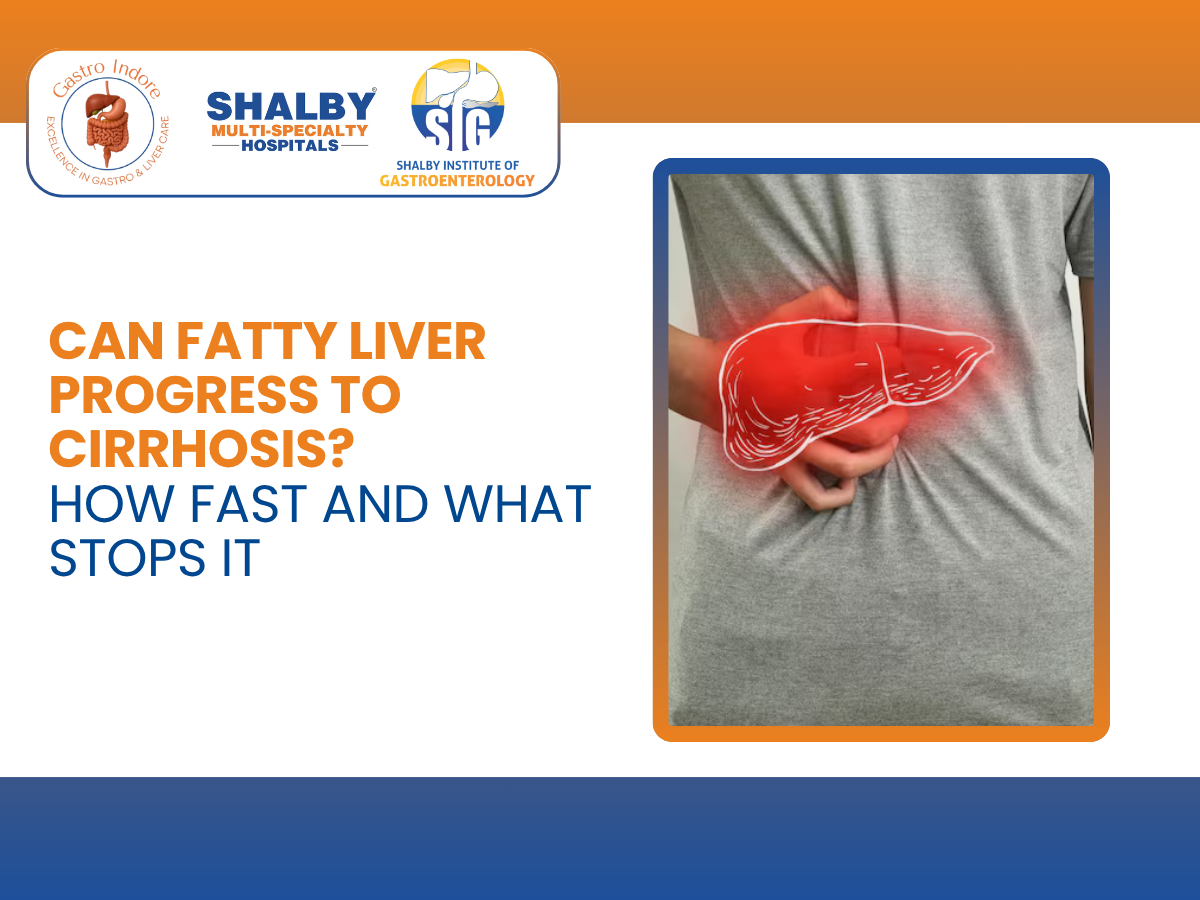
• Stage 1: Fatty Liver (Steatosis): Fat builds up in liver cells. This stage is usually reversible with lifestyle changes and proper medical guidance from a liver specialist.
• Stage 2: Liver Inflammation (Hepatitis): The liver becomes inflamed due to infection, alcohol, or autoimmune conditions. Persistent inflammation begins to damage liver cells.
• Stage 3: Fibrosis (Early Scarring): Scar tissue starts replacing healthy liver tissue. The liver can still function but requires prompt advanced liver disease treatment to stop progression.
• Stage 4: Cirrhosis (Advanced Scarring): Extensive scarring severely impairs liver function. This stage carries serious risks including internal bleeding, jaundice, and fluid buildup.
• Stage 5: End-Stage Liver Disease (ESLD): The liver can no longer sustain essential body functions. At this stage, liver failure treatment in Indore or a liver transplant Surgery in Indore becomes the only remaining option.
Symptoms of End-Stage Liver Disease You Should Not Ignore
End-Stage Liver Disease presents with a range of serious symptoms that require immediate medical attention. Patients visiting our best liver hospital in Indore commonly report the following:
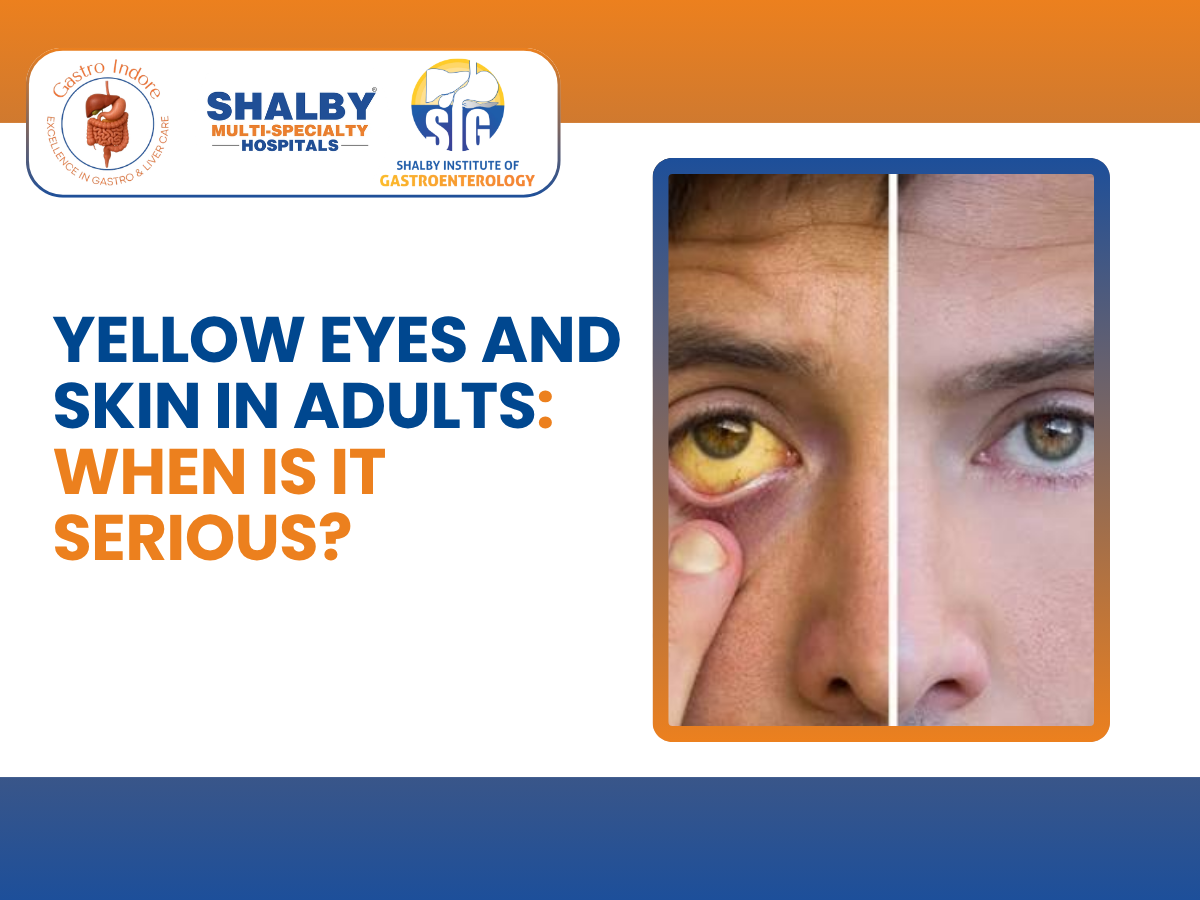
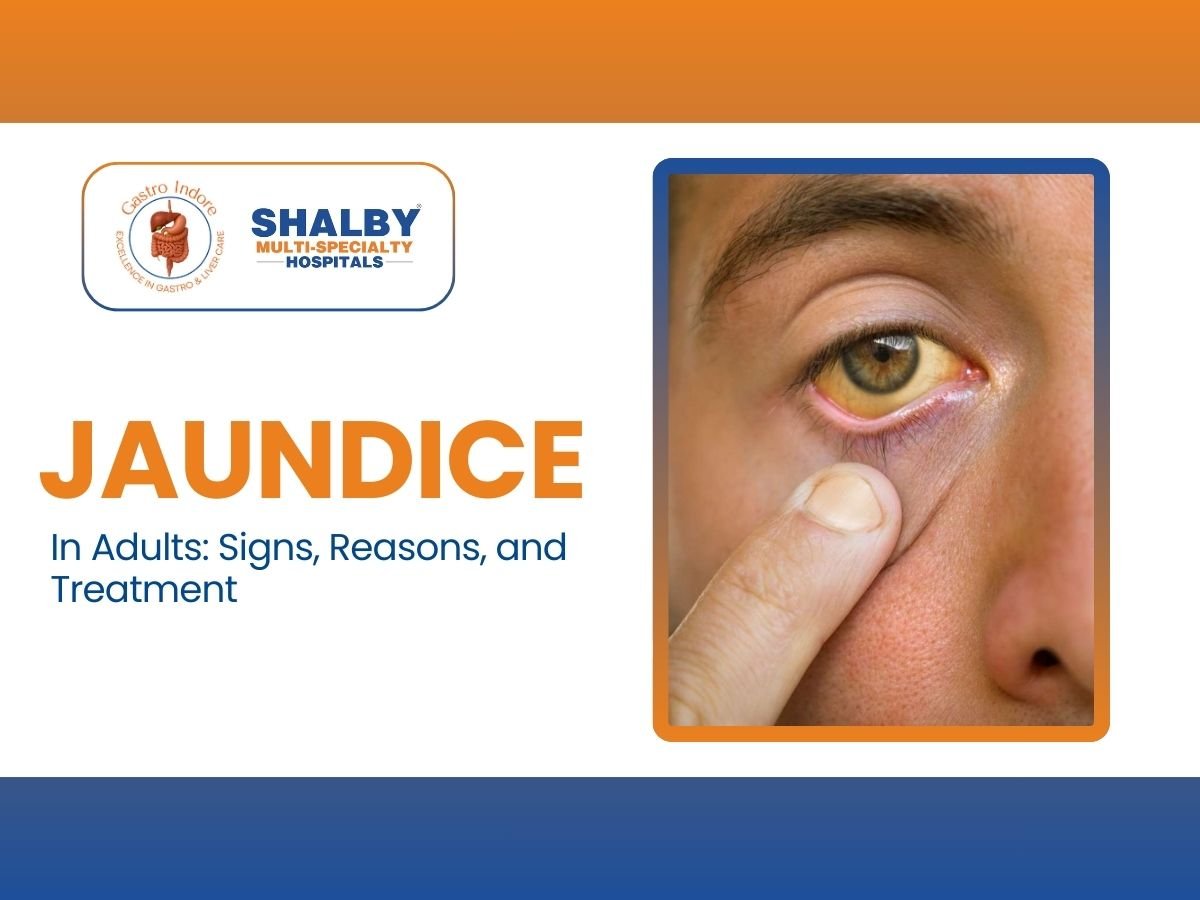
• Jaundice: yellowing of the skin and whites of the eyes caused by bilirubin buildup
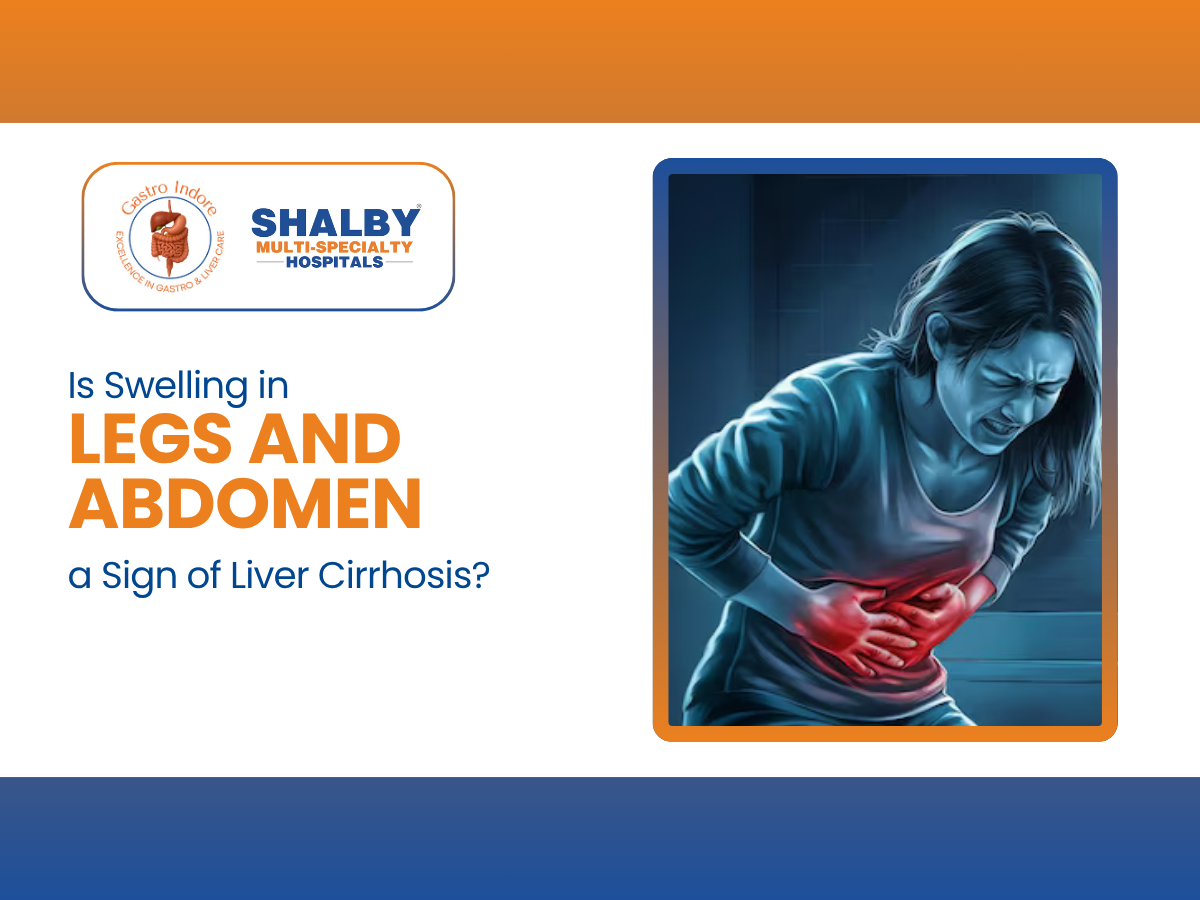
• Ascites: severe fluid accumulation in the abdomen causing painful swelling
• Hepatic Encephalopathy: confusion, memory loss, and personality changes due to toxin buildup in the brain
• Variceal Bleeding: vomiting blood or passing black tarry stools from ruptured blood vessels
• Extreme Fatigue: persistent weakness and inability to carry out daily activities
• Kidney Dysfunction: reduced urine output and swelling in legs, a sign the liver disease is affecting other organs
• Severe Itching: caused by bile salt accumulation under the skin
• Easy Bruising and Bleeding: due to reduced production of clotting proteins by the damaged liver
If you or someone you know is experiencing these symptoms, please consult a best gastroenterologist in Indore without delay.
How Is End-Stage Liver Disease Diagnosed?
Accurate diagnosis is the foundation of effective liver disease treatment in Indore. At Gastro Indore, our hepatologist in Indore uses a combination of tests to assess the severity of liver damage:
• Liver Function Tests (LFT) to measure enzyme levels and protein production
• Ultrasound and CT scan imaging to assess liver size, texture, and complications
• FibroScan (Transient Elastography) to measure the degree of liver stiffness and scarring
• MELD Score (Model for End-Stage Liver Disease) to determine the severity and prioritize transplant eligibility
• Liver biopsy in selected cases to confirm the extent of fibrosis
• Endoscopy to check for varices in the food pipe and stomach
According to the World Health Organization (who.int), timely and accurate diagnosis of liver conditions is one of the most important factors in reducing liver disease mortality globally.
Treatment Options for End-Stage Liver Disease in Indore
While End-Stage Liver Disease cannot be reversed, a range of liver failure treatment in Indore options can significantly improve quality of life and extend survival.
1. Medical Management
Our team provides ongoing chronic liver disease treatment in Indore including diuretics for ascites management, lactulose and rifaximin for hepatic encephalopathy, beta-blockers to prevent variceal bleeding, and antiviral therapy for hepatitis-related cirrhosis.
2. Nutritional Support
Patients with ESLD often suffer from malnutrition. Our specialist team designs targeted nutrition plans to maintain muscle mass, support liver function, and reduce complications.
3. Endoscopic Procedures
Endoscopic band ligation is performed to treat and prevent bleeding from esophageal varices, one of the most dangerous complications of advanced liver disease.
4. Liver Transplant Consultation in Indore
For eligible patients, a liver transplant consultation in Indore is the only curative treatment. At Gastro Indore, we conduct complete transplant evaluations including MELD scoring, donor matching, and pre-transplant preparation. The National Institute of Diabetes and Digestive and Kidney Diseases (niddk.nih.gov) confirms that liver transplant significantly improves survival in patients with ESLD when performed at an experienced centre.
Why Choose Gastro Indore for End-Stage Liver Disease Treatment?
Gastro Indore is recognized as the best liver hospital in Indore for patients with complex liver conditions. Our multidisciplinary team includes a dedicated hepatologist in Indore, gastroenterologists, transplant surgeons, nutritionists, and intensivists working together.
• Three experienced liver disease specialists in Indore under one roof
• Advanced diagnostic tools including FibroScan and endoscopy
• Personalized liver cirrhosis treatment in Indore at every stage
• Complete liver transplant consultation in Indore with pre and post-transplant monitoring
• Transparent pricing, insurance support, and compassionate patient care
Related Resources from Gastro Indore
To learn more about conditions related to End-Stage Liver Disease, explore these detailed guides from our specialists:
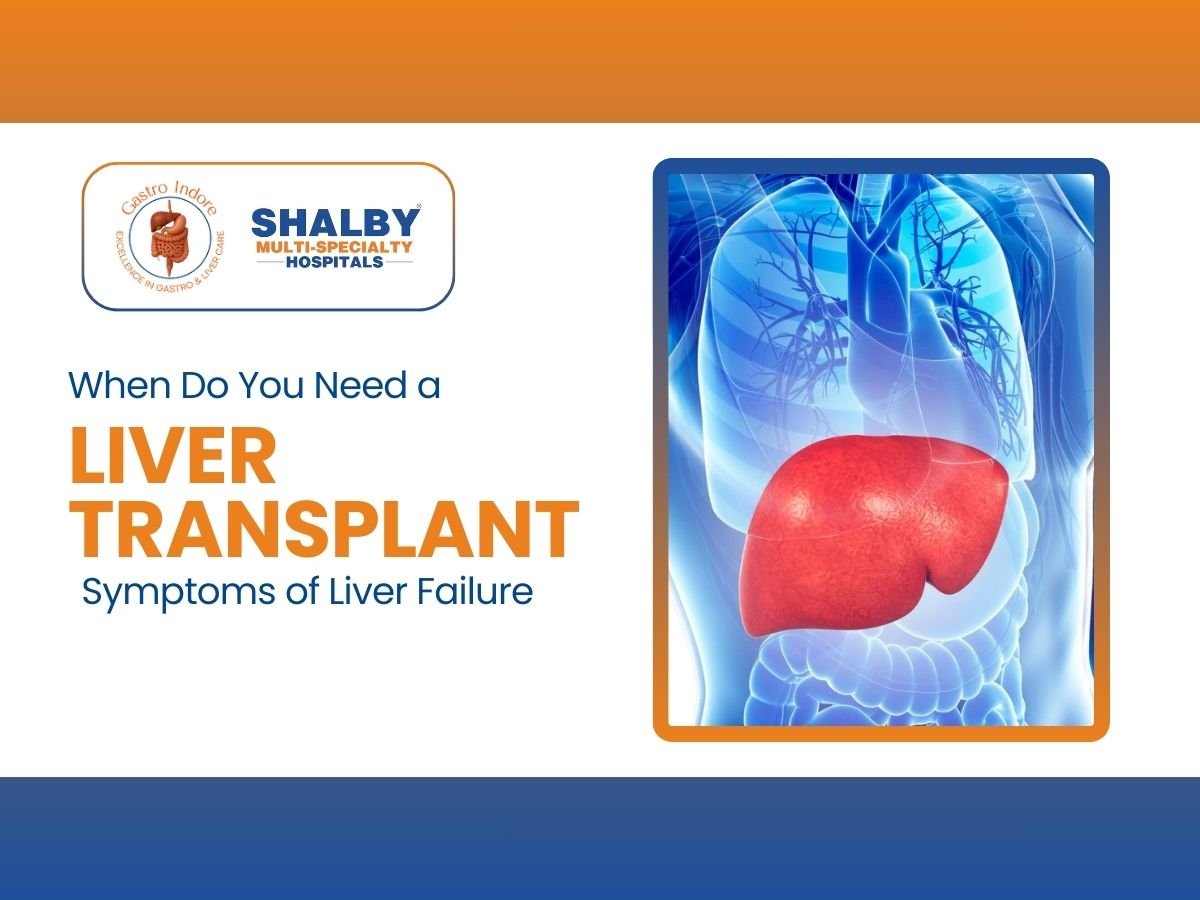
• When do you need a liver transplant? Symptoms of liver failure
• Life after liver transplant: Diet, care and recovery tips
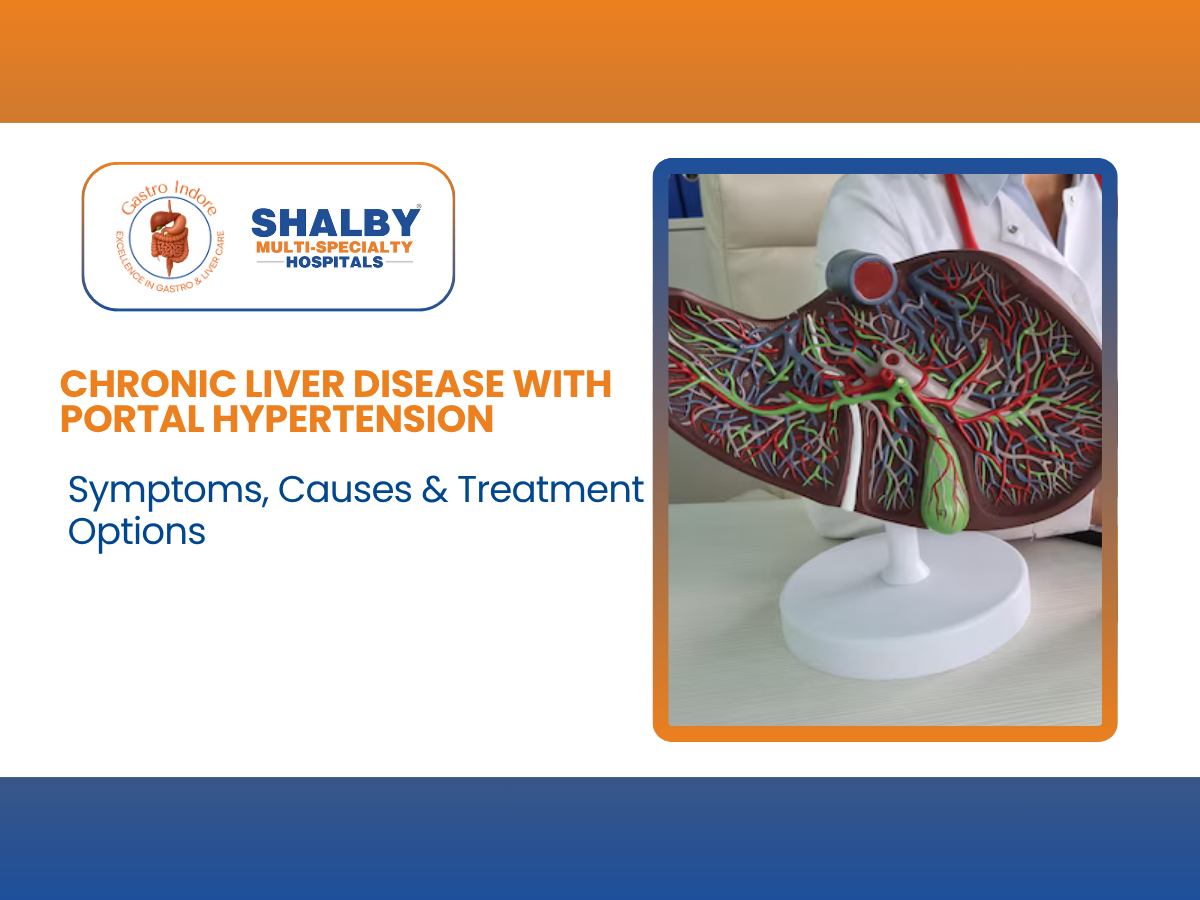
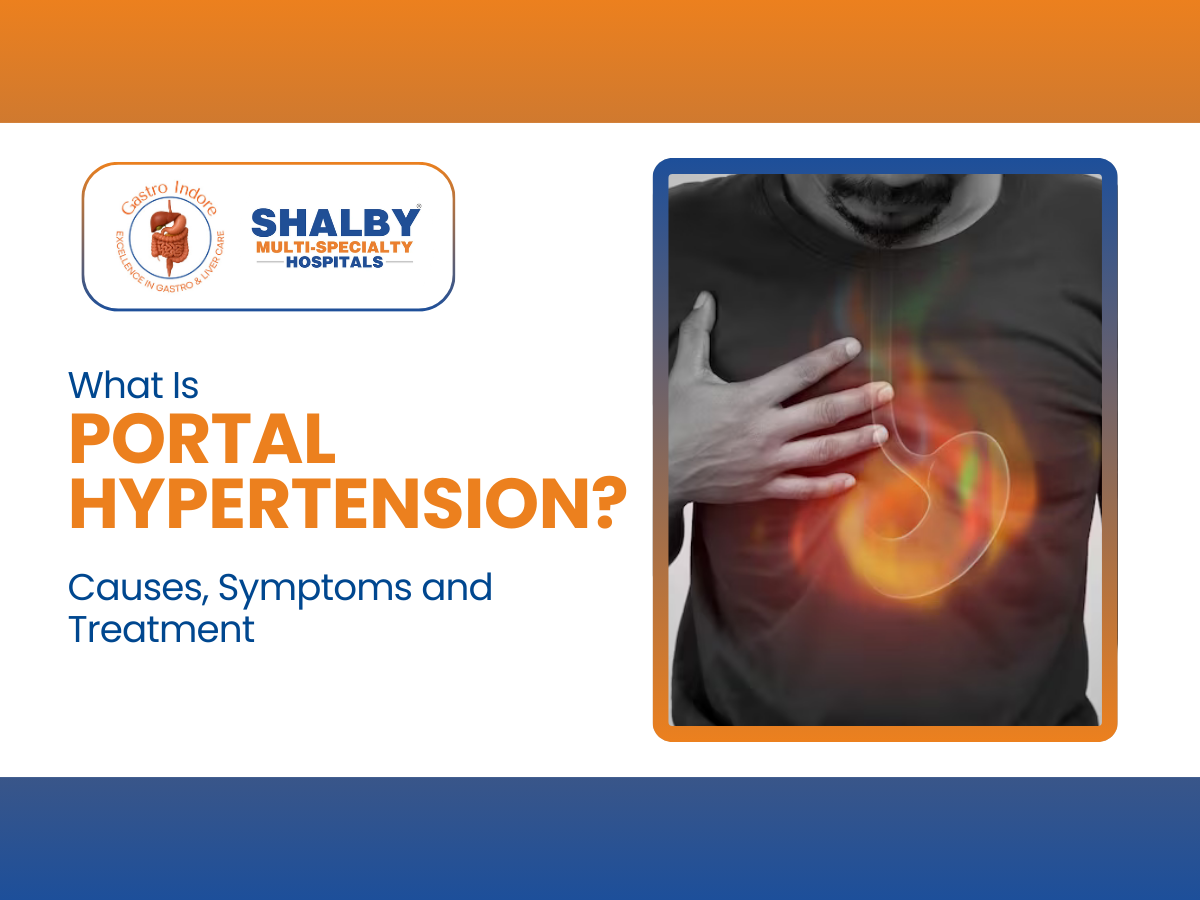
• Chronic liver disease with portal hypertension
FAQs About End-Stage Liver Disease
Q1. Can End-Stage Liver Disease be cured?
End-Stage Liver Disease cannot be reversed, but its symptoms and complications can be managed effectively with advanced liver disease treatment in Indore. The only curative option is a liver transplant, which replaces the damaged organ with a healthy donor liver. Our team at Gastro Indore provides complete liver transplant consultation in Indore for eligible patients.
Q2. How long can a person live with End-Stage Liver Disease?
Survival depends on the MELD score and whether complications are managed promptly. Without a transplant, patients with decompensated cirrhosis have a median survival of 1 to 3 years. With early intervention from a liver disease specialist in Indore and timely transplantation, many patients go on to live a full and active life.
Q3. What is the MELD score and why does it matter?
The MELD (Model for End-Stage Liver Disease) score is a numerical scale used by doctors to measure the severity of End-Stage Liver Disease. It is calculated using blood test results including bilirubin, creatinine, and INR. A higher MELD score means more severe disease and greater urgency for transplant. Our hepatologist in Indore uses this score to guide treatment planning.
Q4. What is the difference between compensated and decompensated cirrhosis?
In compensated cirrhosis, the liver is scarred but still functioning well enough to prevent major symptoms. Decompensated cirrhosis occurs when the liver can no longer compensate, leading to jaundice, ascites, and internal bleeding. End-Stage Liver Disease typically refers to decompensated cirrhosis requiring intensive liver failure treatment in Indore.
Q5. How do I know if I need a liver transplant consultation in Indore?
You should seek a liver transplant consultation in Indore if you have been diagnosed with advanced cirrhosis, have a high MELD score, experience repeated hospitalizations for complications, or your liver disease is no longer responding to medical treatment. The team at Gastro Indore will assess your eligibility and guide you through every step of the process.
Book Your Liver Consultation at Gastro Indore Today
End-Stage Liver Disease requires urgent, expert care. Do not wait for symptoms to worsen. At Gastro Indore, our liver disease specialists in Indore near me provide accurate diagnosis, complete liver cirrhosis treatment in Indore, and liver transplant consultation in Indore all under one roof.
Whether you are looking for the best gastroenterologist in Indore for a second opinion or need immediate evaluation for liver failure, we are here to help.
Book your appointment now and take the first step toward better liver health.