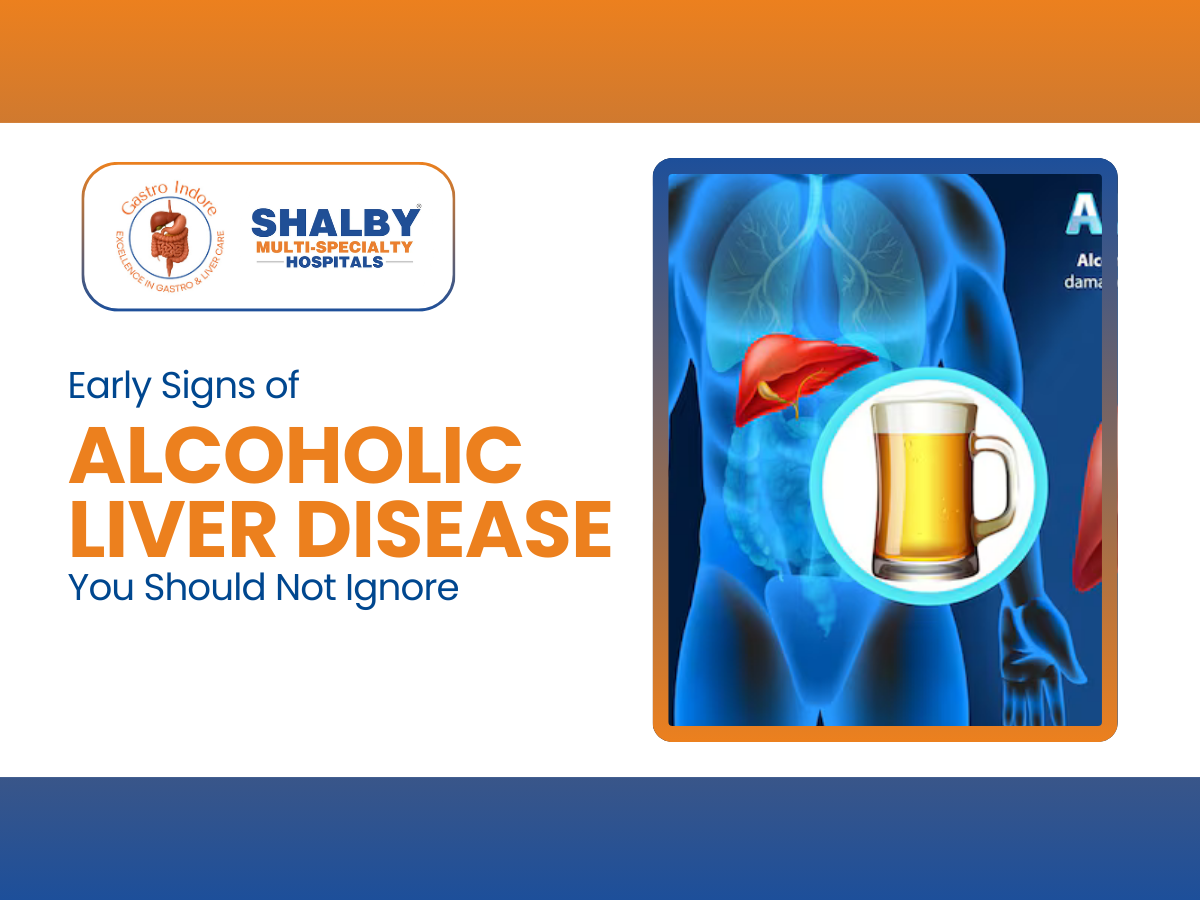


Most people in Indore who drink socially believe they are within a “safe” limit. But alcoholic liver disease (ALD) does not always begin with heavy binge drinking it can develop silently over years of what feels like moderate consumption. The liver gives no pain signals until damage is already significant. Understanding the earliest signs of liver problems is often the only way to catch this condition before it progresses.
What is alcoholic liver disease?
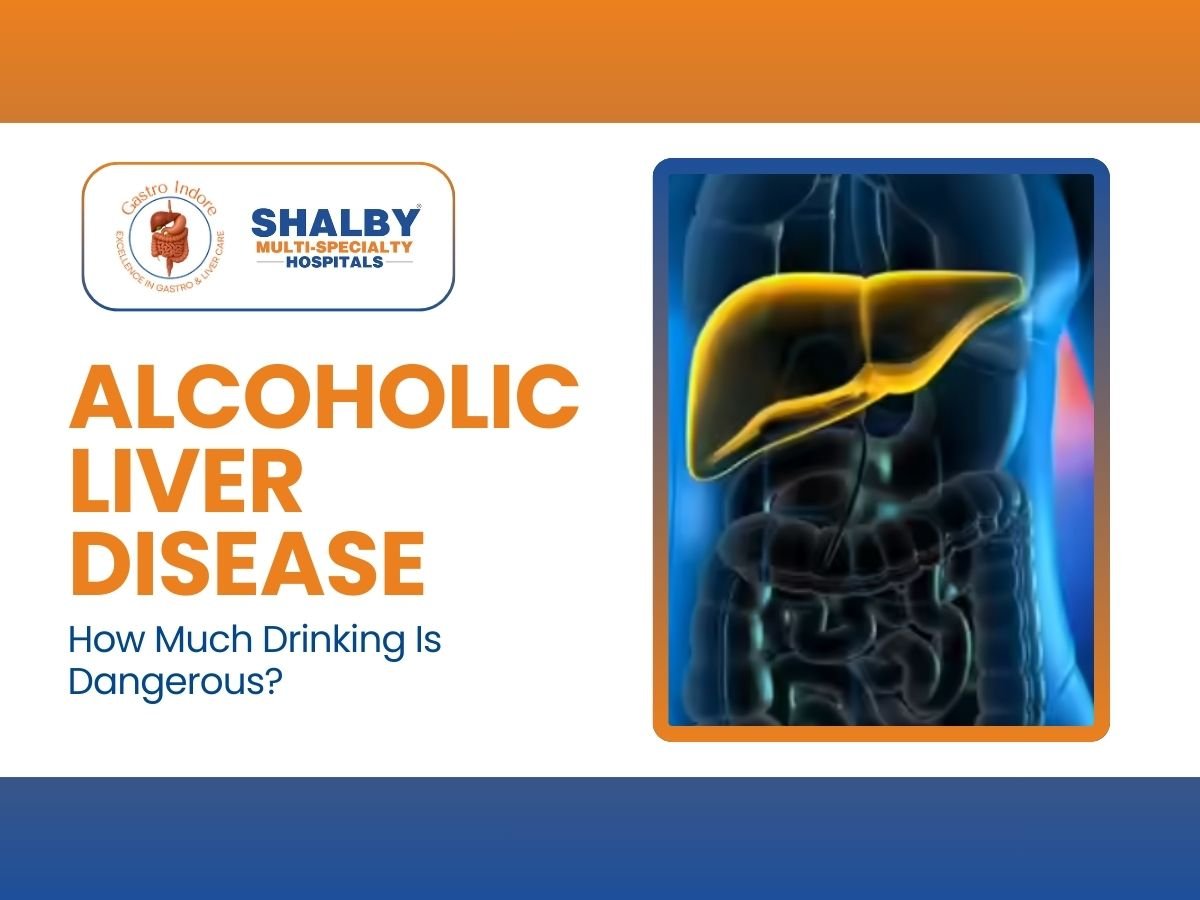
When you consume alcohol, your liver breaks it down using enzymes. This process produces acetaldehyde a toxic compound that injures liver cells directly. The liver can handle small amounts, but when alcohol intake is chronic, the organ becomes overwhelmed. Fat begins to accumulate, inflammation sets in, and over time, healthy liver tissue is replaced by scar tissue. It is important to understand how liver disease differs from liver failure they are not the same condition, and each requires a different approach.
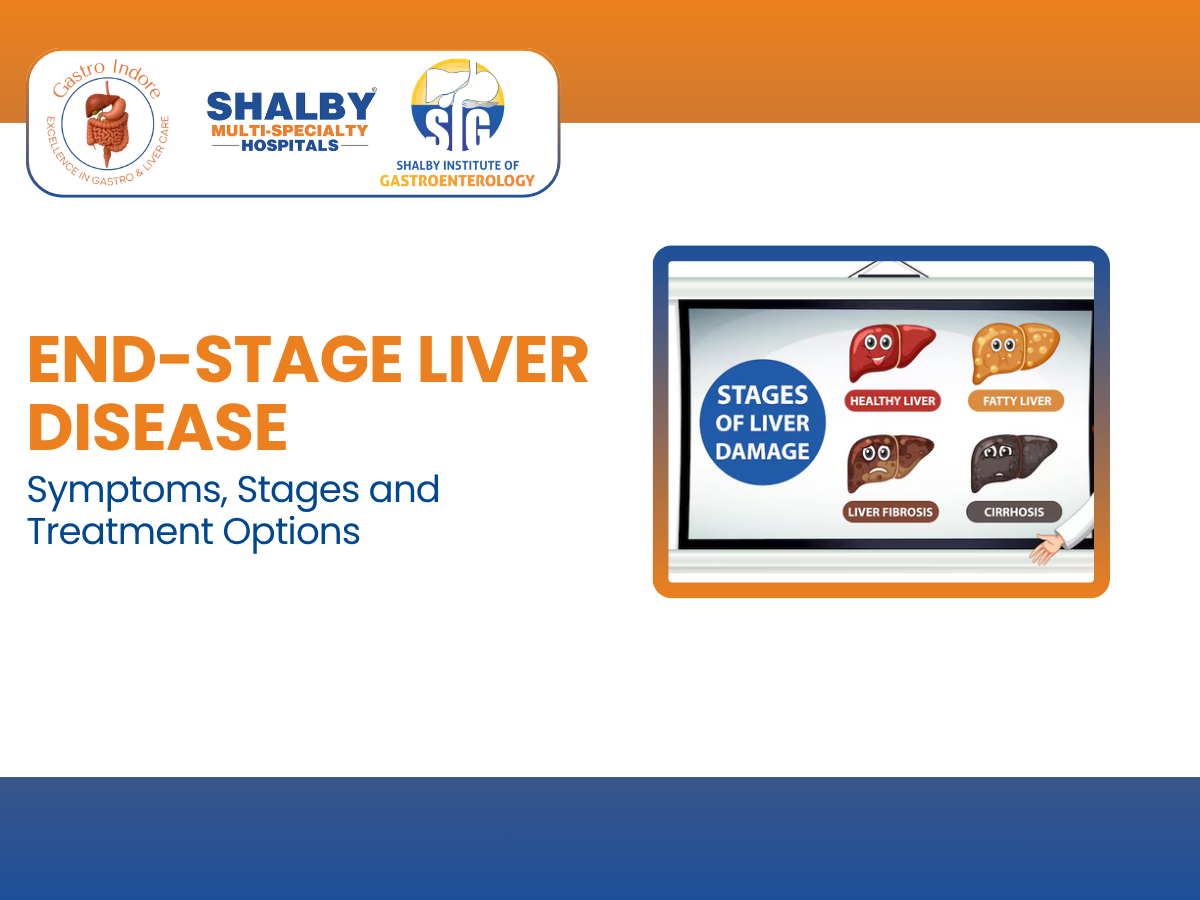
1 . Fatty liver (steatosis)
- Fat builds up inside liver cells develops in up to 90% of heavy drinkers
- Usually has no symptoms; often found accidentally on ultrasound
- Completely reversible with 4–6 weeks of alcohol abstinence
Alcohol is not the only cause of fatty liver. Learn how non-alcoholic fatty liver disease (NAFLD) compares and why the risks of leaving either untreated are the same.
2 . Alcoholic hepatitis Partially
- Active inflammation of liver cells can be mild or life-threatening
- Symptoms: jaundice, fever, right-side abdominal pain, nausea
- Severe alcoholic hepatitis carries a 30-day mortality rate of up to 30-40%
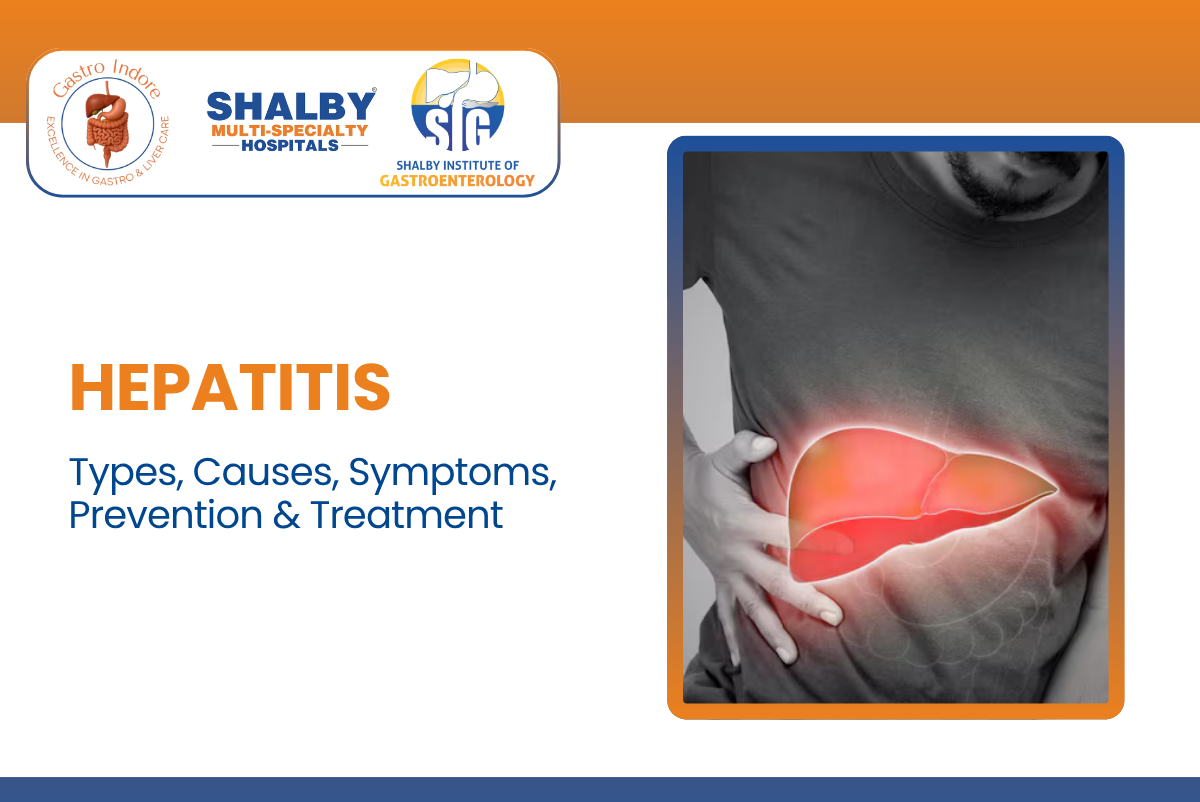
Hepatitis has multiple causes beyond alcohol. See our guide on hepatitis types, causes, symptoms and prevention to understand the full picture.
3 . Cirrhosis
- Permanent scarring functional liver tissue replaced by fibrous bands
- Can lead to portal hypertension, variceal bleeding, and ascites
- Liver transplant may be the only definitive treatment at this stage
Cirrhosis frequently leads to portal hypertension, a serious complication that affects blood flow through the liver and digestive system. In advanced cases, patients need to understand who needs a liver transplant and when to start the evaluation process.
Exactly how much alcohol damages the liver?
Alcohol is measured in “standard drinks.” In India, one standard drink contains approximately 10–14g of pure alcohol. Here is what is considered dangerous based on international hepatology guidelines:
| Drink type | Volume = 1 standard drink | Dangerous level (daily) |
| Beer (5%) | 330 ml (1 can) | Men: >4 cans / Women: >2 cans |
| Wine (12%) | 150 ml (1 glass) | Men: >4 glasses / Women: >2 glasses |
| Whisky/Rum (40%) | 45 ml (1 peg) | Men: >4 pegs / Women: >2 pegs |
| Country liquor (desi sharab) | Variable often stronger | Even 1–2 drinks daily poses significant risk |
For people with diabetes, obesity, or existing fatty liver, even lower amounts can cause liver damage. If you are unsure whether your liver is being silently damaged, read: is your liver quietly getting damaged?
Who is at higher risk in Indore?
Certain factors make liver damage from alcohol much more likely. If you or someone you know has any of the following, the risk is substantially higher even at moderate drinking levels:
Female sex
Women develop ALD at lower alcohol doses due to lower body water and enzyme differences
Family history
Genetic variants affect how efficiently alcohol is metabolized
Hepatitis B or C
Co-existing viral hepatitis dramatically accelerates liver scarring
Poor nutrition
Zinc, folate, and B-vitamin deficiency common in daily drinkers worsen liver injury
Obesity / fatty liver
Existing NAFLD combined with alcohol is a particularly dangerous combination
Duration of drinking
More than 5 years of daily drinking significantly increases cirrhosis risk
Warning signs you must not ignore
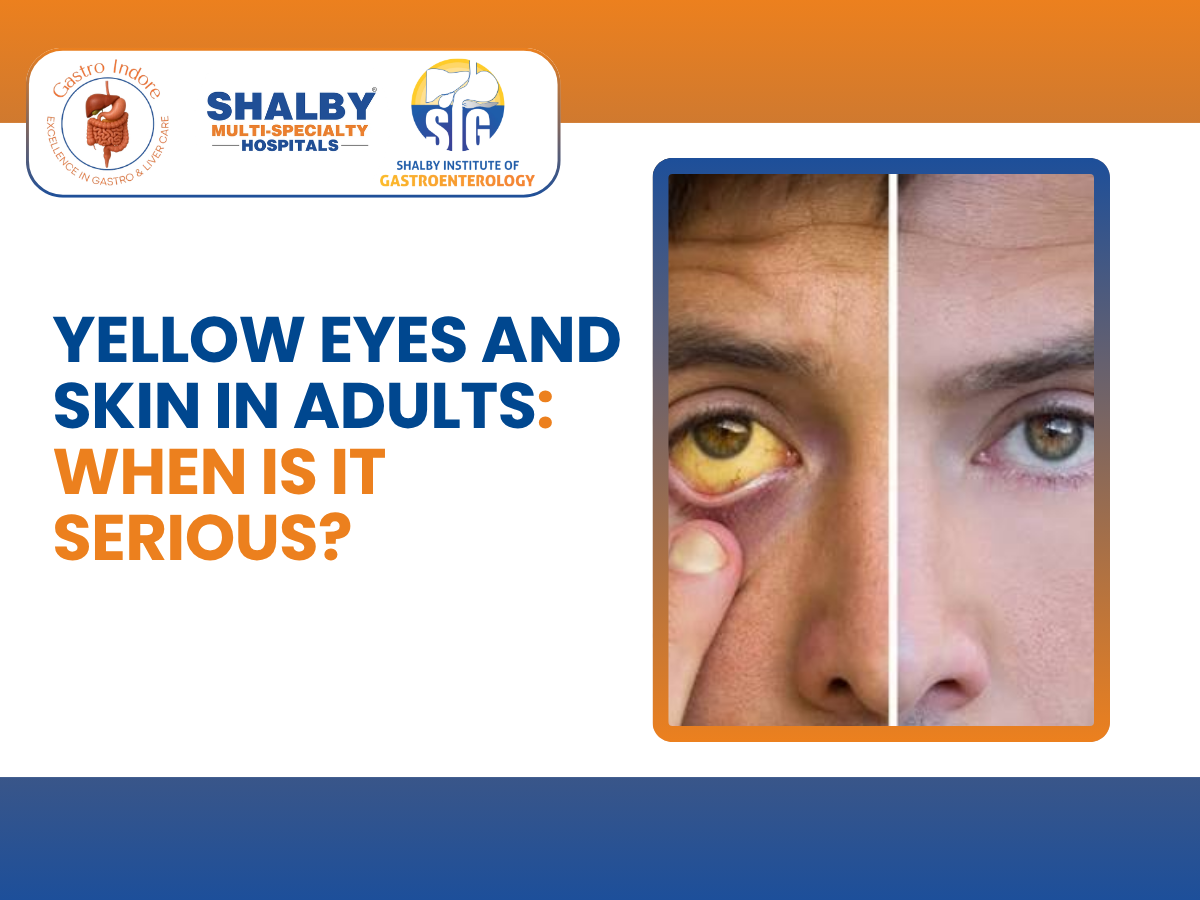
- Yellowing of the whites of your eyes or skin , see our detailed guide on jaundice in adults: signs, reasons and treatment
- Swelling in the abdomen , this may indicate a sign of liver cirrhosis that needs urgent evaluation
- Abdominal bloating that does not go away , not always gas; learn when stomach bloating is something more serious
- Vomiting blood or black tarry stools, a life-threatening emergency; do not delay
- Confusion or personality changes ,hepatic encephalopathy; toxins build up when the liver cannot clear them
What recovery looks like after stopping alcohol
Recovery is highly stage-dependent. Here is a realistic timeline based on what Dr. Ajay Jain sees in clinical practice in Indore:
- Fatty liver: Liver enzymes normalize within 4–8 weeks of complete abstinence
- Mild alcoholic hepatitis: Significant improvement in 3–6 months with abstinence, nutrition, and medication
- Severe alcoholic hepatitis: Requires hospitalization; steroids or pentoxifylline may be used; prognosis depends on response at day 7
- Compensated cirrhosis: No cure, but further damage is prevented with abstinence; patients can live for years with proper monitoring
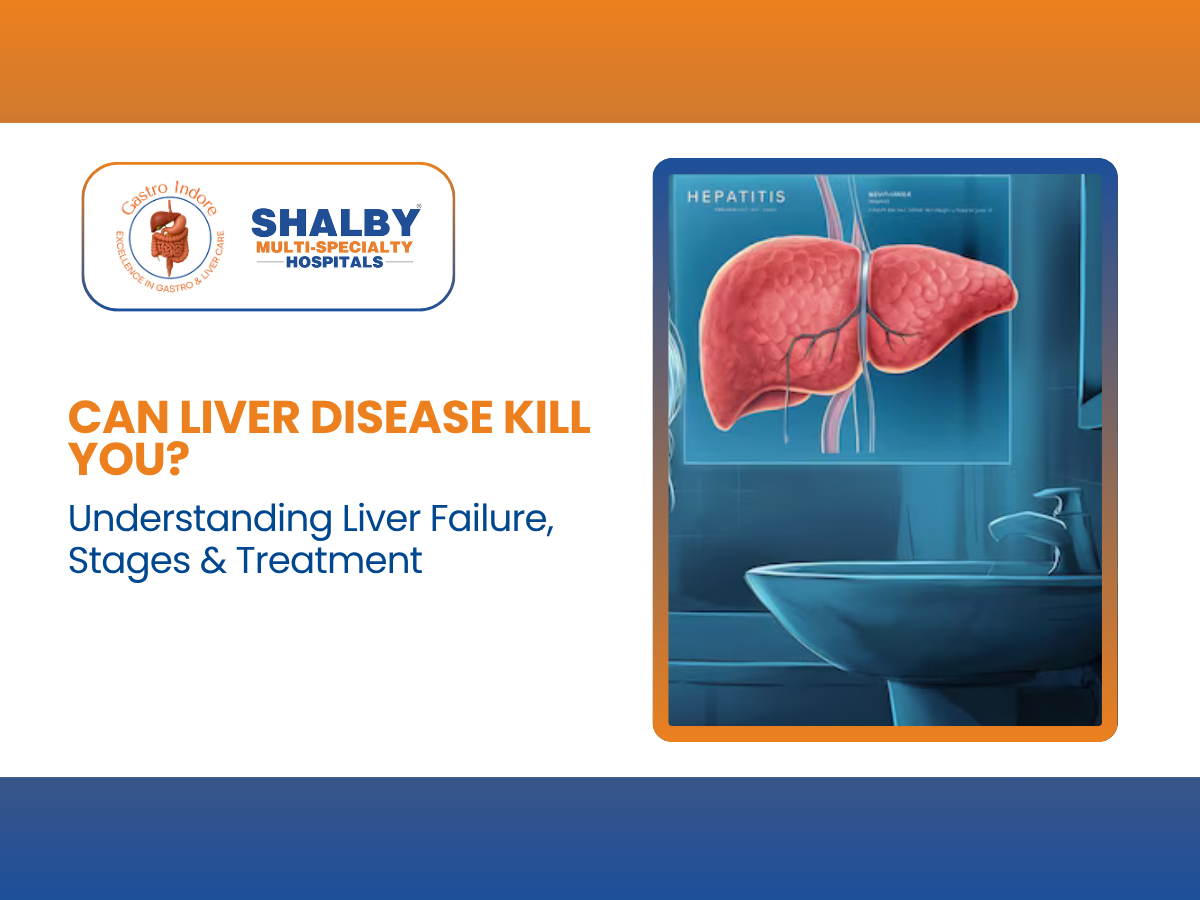
- Decompensated cirrhosis: Liver transplant evaluation is necessary. Read about when you need a liver transplant and what the symptoms of liver failure look like.
Want to understand the difference between advanced liver disease and complete liver failure? Read: what is end-stage liver disease and what it means for treatment options.
FAQs About Alcoholic Liver Disease
1. Can I drink occasionally if my liver function tests are normal?
Even with normal liver function tests, regular alcohol consumption can still damage the liver over time. Limiting alcohol intake helps maintain better liver health.
2. How is alcoholic hepatitis different from viral hepatitis?
Alcoholic hepatitis is caused by excessive alcohol use, while viral hepatitis is caused by infections like Hepatitis A, B, or C viruses affecting the liver.
3. Is liver transplant available in Indore for alcoholic cirrhosis?
Yes, liver transplant treatment for alcoholic cirrhosis is available in Indore at advanced liver care and multi-speciality hospitals.
4. What diet helps liver recovery after stopping alcohol?
A healthy liver recovery diet includes fruits, vegetables, lean protein, whole grains, and proper hydration while avoiding oily and processed foods.
5. How long does it take for cirrhosis to develop from daily drinking?
Cirrhosis can develop after several years of heavy daily alcohol consumption, depending on lifestyle, liver health, and overall medical condition.
If you or a family member drink regularly and have never had a liver evaluation, an ultrasound and basic liver function tests are the right starting point. Book a liver evaluation in Indore