

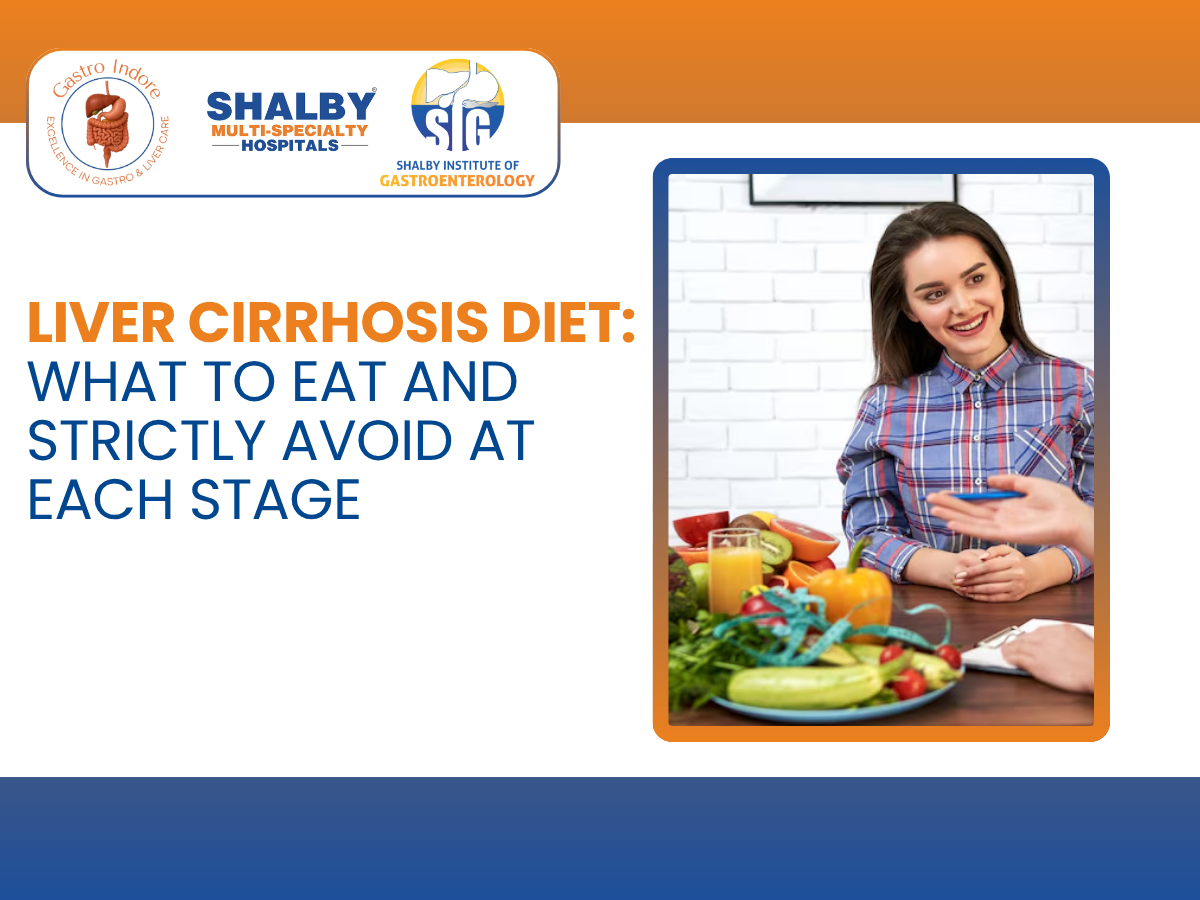
If you or a loved one has been diagnosed with liver cirrhosis, one of the first questions a doctor will address is diet. The liver cirrhosis diet is not a one-size-fits-all plan. What you eat and what you strictly avoid changes depending on how advanced the disease is, your weight, and whether complications like fluid build-up or confusion have developed.
This guide from Gastro Indore breaks down the best diet for liver cirrhosis at every stage, with a practical liver cirrhosis food list and clear guidance on foods to eliminate. Whether you are managing early-stage cirrhosis or dealing with complications, this page will help you understand how the right food choices can slow disease progression and protect your quality of life.
What Is Liver Cirrhosis and Why Does Diet Matter?
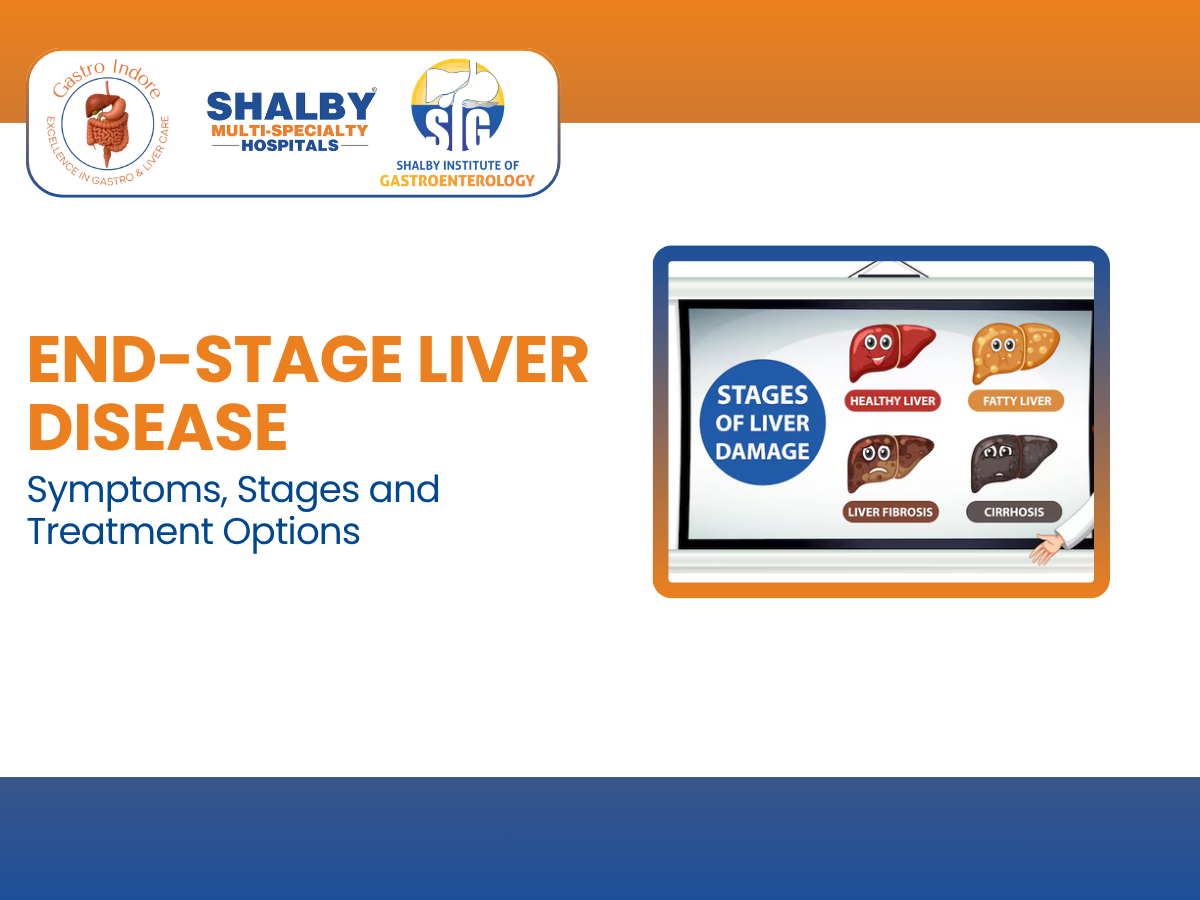
Liver cirrhosis is a condition in which healthy liver tissue is replaced by scar tissue over time. This scarring reduces the liver’s ability to perform vital functions such as filtering toxins, producing proteins, and storing energy.
Diet plays a central role in liver cirrhosis treatment in Indore and globally because the liver is deeply involved in digesting and metabolising everything you eat. Eating the right foods reduces the burden on a damaged liver, while eating the wrong ones can accelerate damage or trigger dangerous complications.
According to the World Health Organization (WHO), liver disease is among the leading causes of death worldwide, making early dietary intervention critically important.
Understanding the Stages of Liver Cirrhosis and Their Dietary Needs
Cirrhosis is broadly classified into two stages: compensated (early, where the liver still manages most functions) and decompensated (advanced, where complications appear). The liver cirrhosis diet chart recommended by your gastroenterologist will differ significantly between these two stages.
| Stage | Key Features | Core Dietary Priority |
| Compensated Cirrhosis | Liver still functioning; no visible complications | Prevent malnutrition; adequate protein; low-alcohol diet |
| Decompensated Cirrhosis | Ascites, jaundice, hepatic encephalopathy present | Low sodium; modified protein; small frequent meals |
Working with a gastroenterologist for liver disease in Indore ensures that your dietary plan is personalised to your exact stage, body weight, lab values, and complications.
Best Foods to Eat in a Liver Cirrhosis Diet at Each Stage
The following foods are widely recommended as part of a diet for liver cirrhosis patients and are aligned with evidence-based nutritional guidelines from hepatology experts.
1. Adequate Protein Sources
Protein is essential for maintaining muscle mass, which is often lost in cirrhosis. Most patients need between 1.2 to 1.5 grams of protein per kilogram of body weight daily. Good sources include:
- Eggs (whole or whites)
- Chicken breast and fish (low-fat)
- Low-fat dairy such as yogurt and paneer in small amounts
- Lentils and legumes in the early stage
- Soy-based proteins
2. Fruits and Vegetables
Fresh fruits and vegetables provide antioxidants, vitamins, and fibre that support overall health without taxing the liver. Choose low-sodium, fresh options over canned or pickled varieties. Good choices include:
- Papaya, banana, apple, and watermelon
- Spinach, bottle gourd (lauki), ridge gourd, and cucumber
- Tomatoes, carrots, and pumpkin
3. Whole Grains and Starchy Carbohydrates
Complex carbohydrates provide energy while being easy on the digestive system. Include foods such as:
- Brown rice, oats, and whole wheat roti
- Sweet potato and boiled potatoes (in moderation)
- Multigrain bread without added salt
4. Healthy Fats in Small Amounts
Healthy fats help absorb fat-soluble vitamins. Use small quantities of cold-pressed oils such as olive oil or mustard oil. Avoid deep-fried preparations entirely.
5. Small, Frequent Meals
Eating 5 to 6 small meals throughout the day, rather than 2 to 3 large ones, helps prevent low blood sugar and reduces the metabolic load on the liver. A light late-night snack is especially recommended to prevent muscle breakdown during the overnight fast.
Foods to Strictly Avoid in a Liver Cirrhosis Diet at Each Stage
Knowing what to avoid is just as important as knowing what to eat. The following foods can worsen liver damage, trigger fluid retention, or increase the risk of life-threatening complications. This section is the core of a complete liver cirrhosis diet: what to eat and strictly avoid at each stage.
1. Alcohol (Strictly Prohibited at All Stages)
Alcohol is directly toxic to liver cells and is the single most important item to eliminate from your diet permanently. Even small amounts of alcohol in cirrhosis patients can cause rapid progression to liver failure.
2. High-Sodium Foods
Excess sodium causes the body to retain fluid, which worsens ascites (fluid in the abdomen) and swelling in the legs. Foods to strictly avoid include:
- Pickles, papads, and chutneys with added salt
- Packaged chips, namkeen, and salted nuts
- Soy sauce, ketchup, and ready-made gravies
- Salted butter, cheese, and processed meats
3. Processed and Packaged Foods
Packaged and ultra-processed foods contain preservatives, artificial additives, hidden sodium, and unhealthy trans fats. These ingredients increase inflammation and put extra stress on an already compromised liver.
4. Red Meat and High-Fat Animal Proteins
Red meats such as mutton, beef, and pork are high in saturated fat and ammonia-producing amino acids, which can worsen hepatic encephalopathy in advanced cirrhosis. These should be replaced with lean proteins.
5. Raw Shellfish and Unpasteurised Foods
Cirrhosis significantly weakens the immune system. Raw shellfish, raw milk, and unpasteurised cheeses carry a risk of bacterial infections, which can be fatal in cirrhosis patients.
6. Refined Sugar and Sugary Beverages
High sugar intake contributes to fatty liver changes and metabolic stress. Avoid sweets, soft drinks, packaged juices, and desserts high in refined sugar.
Liver Cirrhosis Diet Chart: A Sample Day’s Meal Plan
The following sample liver cirrhosis diet chart is for general guidance only. Always consult a gastroenterologist in Indore or a clinical dietitian before making changes to your meal plan.
| Meal Time | Suggested Foods |
| Early Morning (7 AM) | Warm water with lemon; 4 soaked almonds |
| Breakfast (8:30 AM) | Oats porridge with banana; 1 boiled egg; herbal tea without sugar |
| Mid-Morning Snack (11 AM) | Fresh fruit (papaya or apple); low-fat yogurt |
| Lunch (1 PM) | 2 whole wheat rotis; dal (low-sodium); steamed vegetables; small bowl of curd |
| Evening Snack (4 PM) | Coconut water or fresh juice (no added salt/sugar); multigrain crackers |
| Dinner (7 PM) | Brown rice or khichdi; grilled fish or paneer; bottle gourd sabzi |
| Bedtime Snack (9:30 PM) | A glass of low-fat milk or a small bowl of fruit with a handful of nuts |
Special Dietary Considerations for Advanced Liver Cirrhosis
When cirrhosis reaches the decompensated stage, dietary modifications become more complex and must be supervised by a liver specialist in Indore. Some key adjustments include:
- Sodium restriction below 2,000 mg per day to control ascites and fluid retention in the body
- Protein modification for hepatic encephalopathy: shifting toward plant-based and branched-chain amino acid (BCAA) proteins under medical guidance
- Zinc and vitamin D supplementation if deficiencies are detected through blood tests
- Fluid restriction if hyponatremia (low sodium in blood) is present, as advised by your doctor
- Late-evening snack to prevent overnight catabolism and muscle wasting
How Diet Supports Liver Cirrhosis Treatment in Indore
A well-planned diet for liver cirrhosis in Indore works hand-in-hand with medical treatment. The goal is not to replace medications but to complement them by:
- Reducing the liver’s workload so it can regenerate where possible
- Preventing malnutrition, which affects over 65% of cirrhosis patients
- Managing complications such as ascites, encephalopathy, and bleeding
- Strengthening the immune system to fight infections
- Supporting the efficacy of prescribed medications
At Gastro Indore, the best liver specialist in Indore combines clinical diagnosis, medication, and individualized dietary counselling to give patients a comprehensive treatment plan. Visiting a trusted liver clinic in Indore early can significantly slow disease progression.
Key Nutrients to Focus On in a Liver Cirrhosis Food List
Building a practical liver cirrhosis food list means prioritising specific nutrients. Here is a quick reference:
- Protein: 1.2 to 1.5 g/kg body weight daily to prevent muscle loss
- Calories: 35 to 40 kcal/kg/day to maintain a healthy body weight
- Sodium: Less than 2,000 mg/day if ascites is present
- Zinc: Deficiency is common in cirrhosis and supplementation may be advised
- Vitamin D and K: Fat-soluble vitamins often depleted in liver disease
- Fibre: Supports gut health and reduces ammonia production in the colon
FAQs About the Liver Cirrhosis Diet
Q1. What is the best diet for liver cirrhosis patients?
A balanced diet rich in protein, fruits, vegetables, and whole grains is best for liver cirrhosis patients. The ideal liver cirrhosis diet varies by disease stage and complications. Most patients benefit from lean proteins, low-sodium foods, frequent small meals, and adequate calories to prevent muscle loss.
Q2. Which foods should be strictly avoided in liver cirrhosis?
Alcohol, high-salt foods, and processed items should be strictly avoided in liver cirrhosis. These foods can worsen liver damage and increase complications such as ascites and fluid retention. Avoid alcohol, pickles and papads, processed meats, and fast food and packaged snacks.
Q3. Can liver cirrhosis patients eat eggs?
Yes, eggs are generally a good source of protein for liver cirrhosis patients unless otherwise advised by a doctor. Protein helps maintain muscle mass, which is often lost in advanced liver disease. Dietary recommendations should always be individualised based on your current health status.
Q4. Is protein good or bad for liver cirrhosis?
Adequate protein intake is important for most patients with liver cirrhosis. Protein helps prevent malnutrition and muscle wasting, which are serious concerns in this condition. Patients with hepatic encephalopathy may require adjustments in protein sources under medical supervision.
Q5. What foods are recommended for cirrhosis with ascites?
A low-sodium diet is recommended for cirrhosis patients with ascites. Limiting salt helps reduce fluid accumulation in the abdomen. Suitable foods include fresh fruits and vegetables, home-cooked meals, whole grains, and lean protein sources.
Q6. Can liver cirrhosis patients drink milk?
Yes, low-fat milk and dairy products can be included in a liver cirrhosis diet if tolerated. Dairy provides protein and calcium, but intake may vary depending on individual nutritional needs and medical advice from your gastroenterologist.
Q7. How much salt is allowed in liver cirrhosis?
Many patients with liver cirrhosis, especially those with ascites, are advised to follow a low-sodium diet. Your doctor may recommend restricting sodium intake to below 2,000 mg per day to help manage fluid retention and improve symptoms.
Q8. Can liver cirrhosis be managed with diet alone?
Diet plays a crucial role in liver cirrhosis treatment in Indore and elsewhere, but medical treatment is often necessary alongside it. A combination of medications, lifestyle modifications, and regular follow-up helps slow disease progression and prevent complications.
Q9. What is the best bedtime snack for liver cirrhosis patients?
A healthy bedtime snack can help prevent muscle breakdown in liver cirrhosis patients. Good options may include milk or yogurt, whole-grain crackers, fruit with nuts, or protein-rich snacks recommended by a dietitian. A light snack at night is strongly supported by EASL nutritional guidelines.
Q10. When should I consult a doctor for liver cirrhosis?
Consult a doctor immediately if you develop jaundice, abdominal swelling, confusion, vomiting blood, or severe fatigue. Early medical evaluation at a trusted liver clinic in Indore and regular follow-up can help detect complications and improve long-term liver health.
Get a Personalised Liver Cirrhosis Diet Plan in Indore
Managing liver cirrhosis requires more than generic advice. Our team at Gastro Indore includes the best liver specialist in Indore, offering expert diagnosis, medical treatment, and customised dietary counselling under one roof.
Whether you are newly diagnosed or managing complications, we are here to guide you at every stage. Book your consultation at our liver clinic in Indore today and take the first step toward better liver health.