

Your liver works quietly every single day, filtering toxins, processing nutrients, and keeping your metabolism running smoothly. Most people never think about this organ until something goes wrong. The impact of lifestyle on liver health explained in simple terms comes down to one truth: what you eat, how you move, and how you live directly shape how well your liver functions.
At Gastro Indore, our team of liver specialists sees this connection every day. Whether you are looking for a liver specialist in Indore, exploring fatty liver treatment in Indore, or simply want to understand how daily habits affect your liver, this guide breaks it down clearly.
Why Understanding the Impact of Lifestyle on Liver Health Matters
The liver is one of the few organs that can regenerate itself, but it is not indestructible. Poor lifestyle choices, repeated over months and years, wear it down slowly and silently.
Many people only discover liver damage after a routine liver health checkup in Indore reveals abnormal results. By then, the condition may have already progressed from simple fat buildup to inflammation or scarring.
This is why understanding the impact of lifestyle on liver health early matters so much. Small, consistent changes can prevent serious disease later, and they cost far less than treatment.
How Diet Shapes Liver Function
Diet is probably the single biggest lifestyle factor affecting liver health. The liver processes almost everything you eat, so a poor diet places direct and constant strain on it.
Foods that support liver health include:
- Fresh fruits and vegetables, especially leafy greens
- Whole grains like oats, brown rice, and whole wheat
- Lean proteins such as fish, chicken, and legumes
- Healthy fats from nuts, seeds, and olive oil
- Plenty of water throughout the day
Foods that strain the liver include:
- Deep-fried and processed foods
- Sugary drinks and excessive refined sugar
- Foods high in saturated and trans fats
- Excess salt, which can worsen fluid retention in advanced liver disease
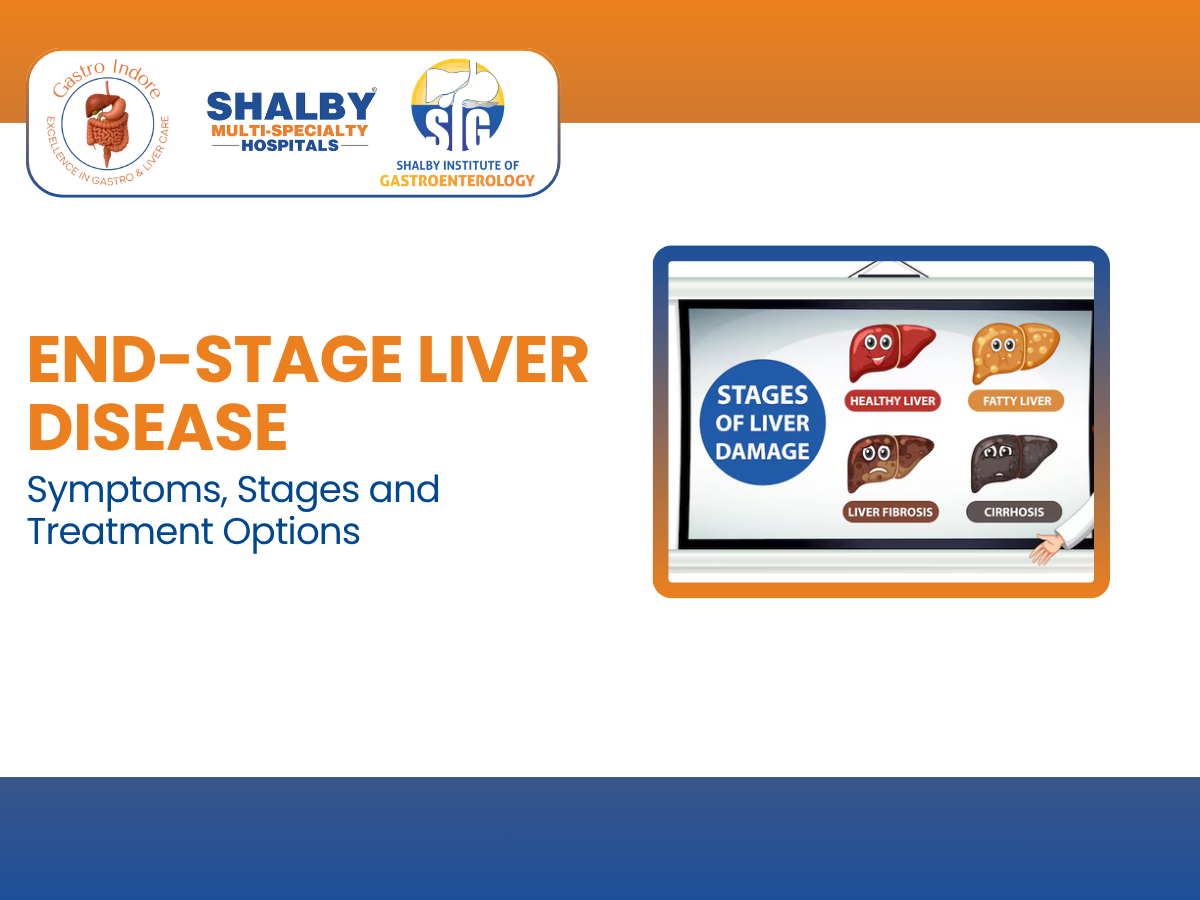
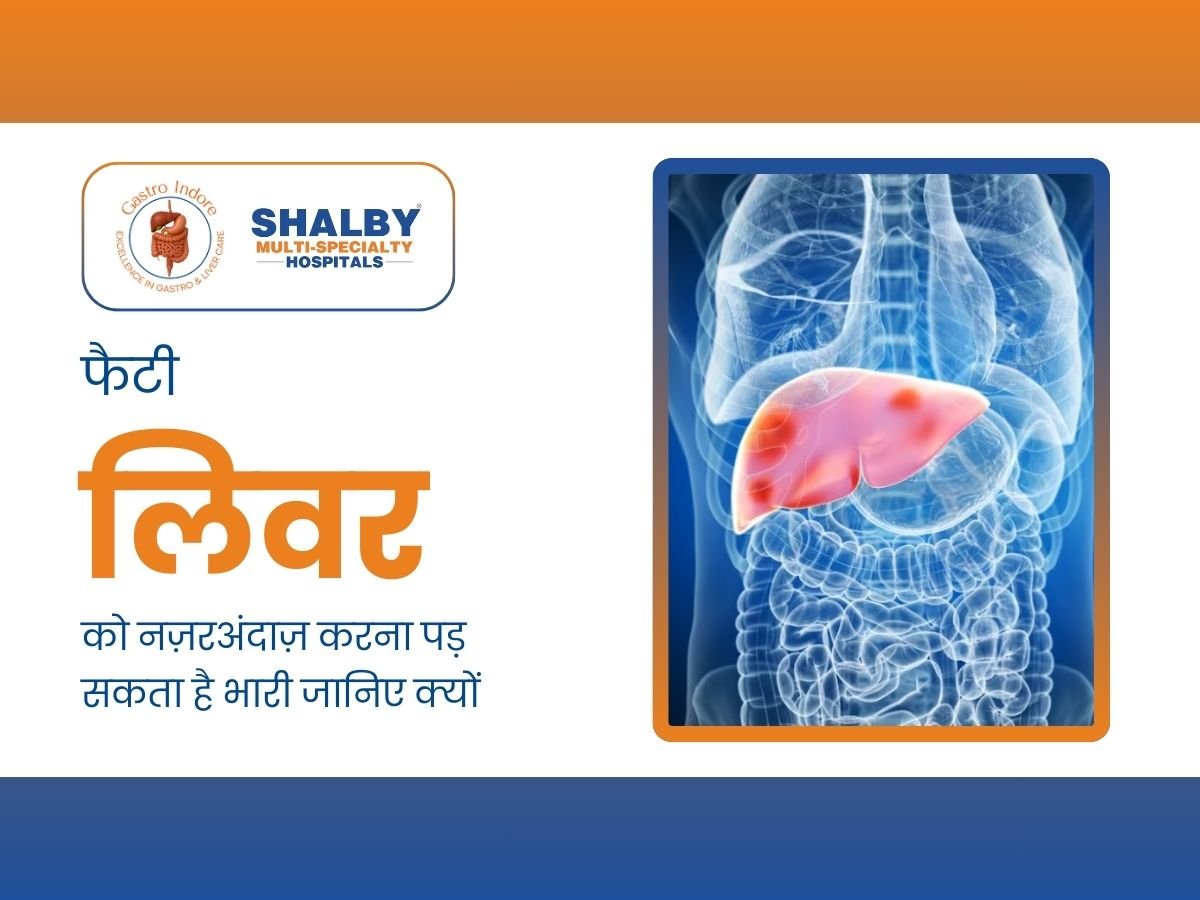
Over time, diets high in sugar and unhealthy fats lead to fat accumulation in liver cells. This condition, known as non-alcoholic fatty liver disease (NAFLD), is one of the most common reasons people seek fatty liver treatment in Indore today.
According to the National Institute of Diabetes and Digestive and Kidney Diseases (NIDDK), nonalcoholic fatty liver disease develops when extra fat builds up in liver cells for reasons unrelated to alcohol use. This makes diet quality one of the most important factors in prevention.
Physical Activity and Its Role in Liver Health
Exercise does more than help you lose weight. It directly reduces fat stored in the liver and improves how the organ processes sugar and fat.
Regular movement, even something as simple as brisk walking, helps in several ways:
- It reduces liver fat accumulation
- It improves insulin sensitivity
- It supports healthy weight management
- It reduces inflammation throughout the body
The Mayo Clinic notes that losing even a modest amount of body weight can help reduce fat stored in the liver, and combining a healthy diet with regular exercise tends to bring further improvement. This shows how closely diet and activity work together to protect liver function.
If you already have a diagnosed liver condition, it is worth discussing an exercise plan with a gastroenterologist in Indore before starting, since intensity and pacing matter.
Alcohol, Smoking, and Their Impact on Liver Health
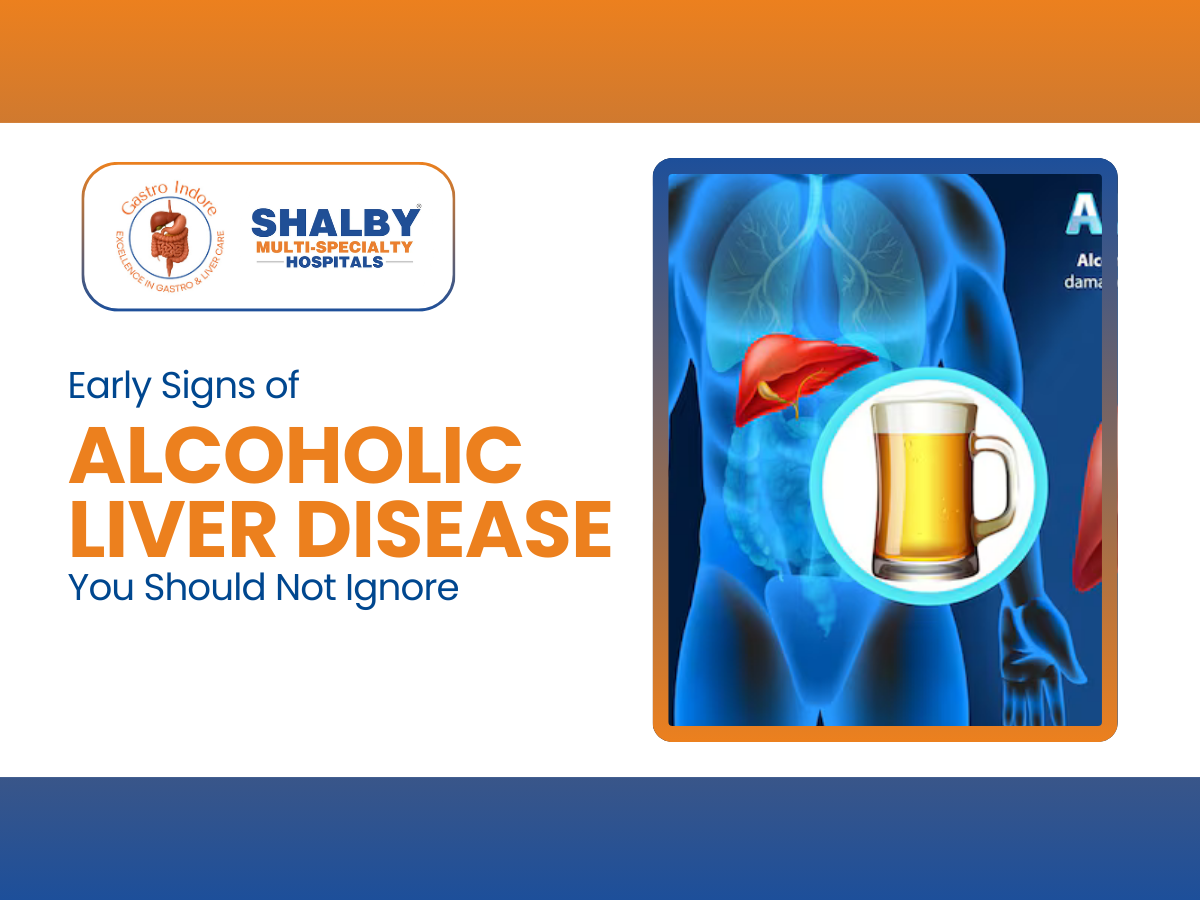
Alcohol remains one of the most well-known causes of liver damage, but it is far from the only lifestyle habit that harms this organ.
Alcohol forces the liver to prioritize breaking down toxins over its normal metabolic work. Repeated heavy drinking can lead to fatty liver, hepatitis, and eventually cirrhosis if left unaddressed.
Smoking introduces harmful chemicals that increase oxidative stress on liver cells. Combined with alcohol use, smoking significantly raises the risk of serious liver disease treatment in Indore cases we see in clinical practice.
Reducing or eliminating both habits is one of the fastest ways to lower your risk and support long-term liver recovery.
Sleep, Stress, and Weight: The Overlooked Lifestyle Factors
Diet and exercise get most of the attention, but sleep quality, stress levels, and body weight also shape liver health in meaningful ways.
Poor sleep disrupts metabolic hormones, which can contribute to weight gain and insulin resistance, both of which stress the liver. Chronic stress raises cortisol levels, which over time can encourage fat storage, including in the liver.
Carrying excess weight, particularly around the abdomen, is strongly linked to fatty liver disease. This is one reason why gradual, sustainable weight loss is often recommended by the best gastrologist doctor in Indore rather than extreme or crash diets.
Medications, Supplements, and Liver Safety
Not every risk to the liver comes from food or alcohol. Certain medications and supplements, when overused or combined incorrectly, can also cause liver strain.
Overuse of common painkillers, unregulated herbal supplements, and self-prescribed medication combinations are known contributors to liver stress. Always consult a qualified doctor before starting new supplements, especially if you already have a liver condition.
This is where regular checkups become valuable. A liver health checkup in Indore can catch early warning signs long before symptoms appear.
Building a Liver-Friendly Lifestyle: Practical Steps
Making meaningful change does not require a complete life overhaul. Small, consistent steps often produce the best long-term results.
Practical daily habits to protect your liver:
- Eat balanced meals with plenty of fiber and lean protein
- Stay physically active for at least 150 minutes a week
- Limit or avoid alcohol consumption
- Maintain a healthy body weight through gradual changes
- Get 7 to 8 hours of quality sleep each night
- Stay hydrated with water instead of sugary drinks
- Schedule regular checkups with a trusted gastroenterologist in Indore
These habits, practiced consistently, address nearly every major lifestyle factor linked to liver disease.
When to See a Liver Specialist
Many liver conditions develop silently, without obvious symptoms in the early stages. This makes awareness and regular screening essential, particularly if you have risk factors like obesity, diabetes, or a family history of liver disease.
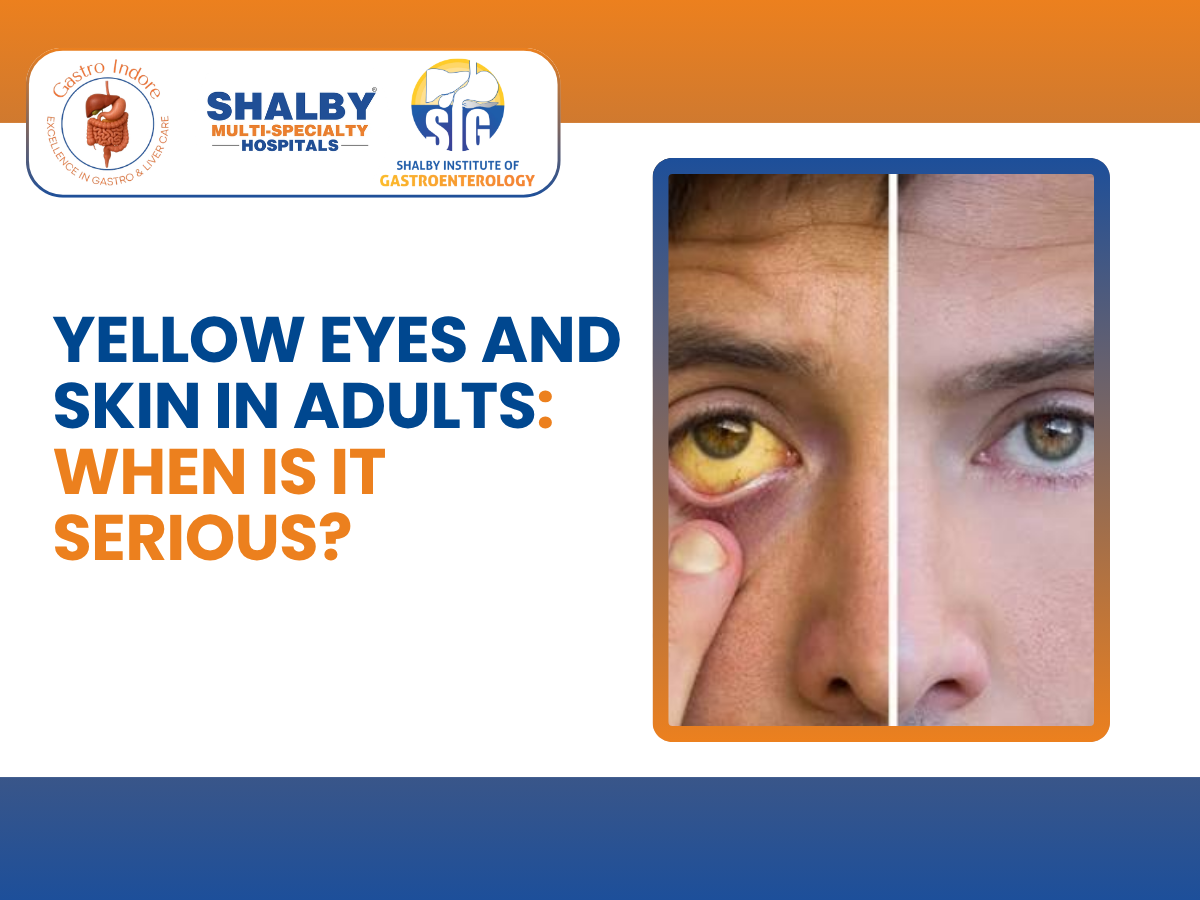
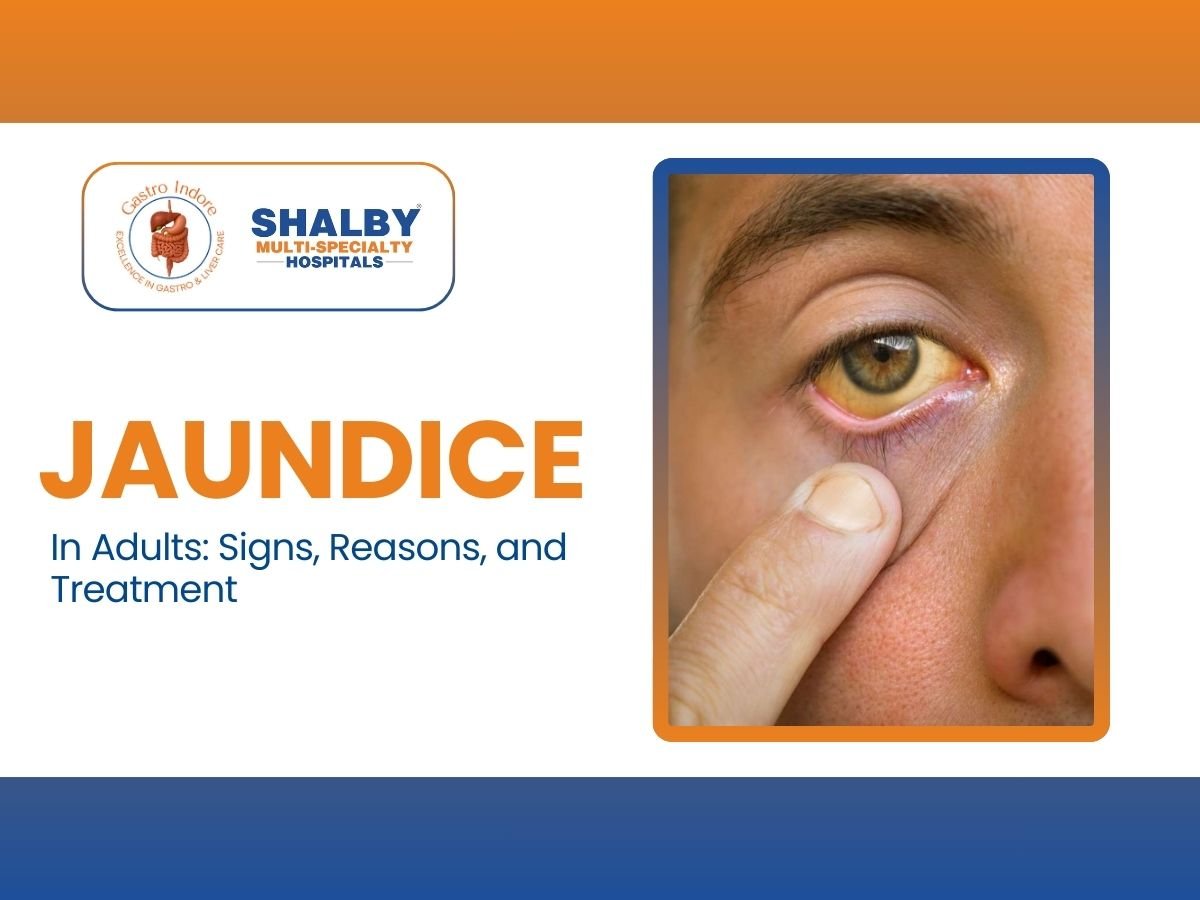
Consult a specialist if you notice persistent fatigue, unexplained weight loss, yellowing of the skin or eyes, abdominal discomfort, or swelling. These signs may indicate an underlying liver condition that needs prompt evaluation.
Gastro Indore is recognised among the top gastrologist in Indore for accurate diagnosis and personalised liver care plans. Whether you need a routine screening or specialised treatment, working with the top 3 gastrologist in Indore professionals ensures your liver health is in experienced hands.
Summary The Impact of Lifestyle on Liver Health Explained
- Diet quality directly affects fat buildup and inflammation in the liver
- Regular exercise reduces liver fat and improves metabolic health
- Alcohol and smoking significantly increase the risk of liver disease
- Sleep, stress, and body weight all play an underrated role in liver function
- Routine checkups catch problems early, when they are most treatable
Understanding the impact of lifestyle on liver health gives you the power to prevent disease rather than simply treat it after the fact. The World Health Organization has highlighted liver disease as a growing global health concern, with lifestyle-related conditions forming a large and rising share of cases worldwide.
Faqs Related to Lifestyle on Liver Health
1. How does lifestyle affect liver health?
Your daily lifestyle plays a major role in maintaining a healthy liver and preventing liver disease. Healthy eating, regular exercise, maintaining a healthy weight, limiting alcohol, and avoiding smoking help protect the liver and support its normal function.
2. Which lifestyle habits can damage the liver?
Certain unhealthy habits can increase the risk of liver damage over time. These include excessive alcohol consumption, high-fat and high-sugar diets, physical inactivity, smoking, and unnecessary use of certain medications or supplements.
3. Can lifestyle changes improve liver health?
Yes, healthy lifestyle changes can significantly improve liver health, especially in the early stages of liver disease. Weight management, regular physical activity, and a balanced diet may help reduce liver fat and inflammation.
4. What foods are best for a healthy liver?
A diet rich in fruits, vegetables, whole grains, lean proteins, and healthy fats supports liver health. Limiting processed foods, sugary drinks, and saturated fats can help reduce the risk of fatty liver disease.
5. Does exercise help keep the liver healthy?
Yes, regular exercise helps improve liver function and reduces the risk of fatty liver disease. Most adults should aim for at least 150 minutes of moderate-intensity physical activity each week, as advised by their healthcare provider.
6. Can being overweight affect liver health?
Yes, excess body weight is a major risk factor for non-alcoholic fatty liver disease (NAFLD). Losing weight gradually through a healthy diet and regular exercise can improve liver health and lower the risk of complications.
7. Is alcohol the only cause of liver disease?
No, alcohol is not the only cause of liver disease. Conditions such as fatty liver disease, viral hepatitis, obesity, diabetes, certain medications, and genetic disorders can also affect liver health.
8. How can I protect my liver naturally?
Simple lifestyle habits can help protect your liver and reduce the risk of liver disease. These include eating a balanced diet, exercising regularly, maintaining a healthy weight, avoiding excessive alcohol, getting vaccinated against hepatitis when recommended, and attending regular health check-ups.
9. What are the early signs of poor liver health?
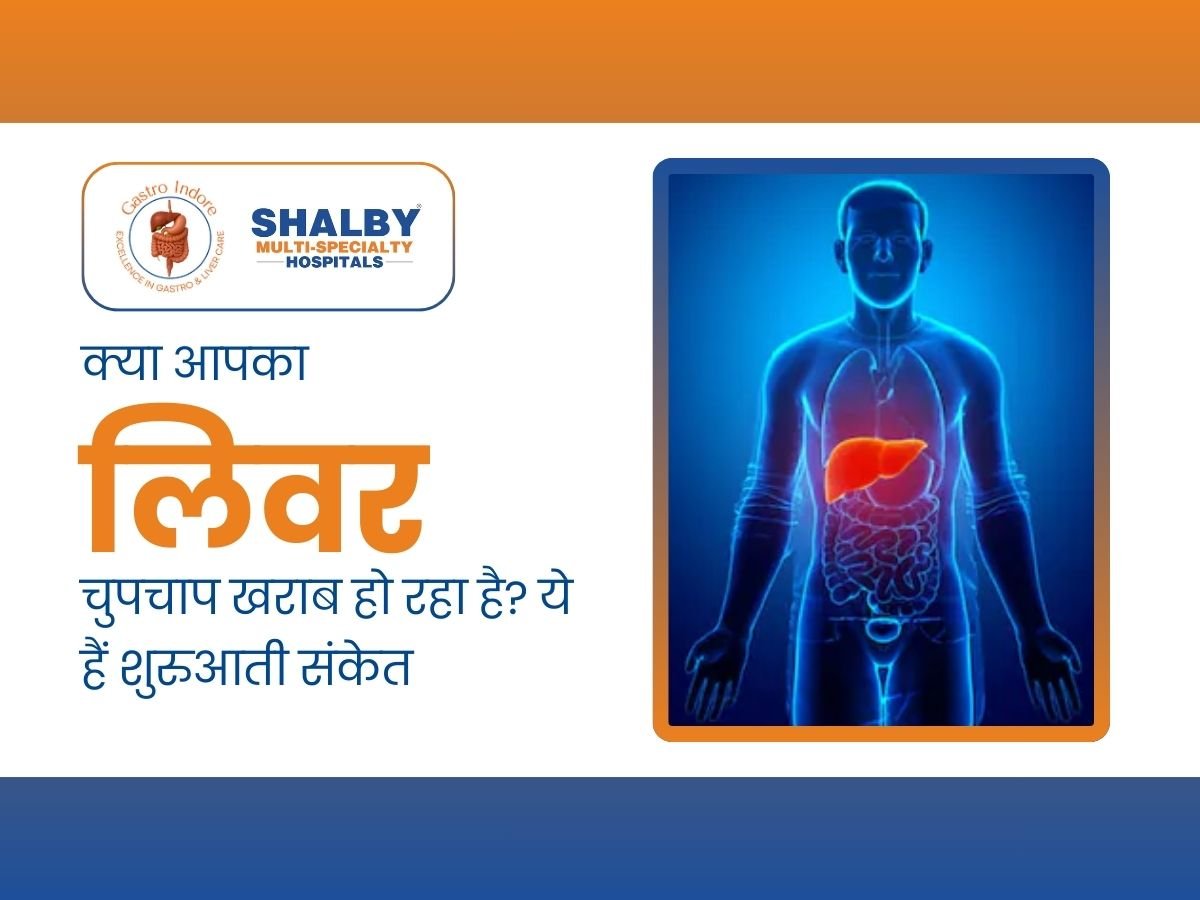
Early liver disease may not cause symptoms, but some people experience fatigue, loss of appetite, nausea, or discomfort in the upper right abdomen. As liver disease progresses, jaundice, abdominal swelling, and easy bruising may occur.
10. When should I consult a liver specialist?
Consult a gastroenterologist or liver specialist if you have persistent abnormal liver tests, jaundice, fatty liver on imaging, abdominal swelling, or symptoms that suggest liver disease. Early diagnosis and treatment can help prevent serious complications.
Take Charge of Your Liver Health Today
Now that you understand the impact of lifestyle on liver health explained in detail, the next step is simple: get screened before small issues become serious ones.
Gastro Indore brings together some of the best gastrologist in Indore for accurate diagnosis, personalised treatment plans, and ongoing liver care. Whether you need a routine liver health checkup in Indore or specialised liver disease treatment in Indore near me , our team is here to help.
Book your consultation with Gastro Indore today and take the first step toward a healthier liver.