

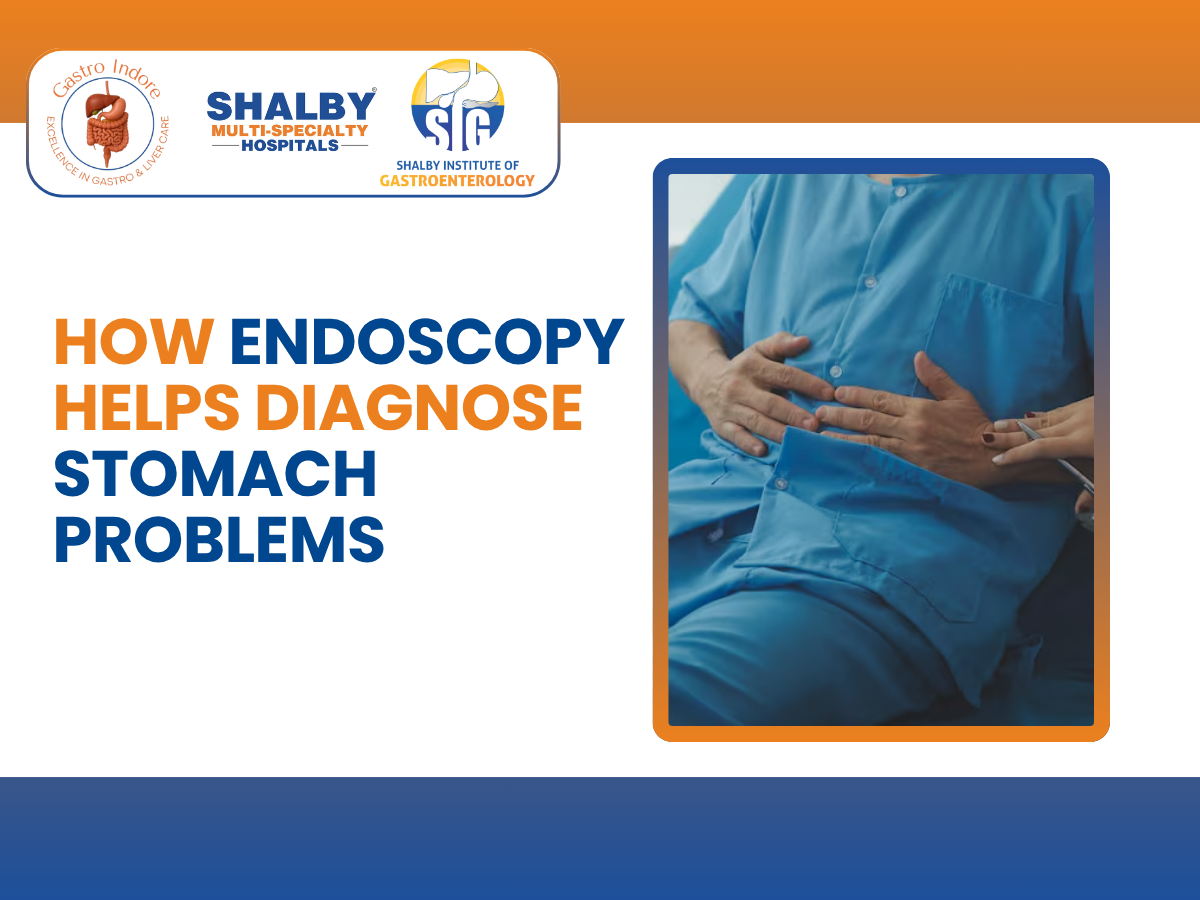
Stomach issues like persistent pain, bloating, acid reflux, and nausea are common, but they can also be signs of something more serious. This is where How Endoscopy Helps Diagnose Stomach Problems becomes an important topic for anyone dealing with unexplained digestive discomfort.
At Gastro Indore, our team of experienced specialists uses advanced endoscopy in Indore to accurately identify the root cause of stomach complaints. Whether it is mild acidity or a more serious concern like ulcers or early-stage cancer, an endoscopy gives doctors a clear, real-time view inside your digestive tract. In this blog, we explain what endoscopy is, how it works, and why it remains one of the most reliable diagnostic tools for stomach health.
What Is Endoscopy and Why It Matters for Digestive Health
An endoscopy is a medical procedure that uses a thin, flexible tube fitted with a tiny camera, called an endoscope, to examine the inside of your digestive system. The device is gently passed through the mouth to view the esophagus, stomach, and the beginning of the small intestine.
This procedure, known as an Upper GI Endoscopy in Indore, allows doctors to see abnormalities directly instead of relying only on symptoms or blood tests. It is considered one of the most accurate ways to diagnose conditions affecting the upper digestive tract.
Unlike imaging tests such as X-rays, endoscopy lets a gastroenterologist in Indore view the tissue lining in real time and even collect samples if needed. This combination of visualization and tissue sampling is what makes endoscopy such a powerful diagnostic tool.
How Endoscopy Helps Diagnose Stomach Problems in Detail
Understanding how endoscopy helps diagnose stomach problems starts with knowing what the procedure can actually detect. During the exam, the doctor carefully examines the lining of the esophagus, stomach, and duodenum for any signs of inflammation, ulcers, bleeding, or abnormal growths.
If anything unusual is spotted, a small tissue sample, called a biopsy, can be taken during the same procedure. This sample is then examined in a lab to confirm conditions such as infections, celiac disease, or cancer.
Endoscopy is often recommended when:
- Over-the-counter medications fail to relieve stomach pain or acidity
- Symptoms like vomiting or weight loss persist without explanation
- There is unexplained bleeding in the stool or vomit
- A patient has difficulty or pain while swallowing
By combining direct visualization with laboratory testing, an endoscopy provides a level of diagnostic accuracy that other tests simply cannot match.
Common Stomach Conditions Detected Through Upper GI Endoscopy
Visiting a stomach specialist in Indore for an endoscopy can uncover a wide range of digestive conditions. Some of the most commonly diagnosed problems include the following.
- Gastritis: Inflammation of the stomach lining, often caused by infection or long-term use of painkillers
- Peptic and stomach ulcers: Open sores on the stomach lining that cause burning pain
- GERD (Gastroesophageal Reflux Disease): A condition where stomach acid frequently flows back into the esophagus
- Esophagitis: Inflammation of the esophagus, usually linked to acid reflux
- Hiatal hernia: A condition where part of the stomach pushes into the chest cavity
- Celiac disease: An immune reaction to gluten that damages the small intestine
- Polyps and growths: Abnormal tissue growths that may need monitoring or removal
- Stomach and esophageal cancer: Endoscopy allows early detection, which greatly improves treatment outcomes
Early diagnosis of these conditions can prevent complications and allow treatment to begin sooner, which is why timely consultation with the best endoscopy doctor in Indore is so valuable.
When Should You Consult a Gastroenterologist in Indore for Endoscopy
Many people delay seeking help for digestive issues, assuming symptoms will pass on their own. However, certain warning signs should never be ignored.
You should consider consulting a gastroenterologist in Indore if you experience:
- Persistent stomach pain lasting more than a few weeks
- Frequent heartburn or acid reflux that does not improve with medication
- Unexplained weight loss or loss of appetite
- Difficulty swallowing food or liquids
- Blood in vomit or stool
- Chronic nausea or vomiting
If any of these symptoms sound familiar, it is worth scheduling an evaluation with a trusted specialist rather than waiting for the condition to worsen.
Choosing the Best Gastroenterologist in Indore for Accurate Diagnosis
With so many options available, finding the best gastrologist doctor in Indore can feel overwhelming. It helps to look for a specialist with strong clinical experience, modern diagnostic equipment, and a track record of accurate, patient-friendly care.
At Gastro Indore, our team is recognized among the top gastrologists in Indore for combining advanced endoscopic technology with a compassionate approach to patient care. We understand that visiting a doctor for digestive symptoms can feel stressful, so we focus on clear communication and minimally invasive procedures wherever possible.
When people search for the top 10 gastrologists in Indore or the top 3 gastrologists in Indore, they are usually looking for experience, honesty, and results. Our specialists bring years of expertise in diagnosing and treating a wide range of gastrointestinal conditions, making us a trusted choice for patients across the city.
What to Expect During Upper GI Endoscopy in Indore
Knowing what happens during the procedure can ease any anxiety you may have. Most upper GI endoscopy in Indore procedures follow a similar, straightforward process.
- You will be asked to fast for six to eight hours before the procedure
- A mild sedative or throat spray is used to keep you comfortable
- The doctor gently inserts the endoscope through the mouth and guides it down the throat
- The camera sends live images to a screen, allowing the doctor to examine the lining closely
- If needed, a biopsy or minor treatment is performed during the same session
- The entire procedure usually takes between 15 and 30 minutes
Most patients can go home the same day and resume normal activities within 24 hours, once the sedative wears off.
Preparing for Your Endoscopy Procedure
Proper preparation helps ensure accurate results and a smooth procedure. Here are a few simple steps your doctor may recommend.
- Avoid eating or drinking for several hours before the test, as instructed
- Inform your doctor about any medications, especially blood thinners
- Arrange for someone to drive you home, since sedation can affect alertness
- Wear comfortable, loose clothing on the day of the procedure
- Share your complete medical history, including allergies, with your doctor beforehand
Following these steps closely will help your stomach specialist in Indore get the clearest possible view during the exam.
Why Early Diagnosis Matters
Digestive conditions, when caught early, are usually much easier to treat. According to the Mayo Clinic, timely evaluation of persistent gastrointestinal symptoms can prevent complications and improve long-term outcomes. Similarly, the American Society for Gastrointestinal Endoscopy notes that endoscopic procedures play a central role in both diagnosing and managing a wide range of digestive disorders. The National Institute of Diabetes and Digestive and Kidney Diseases also highlights endoscopy as a key tool for identifying conditions such as ulcers and GERD before they progress further.
This is why understanding how endoscopy helps diagnose stomach problems is so important. It is not just about identifying an issue, it is about catching it early enough to make treatment simpler and more effective.
FAQs about Endoscopy Helps Diagnose Stomach Problems
1. What is an endoscopy, and how does it help diagnose stomach problems?
An upper GI endoscopy is a procedure that allows a doctor to examine the inside of the esophagus, stomach, and the first part of the small intestine using a flexible camera. It helps diagnose the cause of symptoms such as stomach pain, heartburn, nausea, and difficulty swallowing.
2. What stomach conditions can an endoscopy detect?
Endoscopy can detect a wide range of digestive conditions affecting the upper gastrointestinal tract. These include:
- Gastritis
- Stomach ulcers
- GERD
- Esophagitis
- Hiatal hernia
- Celiac disease
- Polyps
- Stomach and esophageal cancer
3. When should I undergo an endoscopy?
Your doctor may recommend an endoscopy if you have persistent digestive symptoms that do not improve with treatment. Common reasons include ongoing stomach pain, chronic acid reflux, vomiting, unexplained weight loss, difficulty swallowing, or gastrointestinal bleeding.
4. Is an endoscopy painful?
No, an endoscopy is generally not painful because most patients receive sedation or a local anesthetic for comfort. You may experience mild throat discomfort afterward, but it usually resolves within a day.
5. How should I prepare for an endoscopy?
You will usually need to fast for several hours before the procedure. Your doctor may also advise you to temporarily stop certain medications and provide specific preparation instructions to ensure accurate results.
6. How long does an endoscopy take?
An upper GI endoscopy usually takes about 15 to 30 minutes to complete. Additional time may be needed for preparation, recovery from sedation, and discussing the initial findings with your doctor.
7. Can an endoscopy detect stomach cancer?
Yes, endoscopy is one of the most effective procedures for detecting stomach cancer and precancerous changes. It also allows the doctor to take tissue samples (biopsies) for laboratory analysis when necessary.
8. Are there any risks associated with an endoscopy?
Endoscopy is generally a safe procedure when performed by an experienced gastroenterologist. Although uncommon, potential risks include bleeding, infection, reactions to sedation, or perforation of the digestive tract.
9. Can I eat normally after an endoscopy?
Most patients can resume eating once the effects of the anesthetic or sedation have worn off, following their doctor’s advice. Your doctor may recommend starting with light meals if a biopsy or treatment was performed.
10. Which doctor performs an endoscopy in Indore?
A gastroenterologist is the specialist who performs upper GI endoscopy to diagnose and manage digestive disorders. If you have persistent stomach problems, consulting an experienced gastroenterologist in Indore can help ensure timely diagnosis and appropriate treatment.
Book Your Endoscopy Consultation at Gastro Indore Today
If you have been dealing with stomach pain, acid reflux, or other digestive symptoms that will not go away, do not wait for them to get worse. Understanding how endoscopy helps diagnose stomach problems is the first step toward getting the right treatment and lasting relief.
Gastro Indore brings together experienced specialists, modern endoscopic technology, and a patient-first approach to care. Book your appointment with our top gastrologist in Indore near me today and take a confident step toward better digestive health.
Call Gastro Indore now to schedule your endoscopy consultation and get answers to your stomach problems from trusted specialists.