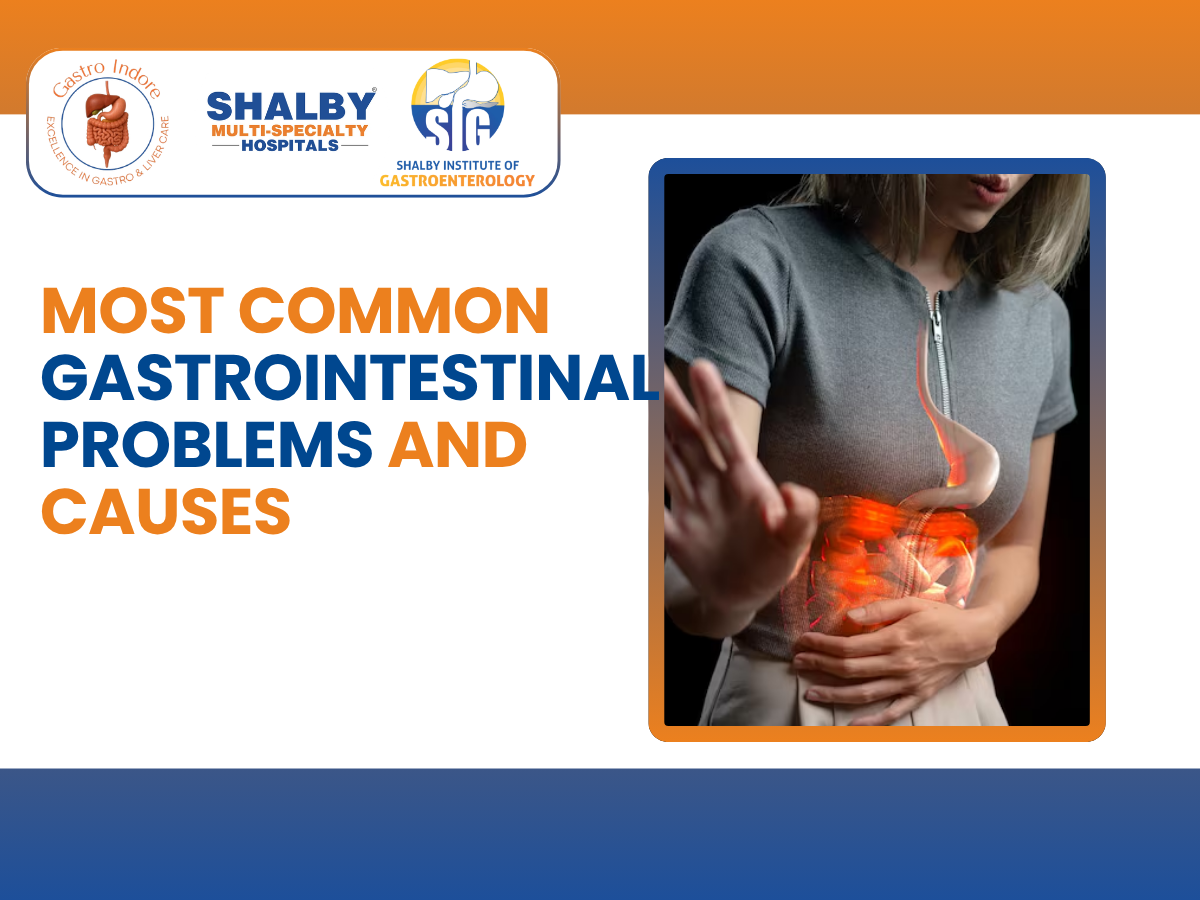


Digestive problems affect millions of people every year, and many go undiagnosed until symptoms become severe. This blog covers a detailed list of common digestive disorders, their symptoms and treatments, so you can recognize warning signs early and seek the right care. Whether you are searching for a digestive health specialist in Indore or simply want to understand your symptoms better, this guide from Gastro Indore will help you make informed decisions about your gut health.
Digestive disorders range from mild, temporary issues like indigestion to chronic conditions such as inflammatory bowel disease. Understanding the difference matters because early treatment often prevents complications. Below, we break down the most common conditions, their warning signs, and the treatment options available today.
What Are Digestive Disorders?
Digestive disorders are conditions that affect the esophagus, stomach, intestines, liver, gallbladder, or pancreas. They can disrupt how your body breaks down food, absorbs nutrients, and removes waste. Some are short-term and resolve with diet changes, while others need ongoing management from a gastroenterologist in Indore.
Common triggers include poor diet, stress, infections, medication side effects, and genetic predisposition. Recognizing the root cause is the first step toward effective digestive disorder treatment in Indore.
List of Common Digestive Disorders, Symptoms and Treatments
Here is a detailed breakdown of the most frequently diagnosed digestive conditions.
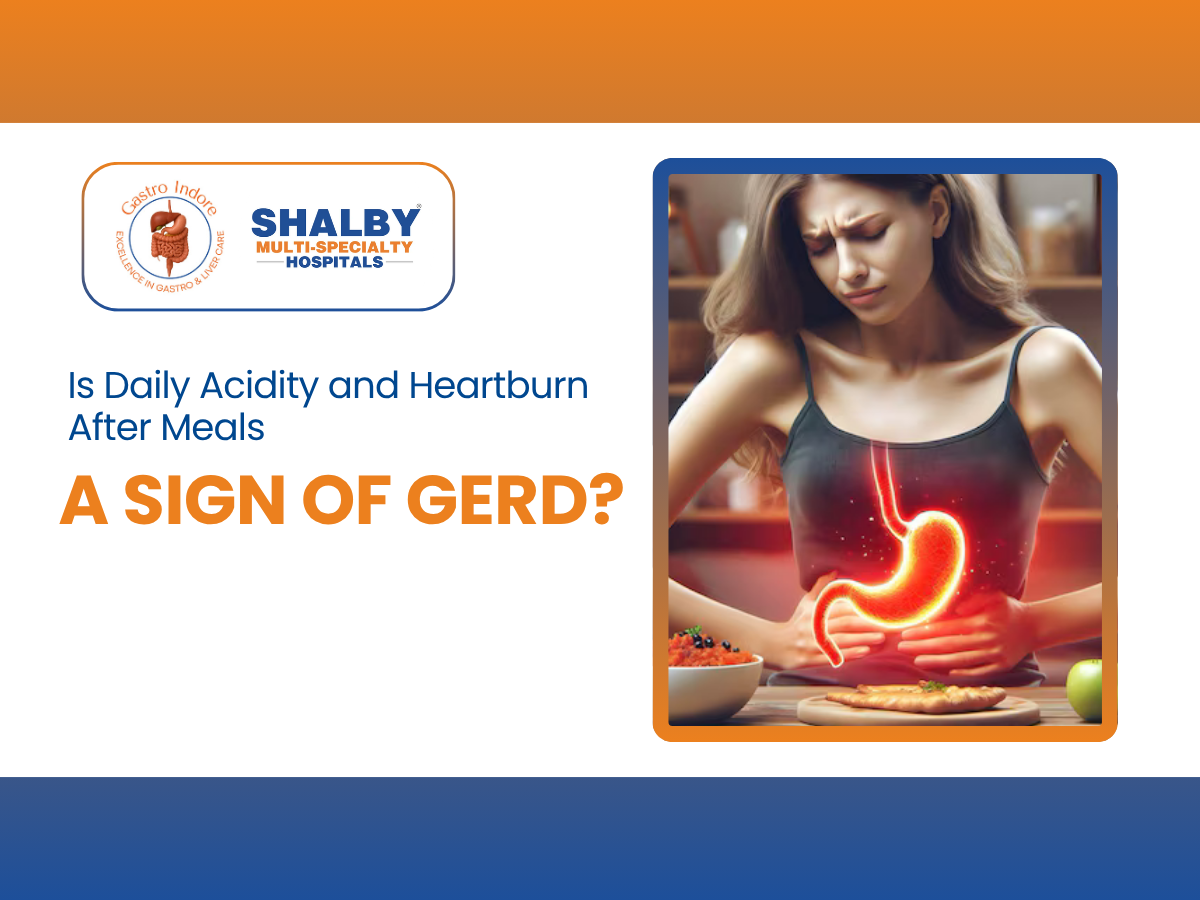
1. Gastroesophageal Reflux Disease (GERD)
GERD occurs when stomach acid frequently flows back into the esophagus, causing irritation over time.
Symptoms:
- Persistent heartburn
- Regurgitation of food or sour liquid
- Chest discomfort
- Difficulty swallowing
Treatment: Lifestyle changes, antacids, proton pump inhibitors, and in severe cases, surgical intervention. A best gastro doctor in Indore can help determine the right medication dosage based on severity.
2. Gastritis
Gastritis is inflammation of the stomach lining, often caused by infection, alcohol use, or long-term use of pain relievers.
Symptoms:
- Upper abdominal pain
- Nausea
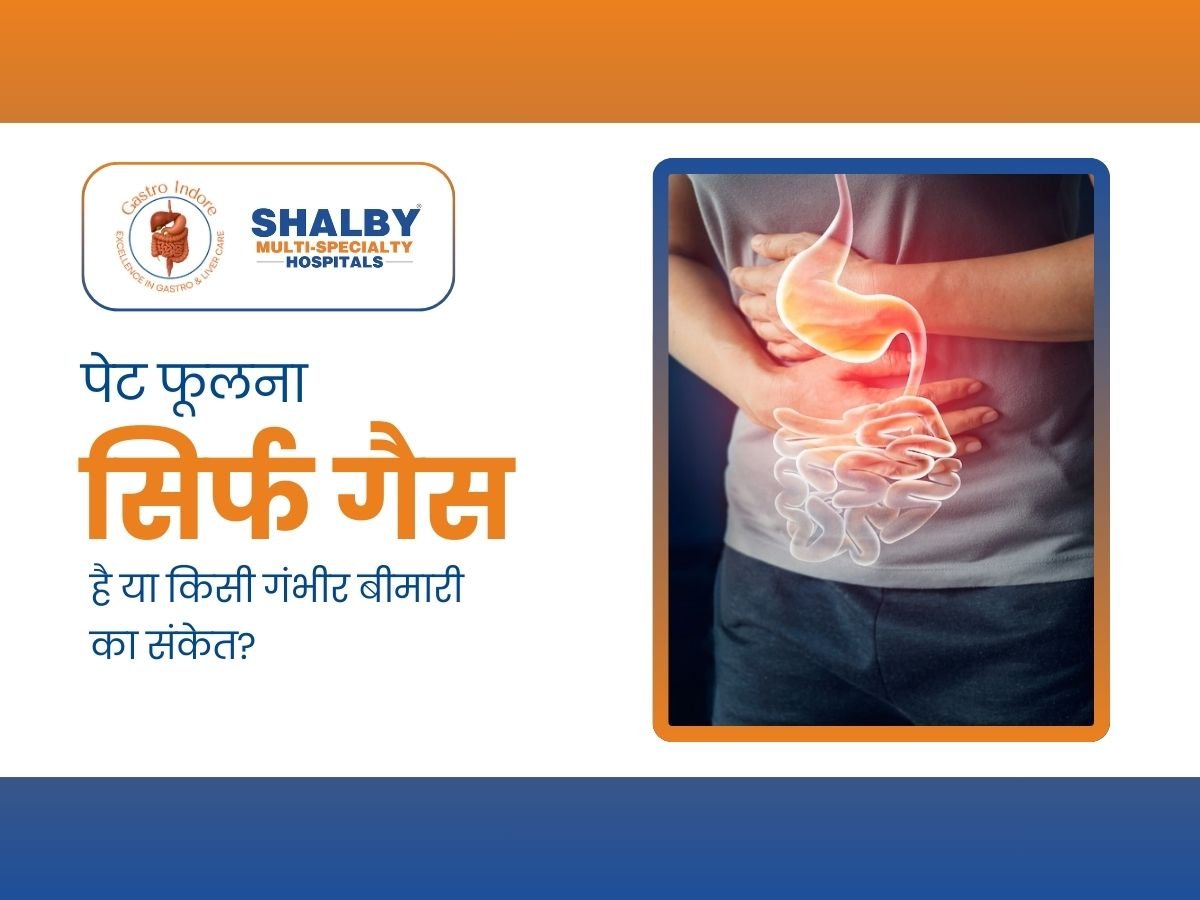
- Bloating
- Loss of appetite
Treatment: Antibiotics if caused by H. pylori infection, acid-reducing medications, and dietary adjustments.
3. Irritable Bowel Syndrome (IBS)
IBS is a common functional disorder affecting the large intestine, often linked to stress and diet.
Symptoms:
- Cramping and abdominal pain
- Alternating diarrhea and constipation
- Excess gas
- Mucus in stool
Treatment: Fiber management, stress reduction, probiotics, and prescription medications tailored to symptom type.
4. Peptic Ulcers
Peptic ulcers are open sores that develop on the inner lining of the stomach or upper small intestine.
Symptoms:
- Burning stomach pain
- Bloating
- Dark or bloody stools in severe cases
- Nausea
Treatment: Antibiotics for infection-related ulcers, acid suppressants, and avoiding NSAIDs. Prompt care from a Peptic Ulcers Treatment in Indore helps prevent bleeding complications.
5. Gallstones
Gallstones are hardened deposits that form in the gallbladder and can block bile flow.
Symptoms:
- Sudden pain in the upper right abdomen
- Nausea or vomiting
- Fever with chills (if infection develops)
- Yellowing of skin or eyes
Treatment: Pain management, medications to dissolve small stones, or surgical removal of the gallbladder for recurrent cases.
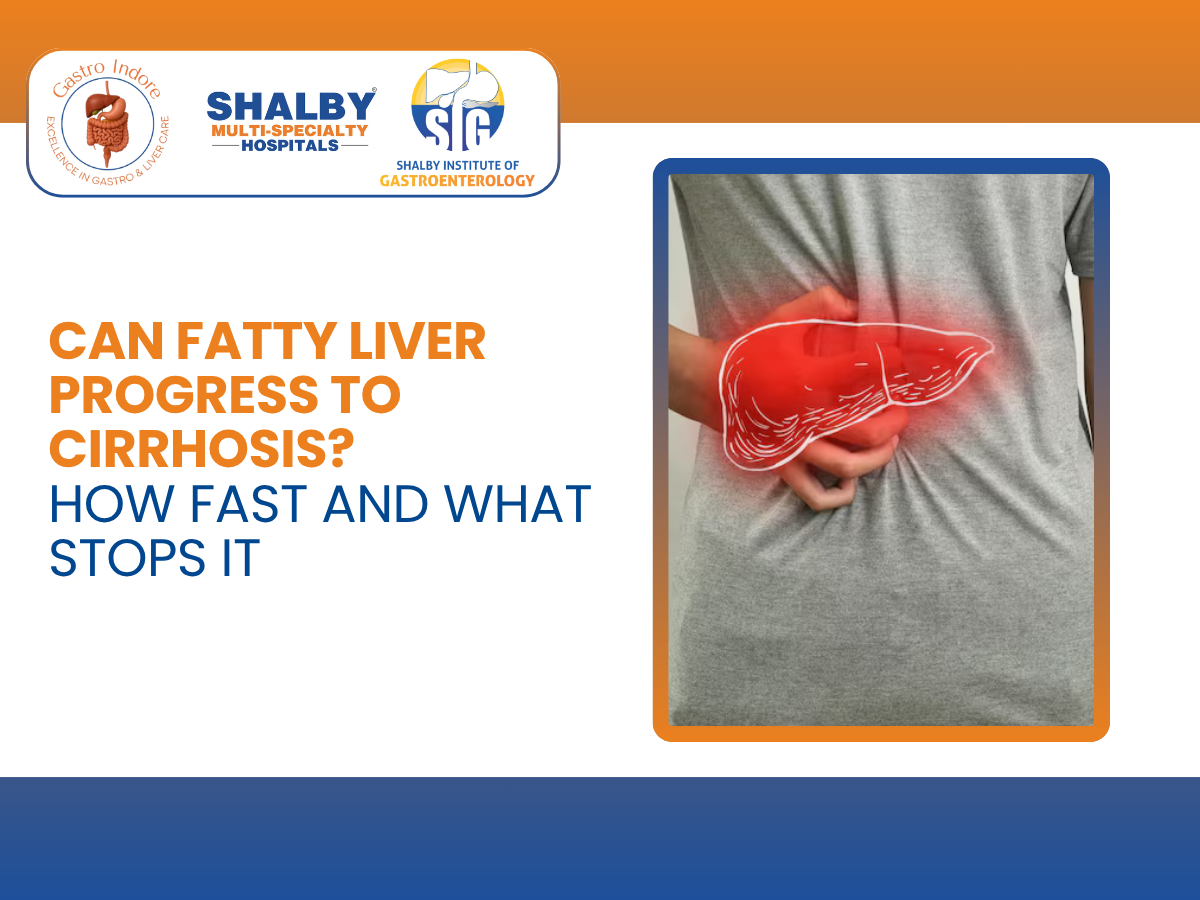
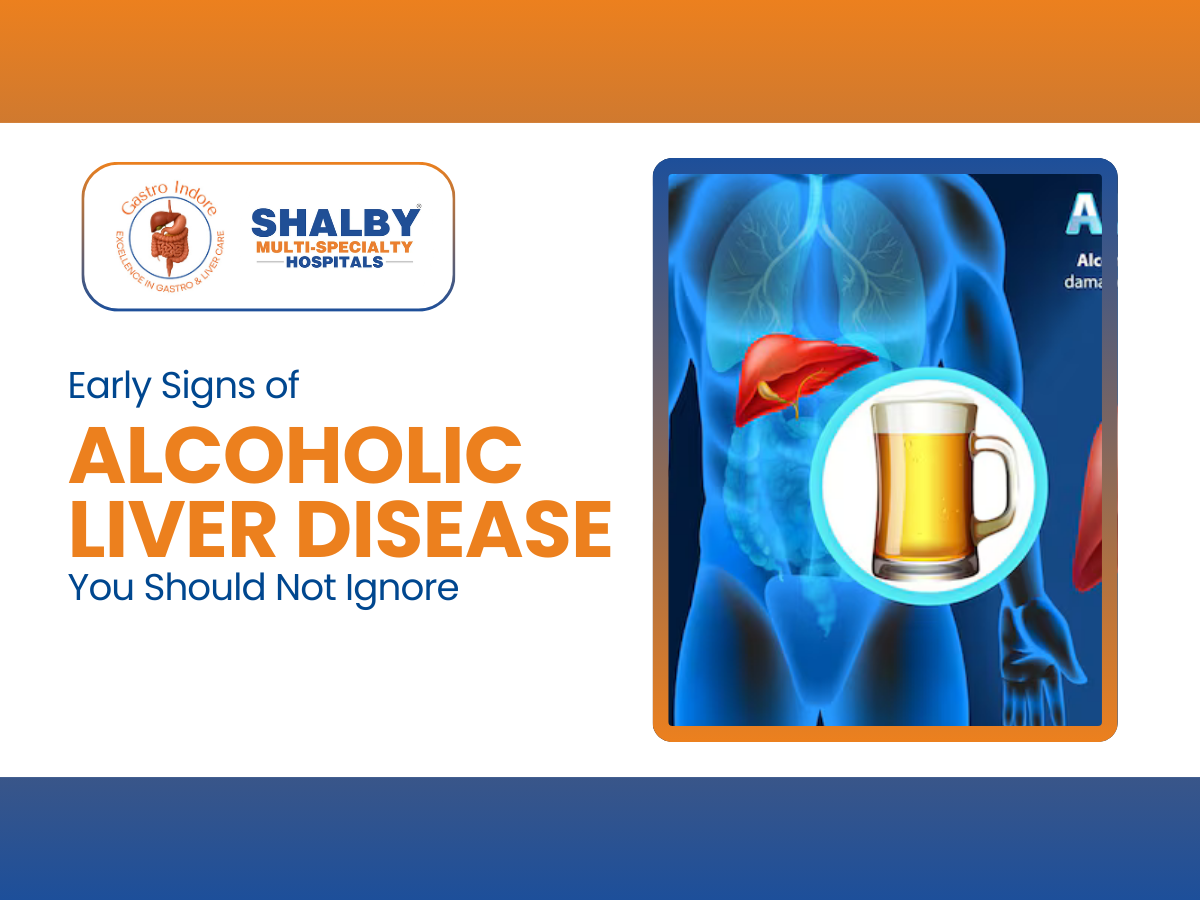
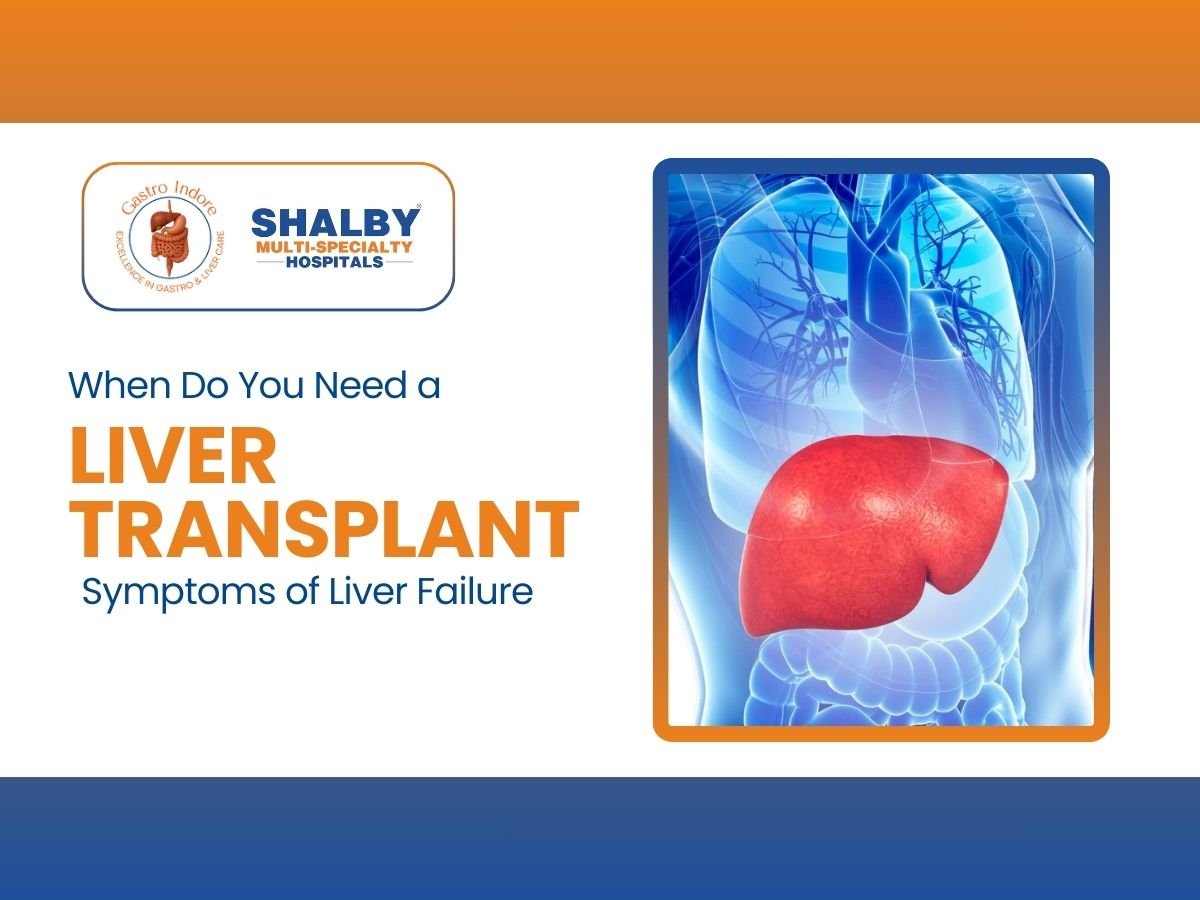
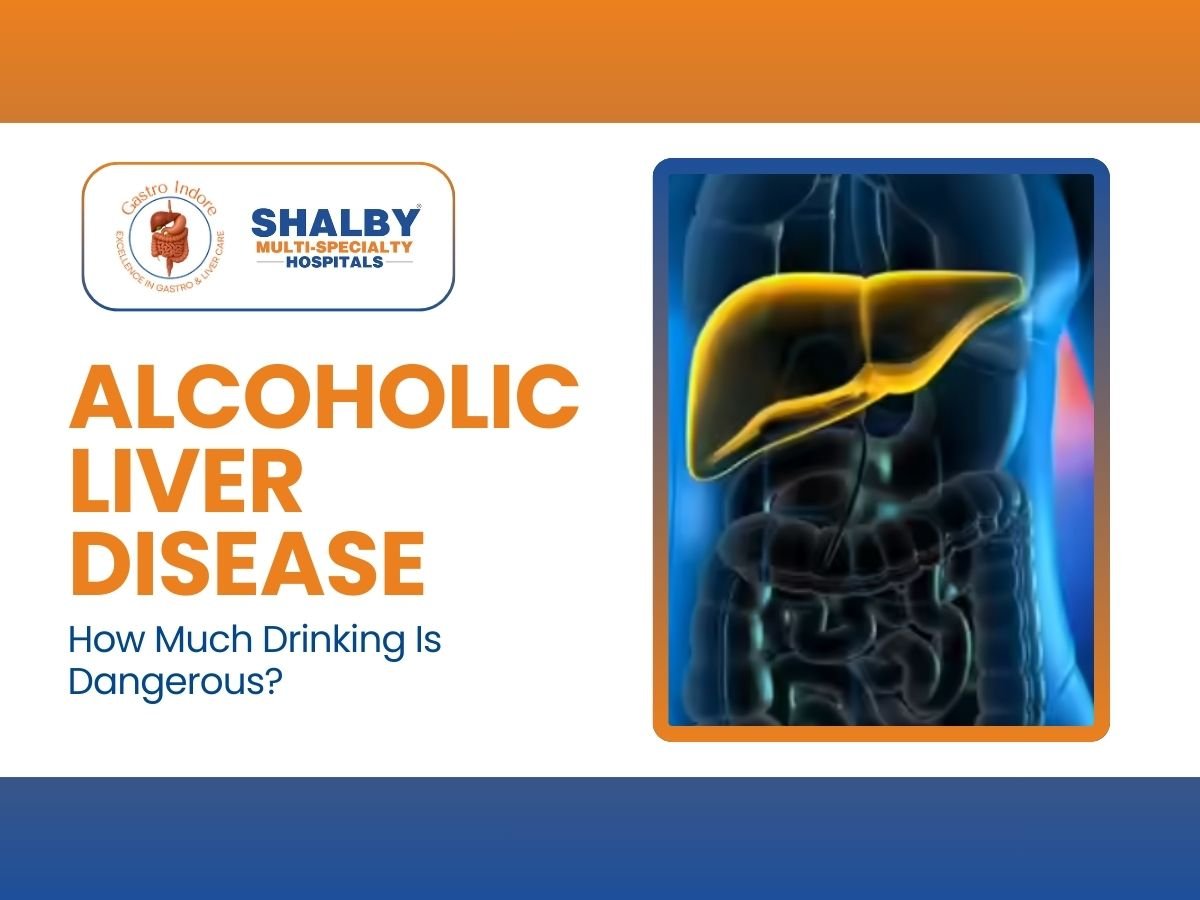
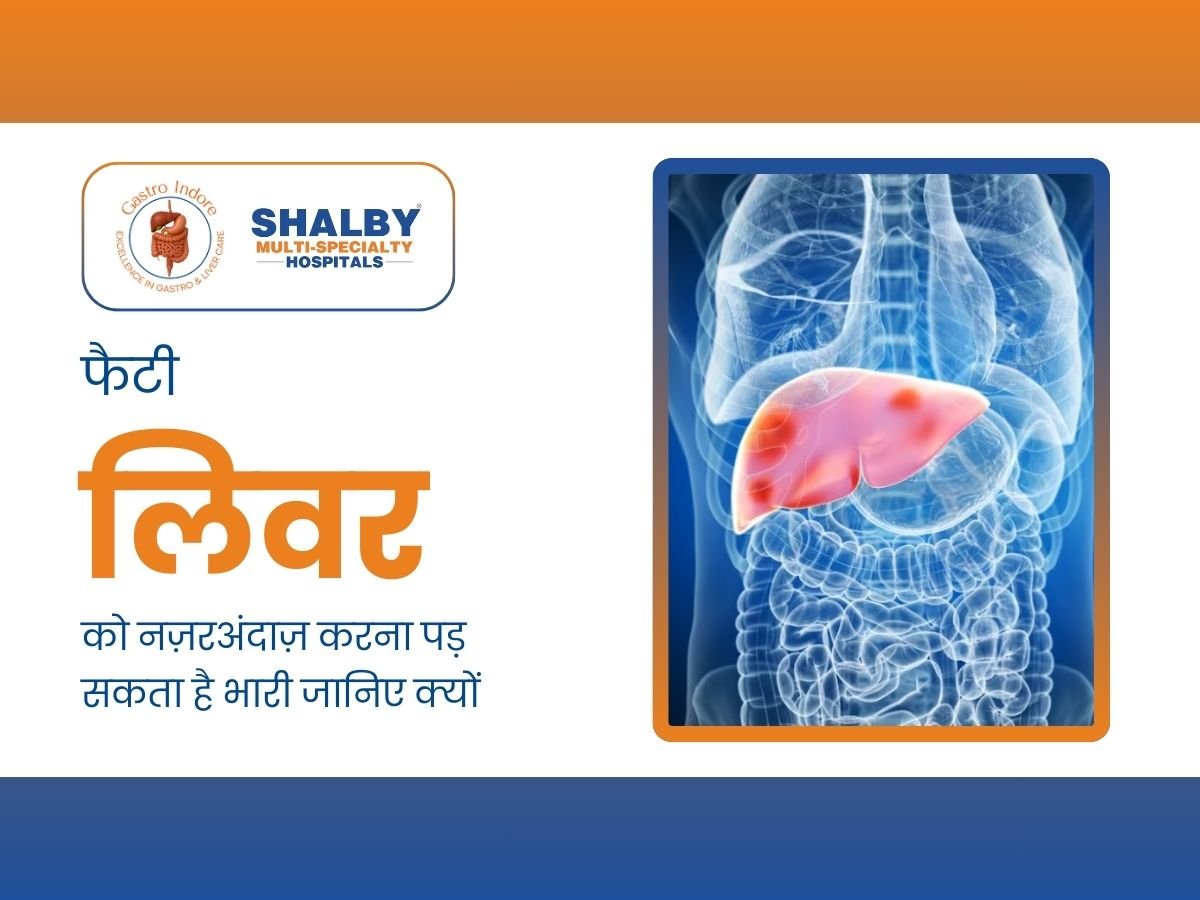
6. Fatty Liver Disease
This condition occurs when excess fat builds up in liver cells, often related to obesity or alcohol use.
Symptoms:
- Fatigue
- Mild abdominal discomfort
- Enlarged liver
- Elevated liver enzymes (detected through tests)
Treatment: Weight management, dietary changes, limiting alcohol, and regular monitoring by a GI specialist in Indore.
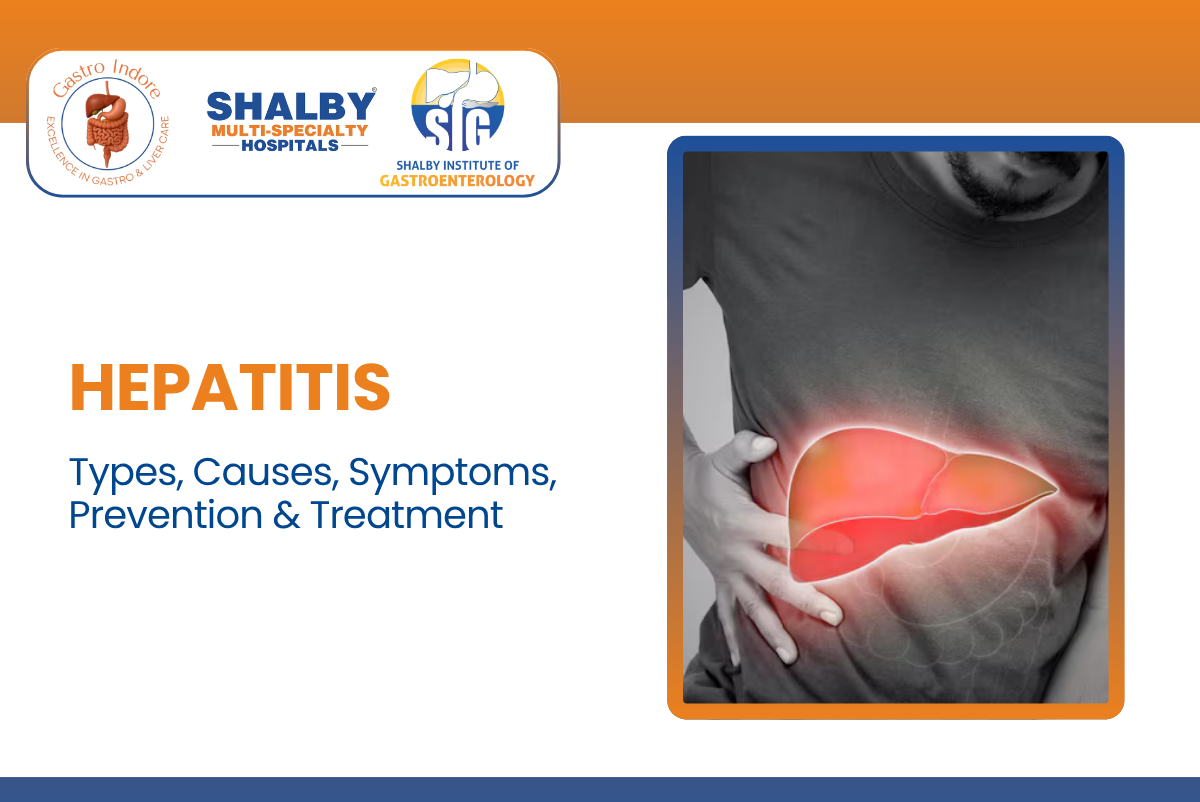
7. Hepatitis
Hepatitis refers to liver inflammation, commonly caused by viral infections or excessive alcohol consumption.
Symptoms:
- Jaundice
- Fatigue
- Dark urine
- Loss of appetite
Treatment: Antiviral medications, supportive care, vaccination for prevention, and lifestyle modification.
8. Pancreatitis
Pancreatitis is inflammation of the pancreas, often triggered by gallstones or heavy alcohol use.
Symptoms:
- Severe upper abdominal pain radiating to the back
- Nausea and vomiting
- Rapid pulse
- Fever
Treatment: Hospitalization for severe cases, pain control, fasting to rest the pancreas, and addressing the underlying cause.
9. Constipation
Constipation is one of the most common digestive complaints, affecting people of all ages.
Symptoms:
- Infrequent bowel movements
- Hard or lumpy stools
- Straining during bowel movements
- Bloating
Treatment: Increased fiber and water intake, physical activity, and laxatives when necessary under medical guidance.
Read More
10. Inflammatory Bowel Disease (IBD)
IBD includes Crohn’s disease and ulcerative colitis, both causing chronic inflammation of the digestive tract.
Symptoms:
- Persistent diarrhea
- Abdominal pain and cramping
- Blood in stool
- Unintended weight loss
Treatment: Anti-inflammatory medications, immune system suppressors, dietary management, and surgery in advanced cases.
When Should You See a Gastroenterologist?
Not every stomach ache needs a specialist visit, but certain signs should never be ignored. Consult a digestive health clinic in Indore if you notice:
- Abdominal pain lasting more than two weeks
- Unexplained weight loss
- Blood in vomit or stool
- Difficulty swallowing
- Persistent vomiting or diarrhea
Early consultation with an experienced gastrologist in Indore improves treatment outcomes and reduces the risk of complications such as internal bleeding or organ damage.
How Are Digestive Disorders Diagnosed?
Diagnosis usually begins with a detailed medical history and physical examination. Doctors may then recommend:
- Blood tests to check for infection or inflammation
- Stool tests to detect blood or parasites
- Endoscopy or colonoscopy for direct visualization
- Ultrasound or CT scan for organs like the liver and gallbladder
Accurate diagnosis is the foundation of effective treatment, which is why choosing a best gastrologist in Indore with modern diagnostic facilities matters.
Prevention Tips for Better Digestive Health
Many digestive disorders can be prevented or managed through simple daily habits.
- Eat a fiber-rich diet with fruits, vegetables, and whole grains
- Stay well hydrated throughout the day
- Limit processed foods, fried items, and excess alcohol
- Manage stress through exercise, sleep, and relaxation techniques
- Avoid smoking and overuse of painkillers
Following these habits, along with regular checkups with a trusted digestive health specialist in Indore, can significantly lower your risk of chronic digestive issues.
Why Choose Gastro Indore for Digestive Disorder Treatment?
Finding the right care matters when dealing with digestive health. Gastro Indore is recognized among the top 10 gastrologist in Indore options for patients seeking accurate diagnosis and personalized treatment plans. Our team is known for combining clinical expertise with modern diagnostic tools to manage everything from mild indigestion to complex liver and bowel conditions.
Patients searching for the top 3 gastrologist in Indore or comparing the indore best gastrologist doctor options often choose Gastro Indore because of our patient-first approach, transparent treatment plans, and consistent follow-up care.
FAQs About Common Digestive Disorders, Their Symptoms and Treatments
1. What are the most common digestive disorders?
Common digestive disorders include GERD, gastritis, irritable bowel syndrome (IBS), peptic ulcers, gallstones, fatty liver disease, hepatitis, pancreatitis, constipation, and inflammatory bowel disease (IBD). Early diagnosis and treatment can help prevent complications and improve digestive health.
2. What are the common symptoms of digestive disorders?
Digestive disorders can cause a variety of symptoms depending on the underlying condition. Common symptoms include:
- Abdominal pain
- Bloating
- Heartburn
- Nausea or vomiting
- Diarrhea or constipation
- Blood in the stool
- Unexplained weight loss
3. When should I consult a gastroenterologist for digestive problems?
You should consult a gastroenterologist if digestive symptoms persist for more than two weeks or become severe. Symptoms such as persistent abdominal pain, difficulty swallowing, recurrent vomiting, jaundice, or blood in the stool require prompt medical evaluation.
4. What causes digestive disorders?
Digestive disorders can result from infections, unhealthy eating habits, chronic diseases, autoimmune conditions, medications, or genetic factors. Lifestyle factors such as smoking, alcohol use, obesity, and stress may also contribute.
5. How are digestive disorders diagnosed?
Doctors diagnose digestive disorders using a combination of medical history, physical examination, laboratory tests, and imaging studies. Procedures such as upper GI endoscopy, colonoscopy, ultrasound, CT scan, or blood tests may also be recommended.
6. Can digestive disorders be treated without surgery?
Yes, many digestive disorders can be managed with medications, dietary changes, and lifestyle modifications. Surgery is generally considered only when conservative treatments are ineffective or complications develop.
7. Which digestive disorders require immediate medical attention?
Some digestive disorders require urgent medical care. Seek immediate medical attention if you experience:
- Severe abdominal pain
- Vomiting blood
- Black tarry stools
- High fever with abdominal pain
- Persistent vomiting
- Yellowing of the eyes or skin
8. Can diet help prevent digestive disorders?
Yes, a balanced diet plays an important role in maintaining digestive health and reducing the risk of many digestive disorders. Eating fiber-rich foods, staying hydrated, and limiting processed foods can support a healthy digestive system.
9. Are digestive disorders curable?
Many digestive disorders are treatable, while others require long-term management. The outcome depends on the specific condition, its severity, and how early treatment begins.
10. Which doctor treats digestive disorders?
A gastroenterologist is the specialist who diagnoses and treats digestive disorders affecting the esophagus, stomach, intestines, liver, pancreas, and gallbladder. Early consultation can help ensure accurate diagnosis and appropriate treatment.
Take the Next Step Toward Better Digestive Health
Ignoring digestive symptoms today can lead to bigger health problems tomorrow. If you have noticed persistent bloating, pain, or irregular bowel habits, do not wait for things to get worse. Book a consultation with Gastro Indore, trusted among patients as the best gastrologist doctors near me in Indore, and get a personalized treatment plan designed around your health needs. Call us today or visit our clinic to start your journey toward lasting digestive wellness.