

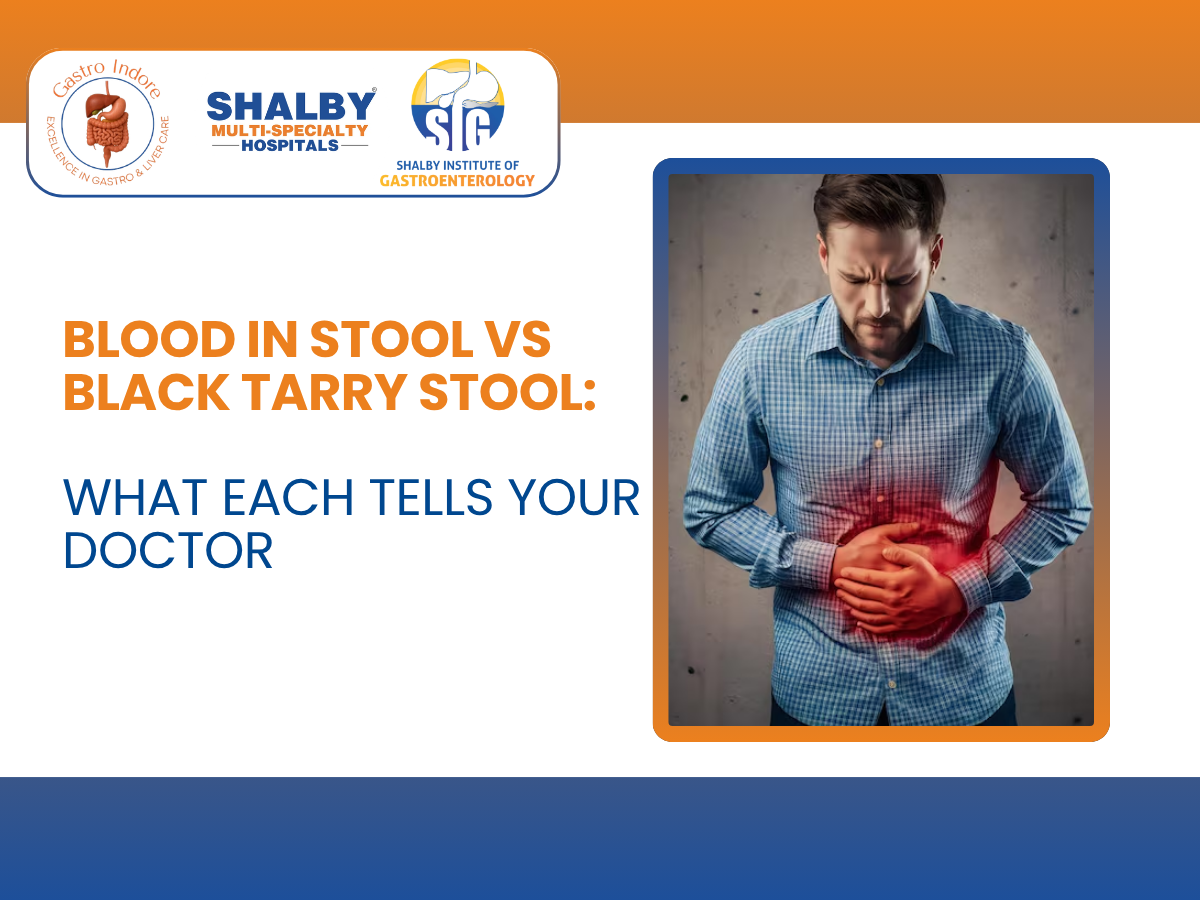
Noticing a change in the color or appearance of your stool can be alarming. Understanding the difference between blood in stool vs black tarry stool is critical because each type of change can point to very different problems inside your digestive tract. Some causes are minor and easily treated, while others require urgent medical care.
Whether you are experiencing bright red blood in stool or a dark, sticky bowel movement, your symptoms carry important diagnostic clues. This guide explains what each sign means, what causes it, and when you should see a gastroenterologist in Indore without delay.
What Is Blood in Stool? Understanding the Basics
Blood in stool, medically referred to as rectal bleeding or hematochezia when the blood is visibly red, is a sign that bleeding is occurring somewhere along the digestive tract. The color, consistency, and quantity of blood help doctors determine where exactly the bleeding originates.
Visible red blood typically indicates a problem in the lower digestive system, such as the colon, rectum, or anus. In contrast, black tarry stool, known medically as melena stool, usually signals bleeding higher up in the gastrointestinal tract, such as the stomach or esophagus.
Both conditions fall under the broader category of gastrointestinal bleeding symptoms, and neither should be ignored. Identifying the exact type and pattern of bleeding is the first step toward an accurate diagnosis.
Bright Red Blood in Stool: Causes and What It Signals
Bright red blood in stool is fresh blood that has not had time to be digested. It typically originates from the lower portion of the gastrointestinal tract. Seeing it in the toilet bowl, on toilet paper, or mixed into the stool itself can indicate several different conditions.
Common causes of bright red rectal bleeding include:
• Hemorrhoids (Piles): Swollen blood vessels inside or around the anus are one of the most frequent causes of bright red blood during or after a bowel movement.
• Anal Fissures: Small tears in the lining of the anus, often caused by passing hard stools, can produce sharp pain and visible bleeding.
• Colitis: Inflammation of the colon, including ulcerative colitis, can cause bloody diarrhea and abdominal cramping.
• Colorectal Polyps: Non-cancerous growths inside the colon can bleed intermittently. A colonoscopy is often needed to detect and remove them.
• Colorectal Cancer: Persistent or unexplained rectal bleeding in adults over 40 should always be evaluated to rule out colorectal cancer.
• Diverticulosis: Small pouches in the colon wall can rupture and cause sudden, painless, heavy rectal bleeding.
If you notice blood in poop regularly, or if even a single episode is accompanied by abdominal pain, dizziness, or weakness, you should seek rectal bleeding treatment in Indore as soon as possible.
Black Tarry Stool: What Melena Means and Why It Matters
Black tarry stool causes are usually rooted in the upper gastrointestinal tract. When blood is exposed to stomach acid and digestive enzymes during its journey through the gut, it changes from red to dark black. The resulting stool is sticky, has a foul smell, and is often described as looking like tar or motor oil.
Black stool meaning in a medical context is taken very seriously. It almost always requires investigation because the conditions that cause it can be life-threatening if not treated quickly.
Common causes of black tarry stool include:
• Peptic Ulcers: Open sores in the lining of the stomach or small intestine are a leading cause of upper GI bleeding and melena.
• Gastritis: Inflammation of the stomach lining can lead to slow bleeding that turns the stool dark.
• Esophageal Varices: Enlarged veins in the esophagus, often linked to liver disease, can rupture and cause significant upper GI bleeding.
• Mallory-Weiss Tear: A tear at the junction of the esophagus and stomach, sometimes caused by forceful vomiting, can produce dark stools.
• Stomach Cancer: Though less common, cancer of the stomach can cause slow internal bleeding that appears as melena.
It is important to note that not all stool color changes to black indicate bleeding. Iron supplements, bismuth-containing antacids, and certain foods like black licorice or blueberries can temporarily darken the stool. However, if you are unsure of the cause, always consult a digestive disease specialist in Indore
Blood in Stool vs Black Tarry Stool: A Side-by-Side Comparison
Understanding the key differences between these two types of stool changes can help you describe your symptoms more accurately to a doctor.
• Color: Bright red blood suggests lower GI bleeding. Black or very dark stool suggests upper GI bleeding.
• Consistency: Rectal bleeding may appear as separate blood. Black tarry stool is typically sticky and uniform in color.
• Odor: Melena stool has a distinct, often described as unusually foul smell. Rectal blood may not significantly alter odor.
• Associated Symptoms: Upper GI bleeding may come with nausea, vomiting blood, or dizziness. Lower GI bleeding is more often painless or associated with bowel discomfort.
• Urgency: Both require medical evaluation, but black tarry stool from an upper GI source often warrants faster emergency assessment.
When you describe your symptoms to a GI bleeding specialist in Indore, including the color, frequency, and any associated symptoms helps them reach a diagnosis faster and begin the right treatment.
How Doctors Diagnose Blood in Stool and Black Tarry Stool
A thorough evaluation by a best gastro doctor in Indore will typically involve a detailed medical history, physical examination, and targeted diagnostic tests. The goal is to identify the exact source and cause of the bleeding.
Common diagnostic investigations include:
• Blood Tests: To check for anemia, clotting disorders, or signs of infection or inflammation.
• Stool Tests: A fecal occult blood test can detect blood that is not visible to the naked eye.
• Endoscopy: A flexible camera is passed through the mouth to examine the esophagus, stomach, and upper small intestine.
• Colonoscopy in Indore: A colonoscope is inserted through the rectum to examine the entire colon and identify polyps, inflammation, cancer, or bleeding points.
• CT Angiography or Nuclear Scan: Used in cases of active, significant bleeding when the source cannot be easily identified through standard endoscopy.
Early and accurate diagnosis is the foundation of effective blood in stool treatment in Indore. The sooner a specialist identifies the source of bleeding, the sooner targeted treatment can begin.
When Is Blood in Stool a Medical Emergency?
Gastrointestinal bleeding symptoms range from mild and intermittent to severe and life-threatening. Knowing when to seek emergency care could save your life.
Seek immediate medical attention if you experience any of the following alongside bloody or black stools:
• Vomiting blood or material that resembles coffee grounds
• Dizziness, lightheadedness, or fainting
• Rapid or irregular heartbeat
• Severe abdominal pain or cramping
• Extreme weakness or pale skin
• Loss of consciousness
These signs suggest significant blood loss and require emergency intervention. Do not wait for symptoms to improve on their own. Contact a gastro doctor in Indore or go to the nearest emergency department immediately.
Trusted Medical References
The following authoritative sources provide additional information on gastrointestinal bleeding and related conditions:
• Mayo Clinic: Blood in Stool Symptoms and Causes
• American College of Gastroenterology: Gastrointestinal Bleeding Overview
• National Institute of Diabetes and Digestive and Kidney Diseases (NIDDK): GI Bleeding Information
FAQs: Blood in Stool vs Black Tarry Stool
1. What is the difference between blood in stool and black tarry stool?
Blood in stool and black tarry stool can indicate bleeding from different parts of the digestive tract. Bright red blood often suggests bleeding from the lower gastrointestinal tract, while black tarry stool may indicate bleeding from the upper digestive tract.
2. What causes bright red blood in the stool?
Bright red blood in the stool is commonly caused by conditions affecting the lower digestive tract. Common causes include:
• Hemorrhoids (piles)
• Anal fissures
• Colitis
• Polyps
• Colorectal cancer
3. What does black tarry stool mean?
Black tarry stool, also called melena, may indicate bleeding in the upper gastrointestinal tract. It can occur due to stomach ulcers, gastritis, or bleeding from the esophagus, and usually requires prompt medical evaluation.
4. Can certain foods make stool look black?
Yes, some foods and medications can cause black-colored stool without bleeding. Examples include:
• Iron supplements
• Bismuth-containing medications
• Black licorice
• Blueberries
If the cause is uncertain, consult a doctor.
5. Is blood in the stool always a sign of cancer?
No, blood in the stool is not always caused by cancer. Benign conditions such as hemorrhoids and anal fissures are common causes, but persistent or unexplained bleeding should always be evaluated.
6. When should I seek immediate medical attention for bloody stools?
Seek urgent medical care if stool bleeding is heavy or accompanied by concerning symptoms. Warning signs include:
• Dizziness or fainting
• Severe abdominal pain
• Vomiting blood
• Weakness or rapid heartbeat
7. How do doctors diagnose the cause of blood in stool?
Doctors diagnose the cause through medical history, examination, and diagnostic tests. Investigations may include blood tests, stool tests, endoscopy, or colonoscopy to identify the source of bleeding.
8. Can black tarry stool occur without visible blood?
Yes, black tarry stool often occurs without visible red blood because the blood has been digested. The stool typically appears dark, sticky, and has a characteristic odor.
9. Is blood in stool a medical emergency?
Blood in stool can range from minor to serious and should not be ignored. Persistent bleeding, large amounts of blood, or associated symptoms warrant immediate medical evaluation.
10. Which doctor should I consult for blood in stool?
A gastroenterologist is the appropriate specialist for evaluating blood in stool or black tarry stool. Early diagnosis can help identify the underlying cause and prevent complications.
Consult a GI Bleeding Specialist in Indore Today
Changes in stool color or the presence of blood should never be dismissed. At Gastro Indore, our experienced team provides expert evaluation and blood in stool treatment in Indore using the latest diagnostic tools, including colonoscopy in Indore and advanced endoscopy.
Whether you are dealing with bright red blood in stool, melena stool, or any other concerning gastrointestinal bleeding symptoms, our gastroenterologist in Indore is ready to help you get accurate answers and the right care.
Do not ignore the warning signs. Book your appointment with the Best Gastro Doctor in Indore today.
Contact Gastro Indore now and take the first step toward a clear diagnosis and a healthier digestive system.