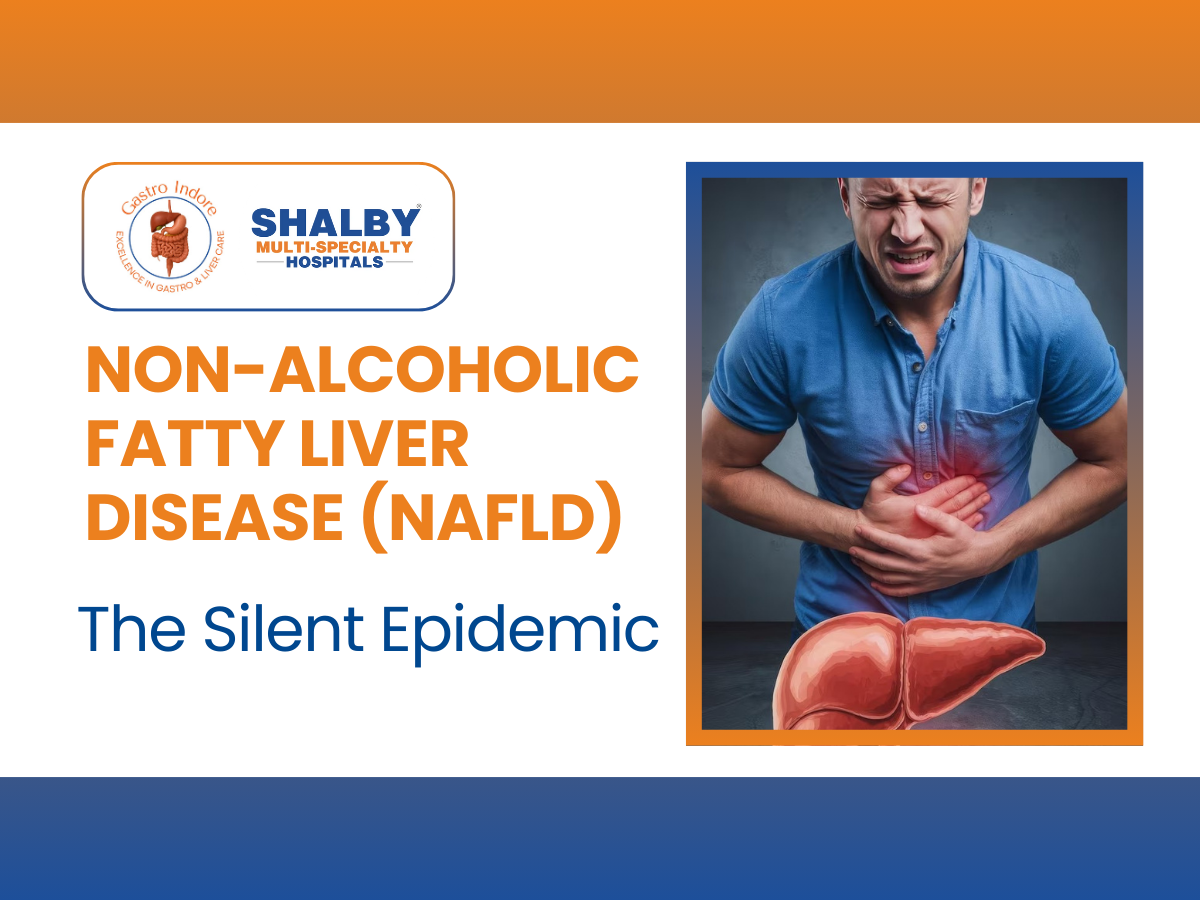

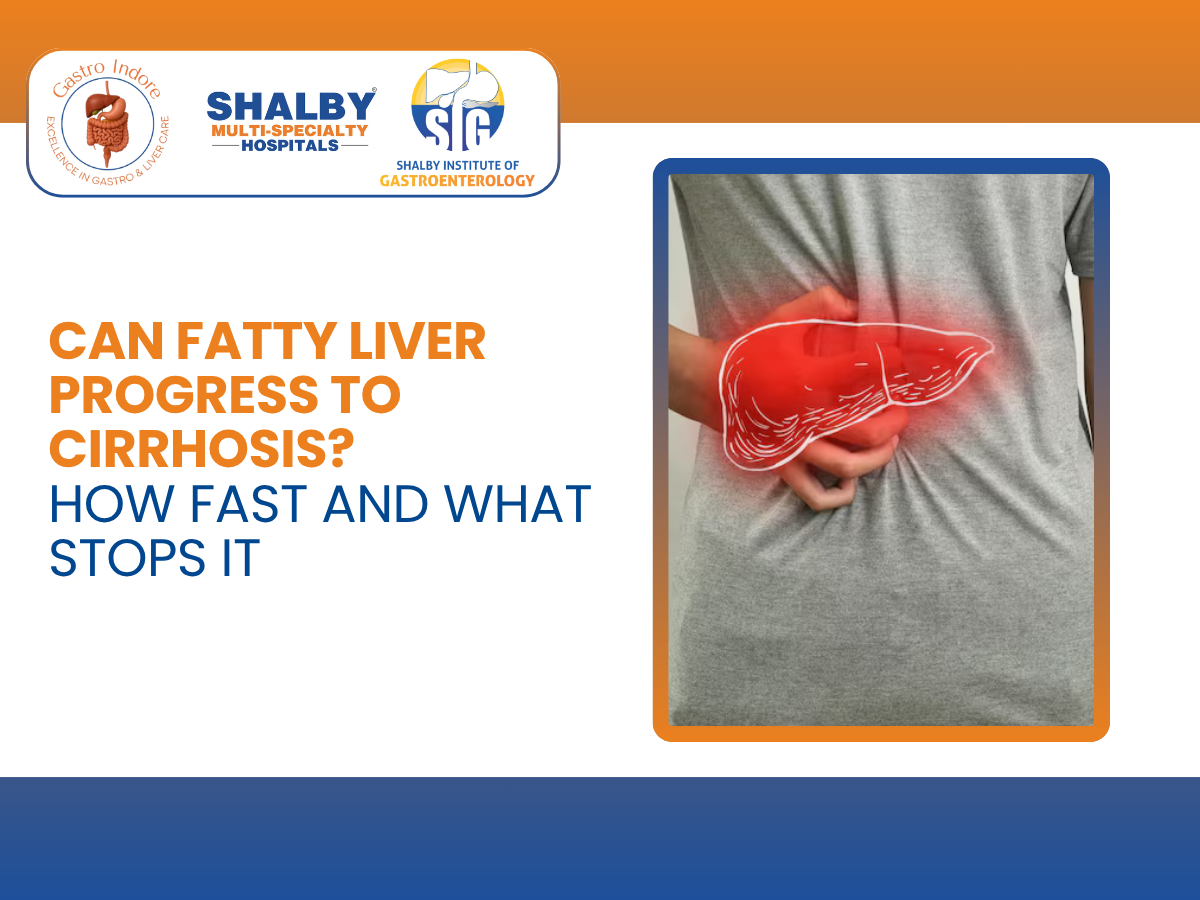
Fatty liver disease is one of the most common liver conditions in India today, affecting millions of people across all age groups. Many patients are told they have fatty liver on an ultrasound and wonder: will this ever become something serious?
The short answer is yes, it can, but it does not have to. Understanding how fatty liver treatment in Indore works, how quickly the disease can advance, and what genuinely stops it from becoming liver cirrhosis can save your liver and your life.
At Gastro Indore, our team of experienced liver specialists for fatty liver and gastroenterologists for fatty liver sees this question every single day. This guide answers it clearly, honestly, and with practical steps you can start right now, including guidance on the Liver Cirrhosis Diet What to Eat and Strictly Avoid at Each Stage.
What Is Fatty Liver Disease and Why Does It Matter?
Fatty liver, also called hepatic steatosis, happens when fat makes up more than 5% of your liver’s total weight. There are two main types:
- Non-alcoholic fatty liver disease (NAFLD) linked to obesity, diabetes, and high cholesterol
- Alcoholic fatty liver disease (AFLD) caused by regular or excessive alcohol use
On its own, simple fatty liver rarely causes serious harm. The real danger comes when fat triggers inflammation. Once inflammation begins, the liver starts scarring, and that scar tissue builds up over time into the condition known as cirrhosis.
Consulting a fatty liver doctor near me or a hepatologist near me early makes a measurable difference to where your liver ends up five or ten years from now.
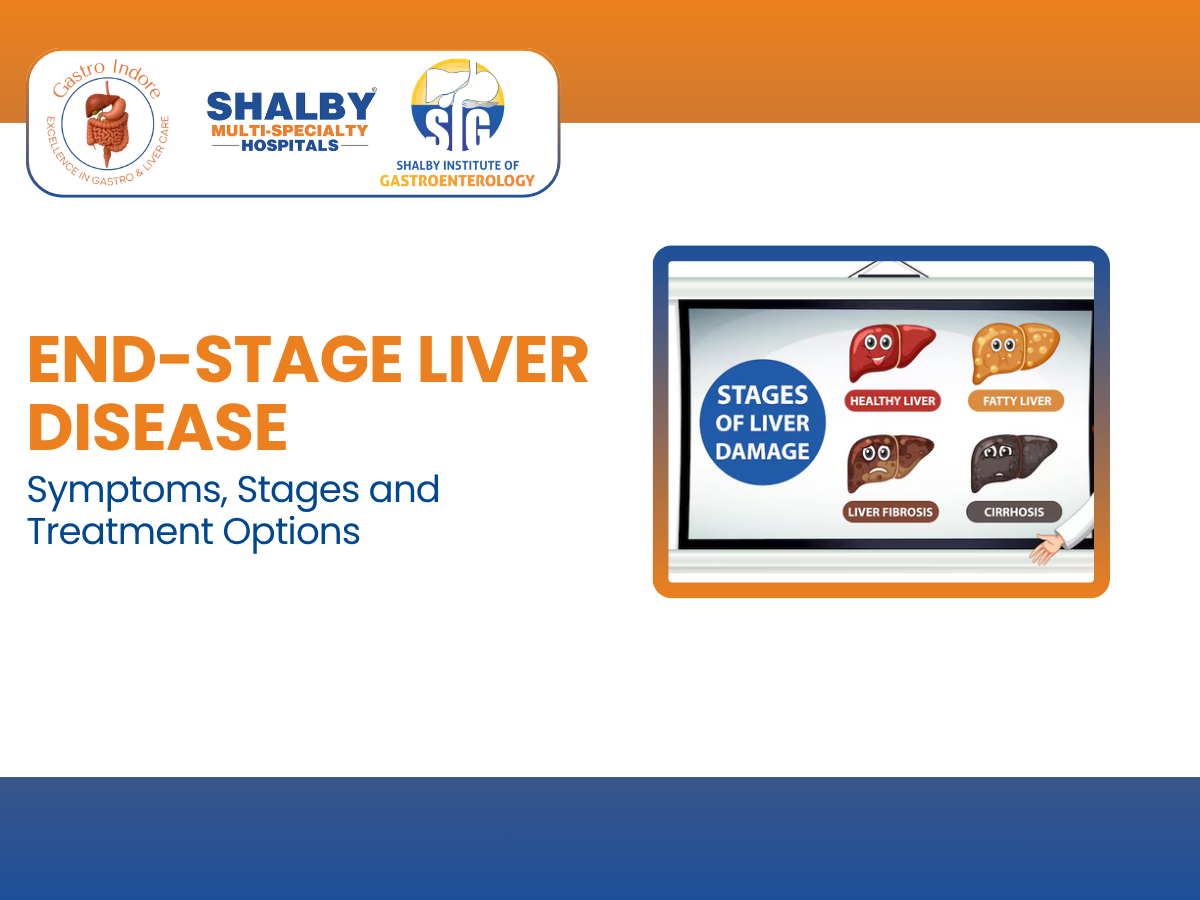
The Four Stages of Fatty Liver Disease Before Liver Cirrhosis
Fatty liver disease does not jump straight to cirrhosis. It moves through a predictable sequence that gives you multiple opportunities to intervene with the right fatty liver disease treatment.
| Stage | What Is Happening | Reversible? |
| Stage 1 Simple Steatosis | Fat accumulates in liver cells. No inflammation yet. | Yes, fully reversible |
| Stage 2 Steatohepatitis (NASH/ASH) | Fat plus inflammation damages liver cells. | Largely reversible with treatment |
| Stage 3 Liver Fibrosis | Scar tissue begins to form inside the liver. | Partially reversible in early fibrosis |
| Stage 4 Liver Cirrhosis | Widespread scarring disrupts liver function. | Not reversible; manageable |
Knowing which stage you are in requires proper testing. A best doctor for fatty liver will use blood tests, ultrasound, FibroScan, or a liver biopsy to determine your exact stage.
How Fast Can Fatty Liver Turn Into Cirrhosis?
There is no single timeline that applies to everyone. In most cases, progression from simple fatty liver to cirrhosis takes between 10 and 20 years. However, some individuals with specific risk factors can progress in as little as 5 years.
The speed of progression depends on several key factors:
- Uncontrolled type 2 diabetes or insulin resistance
- Severe obesity, particularly excess fat around the abdomen
- High triglycerides and LDL cholesterol
- Continued alcohol use in any form
- Co-existing viral hepatitis (hepatitis B or C)
- Genetic predisposition to liver inflammation
- Poor diet high in ultra-processed foods and sugar
A person who addresses all these risk factors with help from a liver doctor near me can slow or completely halt disease progression. A person who ignores them may progress much faster than average.
Warning Signs That Fatty Liver Is Getting Worse
One of the most dangerous aspects of fatty liver disease is that it is often completely silent in its early and middle stages. Many people feel perfectly well even as scarring progresses.
Watch for these warning signs, which may indicate the disease is advancing:
- Persistent tiredness or fatigue that does not improve with rest
- Dull aching or heaviness in the upper right side of the abdomen
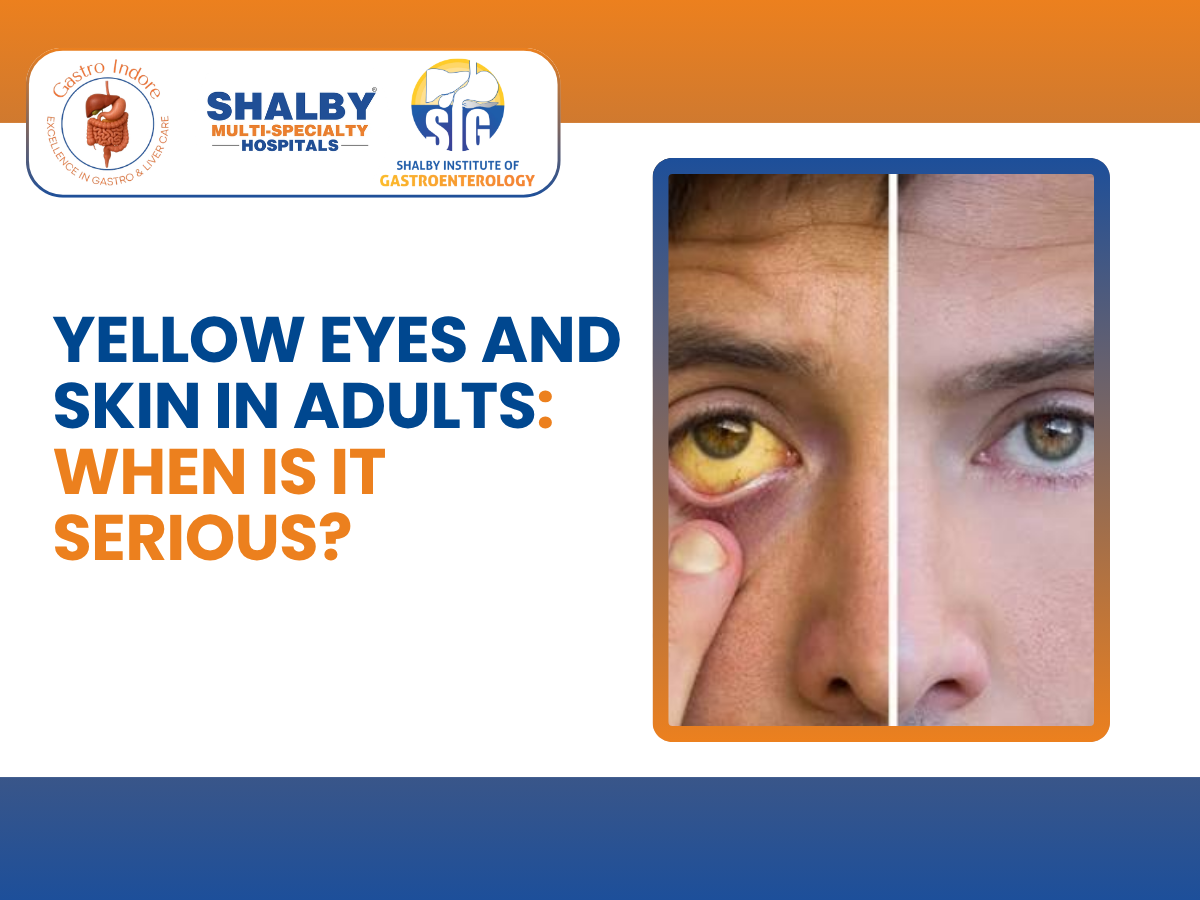
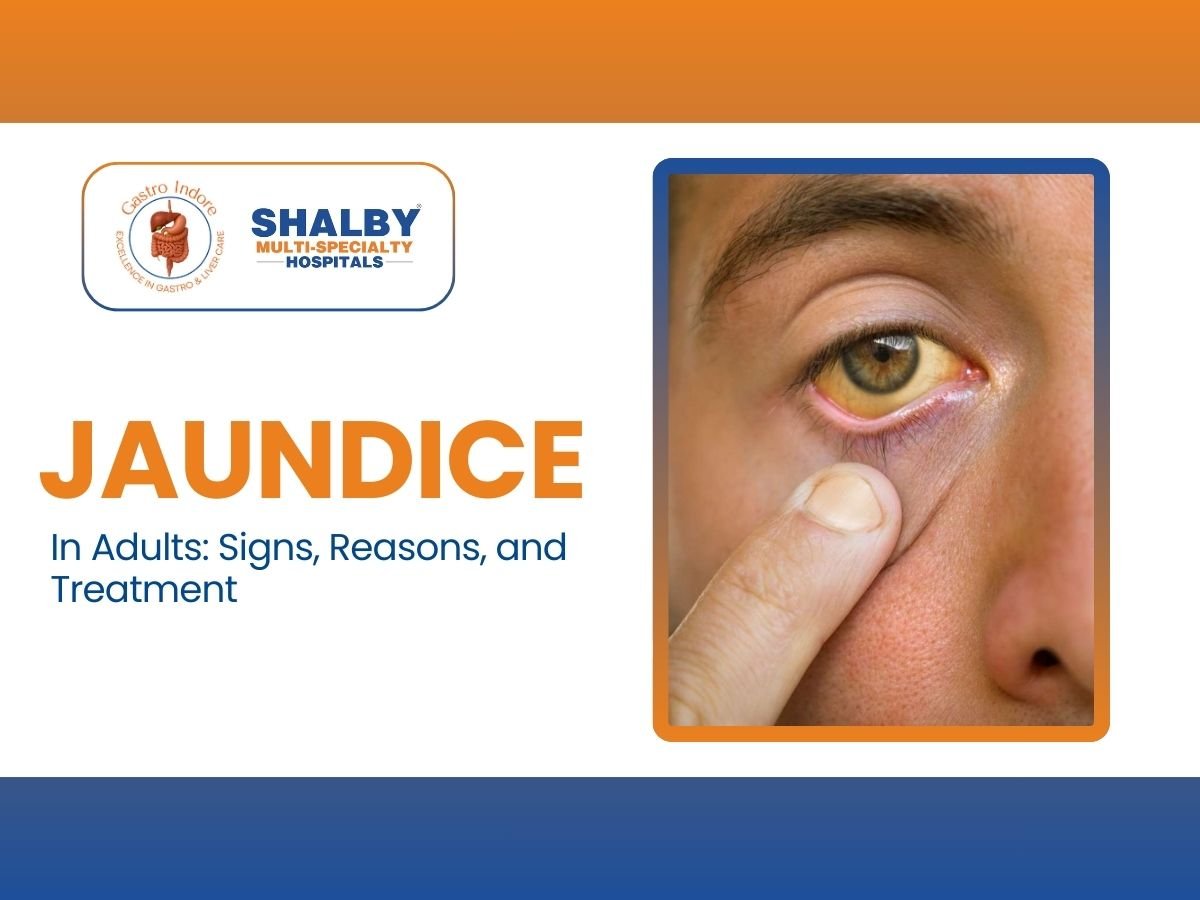
- Yellowing of the skin or eyes (jaundice)
- Swelling in the abdomen or legs
- Unexplained weight loss
- Itchy skin without an obvious cause
- Dark urine or pale, clay-coloured stools
If you notice any of these symptoms, see a fatty liver specialist near me or a gastroenterologist for fatty liver without delay. Early action at this point can still make a significant difference.
What Stops Fatty Liver from Progressing to Cirrhosis? Proven Fatty Liver Treatment Strategies
The good news is that multiple proven strategies can halt the progression of fatty liver disease. The best liver specialist near me will typically recommend a combination of lifestyle changes and medical management.
Lose Weight Steadily and Safely
Even a 5 to 10% reduction in body weight can significantly reduce liver fat and inflammation. Rapid crash diets, however, can stress the liver further. A slow, steady approach guided by your best doctor for fatty liver is always safer and more effective.
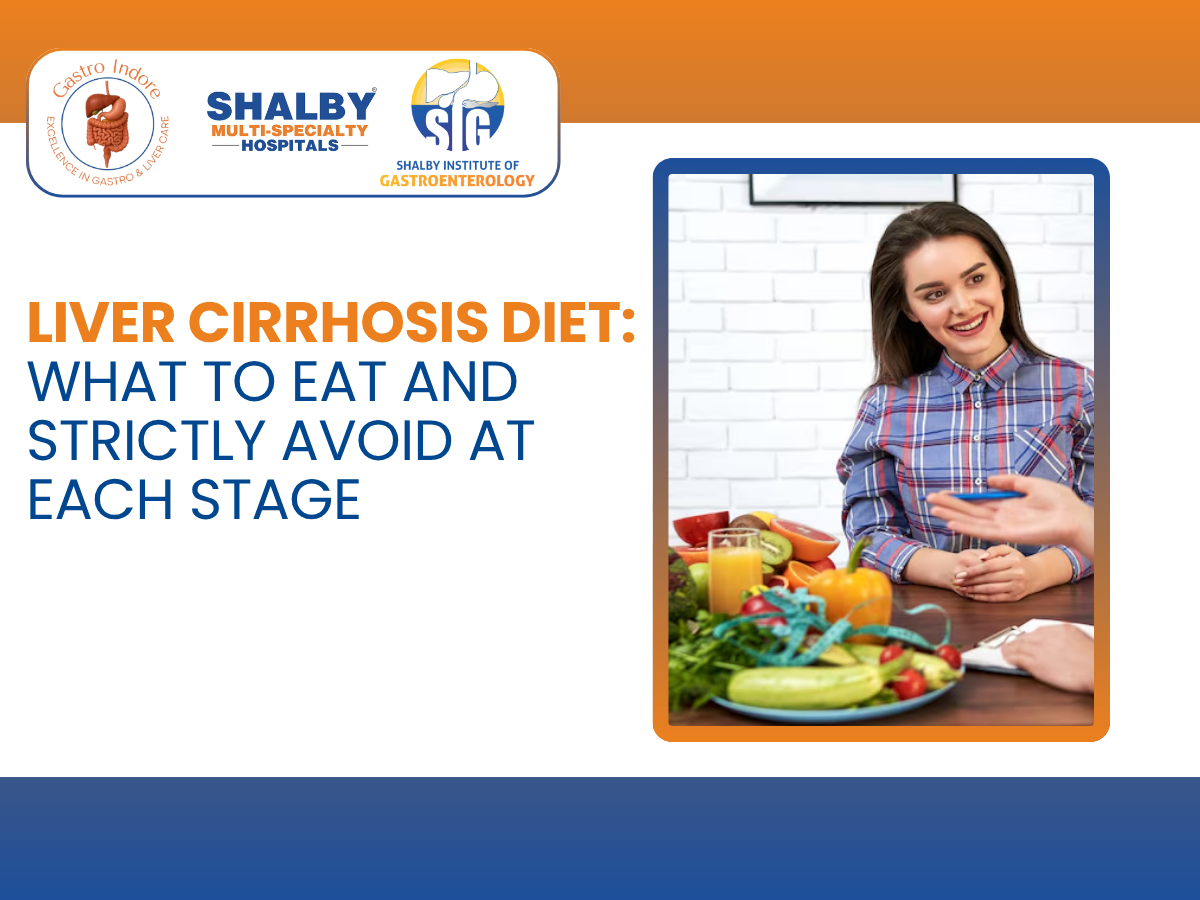
Follow the Right Diet Liver Cirrhosis Diet What to Eat and Strictly Avoid at Each Stage
Diet is one of the most powerful tools available. Knowing the Liver Cirrhosis Diet What to Eat and Strictly Avoid at Each Stage is essential for protecting your liver at every point in your journey.
Foods that support liver health:
- Leafy green vegetables (spinach, fenugreek, kale)
- Whole grains (oats, brown rice, millets)
- Fruits rich in antioxidants (berries, papaya, guava)
- Lean proteins (pulses, legumes, fish, eggs in moderation)
- Healthy fats (walnuts, flaxseed, olive oil)
- Coffee without added sugar (evidence supports liver-protective effects)
Foods to strictly avoid at each stage:
- Sugary beverages including sodas, packaged juices, and energy drinks
- Refined carbohydrates such as white bread, white rice, and maida
- Trans fats found in fried snacks, biscuits, and fast food
- Alcohol in any quantity
- High-sodium processed foods that worsen fluid retention in advanced disease
- Red and processed meats in excess
As disease advances to cirrhosis, additional dietary restrictions apply, including limiting protein in some cases of hepatic encephalopathy. This is why getting personalised guidance on the Liver Cirrhosis Diet What to Eat and Strictly Avoid at Each Stage from a specialist matters enormously.
Exercise Regularly
Both aerobic exercise (walking, swimming, cycling) and resistance training have been shown to reduce liver fat independently of weight loss. Aim for at least 150 minutes of moderate exercise per week.
Control Diabetes and Cholesterol
Poorly controlled blood sugar and high lipid levels are direct drivers of liver inflammation. Medications prescribed by your fatty liver doctor to manage these conditions also protect your liver.
Avoid All Alcohol
There is no safe level of alcohol for a person with fatty liver disease. Complete abstinence is the single most important step for those with alcoholic fatty liver disease, and it is strongly recommended for those with NAFLD as well.
Take Medications as Prescribed
Some patients with NASH benefit from specific medications to reduce liver inflammation and fibrosis. A hepatologist near me or gastroenterologist for fatty liver will assess whether medication is appropriate for your individual case.
When to See a Liver Specialist for Fatty Liver
You should consult a specialist if:
- Your blood tests show elevated liver enzymes (ALT or AST)
- An ultrasound has confirmed fatty liver
- You have diabetes, obesity, or metabolic syndrome
- You drink alcohol regularly and have been told your liver is affected
- You are experiencing any of the warning symptoms listed above
The best liver specialist near me will carry out a thorough assessment, stage your disease accurately, and create a treatment for fatty liver plan tailored specifically to you.
FAQs About Fatty Liver and Liver Cirrhosis
1. Can fatty liver disease progress to liver cirrhosis?
Yes, fatty liver disease can progress to liver cirrhosis if left untreated. While many people with fatty liver never develop cirrhosis, some may progress from simple fatty liver to inflammation and scarring over several years, especially if risk factors are not controlled.
2. How long does it take for fatty liver to turn into cirrhosis?
The progression from fatty liver to cirrhosis usually occurs over years or even decades. The speed varies depending on factors such as obesity, diabetes, alcohol use, viral hepatitis, and lifestyle habits. Early intervention can significantly slow or stop disease progression.
3. What are the stages of fatty liver disease before cirrhosis?
Fatty liver disease typically progresses through several stages before cirrhosis develops:
- Simple fatty liver (steatosis)
- Fatty liver with inflammation (steatohepatitis)
- Liver fibrosis (scarring)
- Liver cirrhosis
4. What increases the risk of fatty liver progressing to cirrhosis?
Obesity, diabetes, high cholesterol, and excessive alcohol intake increase the risk of progression to cirrhosis. Poor dietary habits and untreated liver inflammation can also accelerate liver damage over time.
5. Can fatty liver be reversed before it becomes cirrhosis?
Yes, fatty liver is often reversible in its early stages through lifestyle changes and proper fatty liver disease treatment. Weight loss, a healthy diet following the Liver Cirrhosis Diet What to Eat and Strictly Avoid at Each Stage, regular exercise, and controlling blood sugar levels can improve liver health and reduce fat accumulation.
6. What can stop fatty liver from progressing to cirrhosis?
Managing the underlying cause is the best way to prevent fatty liver from progressing to cirrhosis. Important measures include:
- Maintaining a healthy weight
- Exercising regularly
- Avoiding alcohol completely
- Controlling diabetes and cholesterol
- Following medical advice from a gastroenterologist for fatty liver
7. What are the warning signs that fatty liver is becoming serious?
Persistent fatigue, jaundice, abdominal swelling, and unexplained weight loss may indicate advanced liver disease. Many patients have no symptoms in the early stages, making regular check-ups and liver tests with a liver doctor near me very important.
8. Which foods help prevent fatty liver from worsening?
A diet rich in fruits, vegetables, whole grains, and lean proteins supports liver health. Limiting sugary beverages, processed foods, and saturated fats can help reduce liver fat and inflammation. Following the Liver Cirrhosis Diet What to Eat and Strictly Avoid at Each Stage is especially helpful as disease progresses.
9. Can non-alcoholic fatty liver disease (NAFLD) lead to cirrhosis?
Yes, non-alcoholic fatty liver disease can progress to cirrhosis in some individuals. Patients with non-alcoholic steatohepatitis (NASH), diabetes, or obesity have a higher risk of developing advanced liver scarring and should see a fatty liver specialist near me promptly.
10. When should I consult a fatty liver doctor?
Consult a gastroenterologist for fatty liver if you have abnormal liver tests, fatty liver on ultrasound, or symptoms of liver disease. Early diagnosis and treatment for fatty liver can help prevent complications such as fibrosis and liver cirrhosis.
Concerned About Your Liver? Talk to a Specialist Today
Do not wait for symptoms to appear. Our team of expert liver specialists and gastroenterologists for fatty liver Near me at Gastro Indore is here to assess your liver health, stage your condition accurately, and build a personalised fatty liver treatment plan just for you.
Book Your Liver Consultation Now