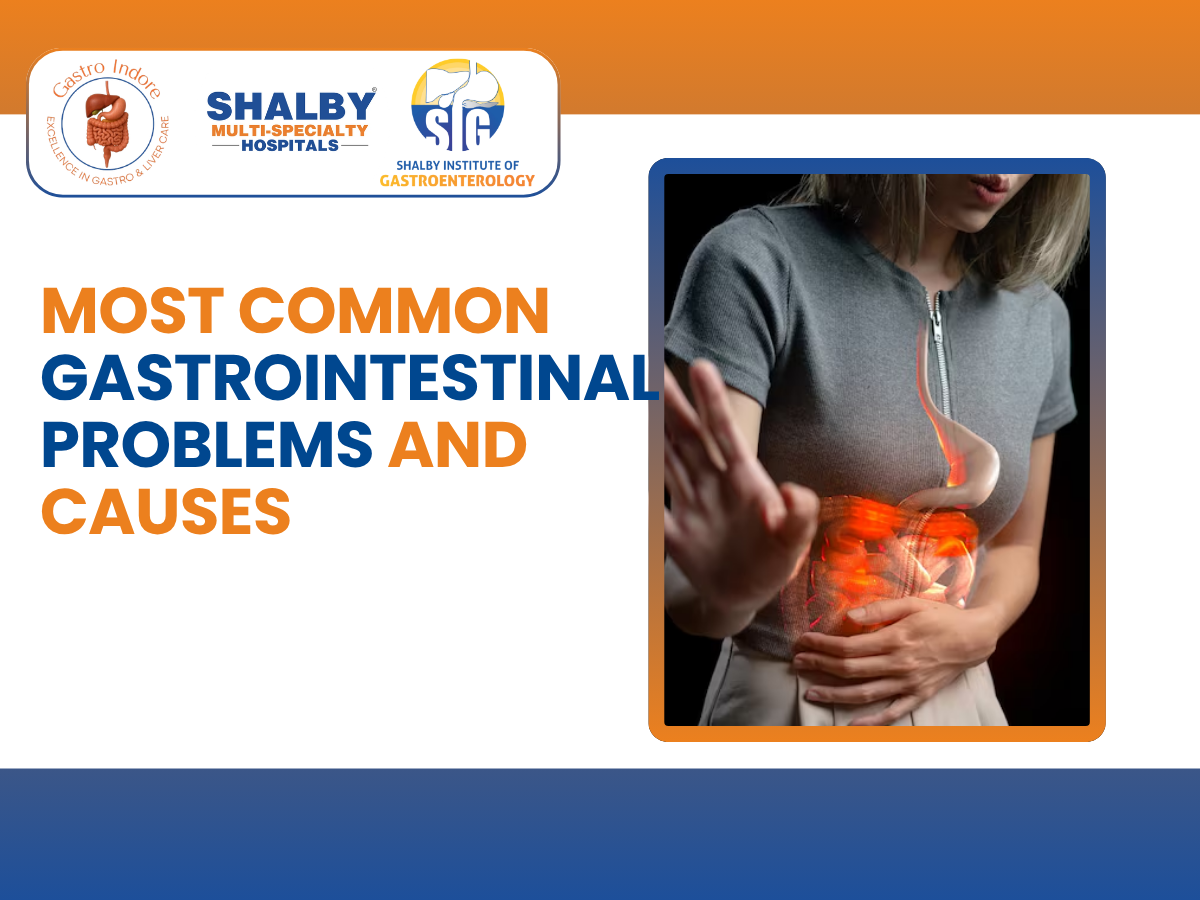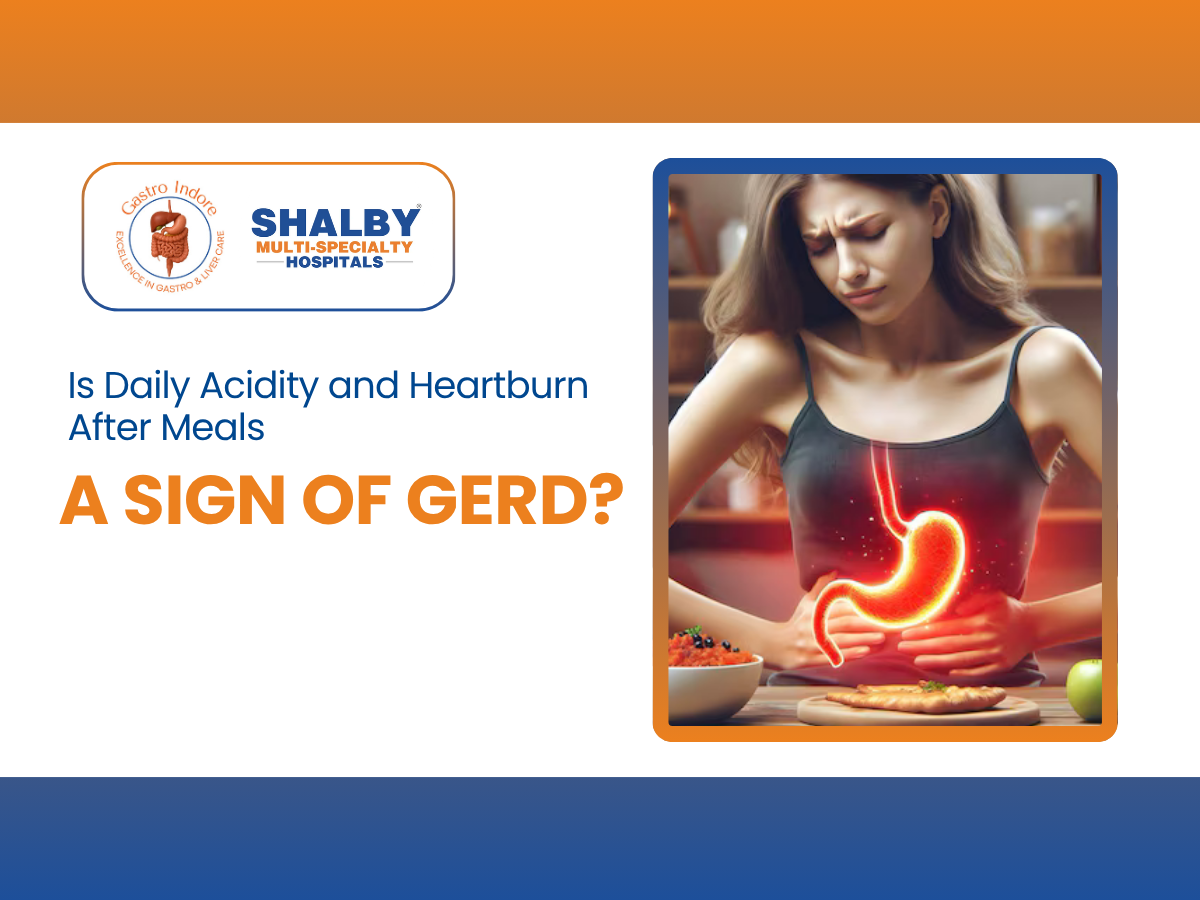


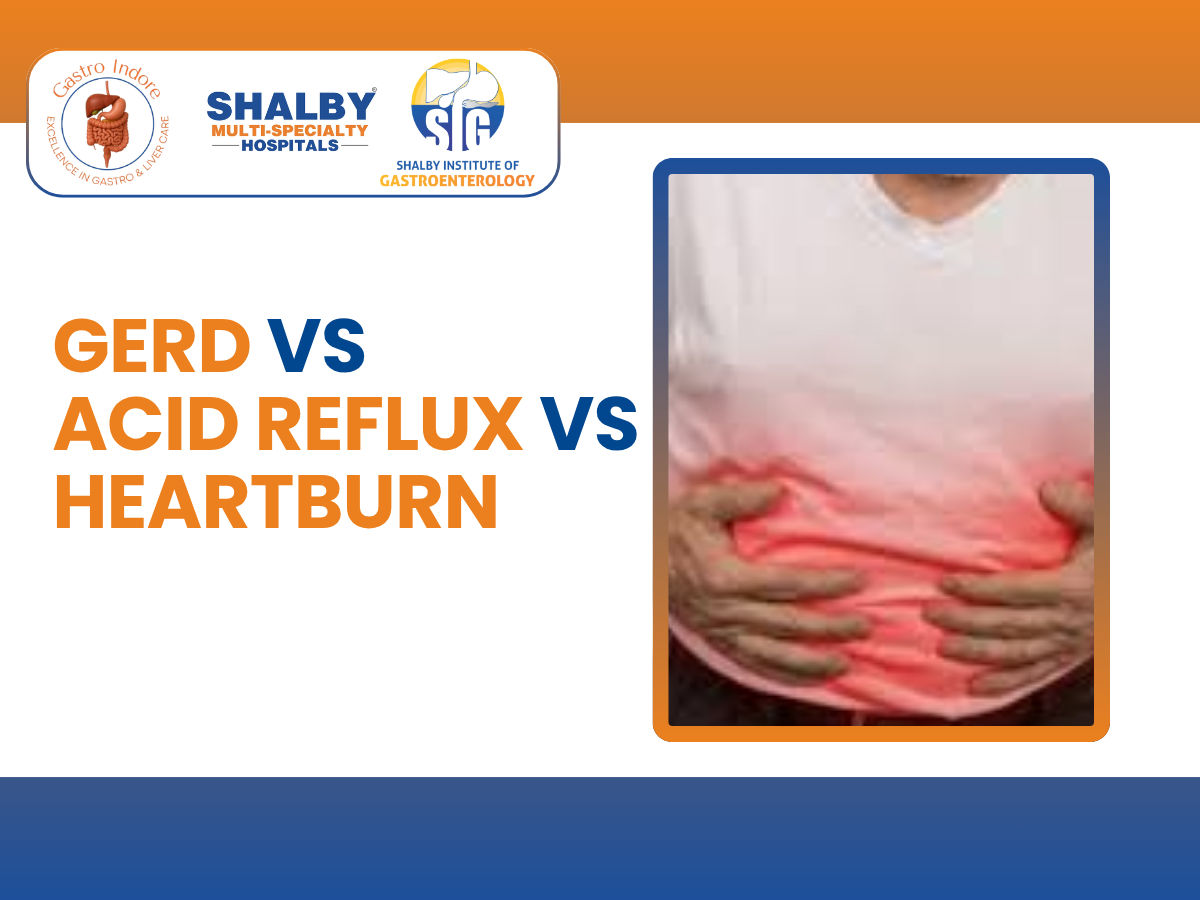
Most people use GERD, acid reflux, and heartburn interchangeably. But these three terms actually describe different things, and mixing them up can delay the right treatment.
If you have been dealing with chest burning, sour taste, or discomfort after meals, understanding the differences can help you take the right next step. This guide breaks it all down in simple, clear language.
What Is Acid Reflux?
Acid reflux is the physical process of stomach acid flowing backward into the esophagus (the food pipe connecting your mouth to your stomach). This happens when the lower esophageal sphincter (LES), a valve-like muscle at the bottom of the esophagus, relaxes or weakens at the wrong time.
Common triggers of acid reflux include:
- Eating large or heavy meals
- Lying down soon after eating
- Consuming spicy, fatty, or acidic foods
- Drinking alcohol or caffeine
- Smoking
- Being overweight or obese
Occasional acid reflux is very common and not necessarily a cause for concern. Most people experience it at some point in their lives.
What Is Heartburn?
Heartburn is not a disease. It is a symptom of acid reflux.
When stomach acid irritates the lining of the esophagus, it creates a burning sensation in the chest or throat. This is what people call heartburn. Despite the name, heartburn has nothing to do with the heart.
Signs of heartburn include:
- A burning feeling in the chest, often after eating
- A sour or bitter taste in the mouth or throat
- Discomfort that worsens when lying down or bending over
- A feeling of food coming back up
Occasional heartburn after a spicy meal or a large dinner is normal. But when it becomes frequent, that is when the issue may be something more serious.
What Is GERD?
GERD (Gastroesophageal Reflux Disease) is a chronic, long-term form of acid reflux. It is diagnosed when acid reflux and its symptoms, such as heartburn, occur regularly, typically more than twice a week.
GERD is a medical condition that requires attention. Left untreated, it can damage the esophageal lining over time and lead to complications such as:
- Esophagitis (inflammation of the esophagus)
- Esophageal ulcers
- Strictures (narrowing of the esophagus that makes swallowing difficult)
- Barrett’s esophagus, a condition that increases the risk of esophageal cancer
GERD vs Acid Reflux vs Heartburn: Key Differences
Here is a simple comparison to understand how these three are related but distinct:
| Term | What It Is | How Often It Happens |
| Acid Reflux | The process of stomach acid flowing into the esophagus | Occasionally (everyone experiences it) |
| Heartburn | A burning chest symptom caused by acid reflux | Occasional to frequent |
| GERD | A chronic disease caused by frequent acid reflux | More than twice a week, ongoing |
Think of it this way: acid reflux is the cause, heartburn is a symptom, and GERD is what happens when the problem becomes chronic and persistent.
When Does Acid Reflux Become GERD?
This is one of the most important questions people ask when they visit a gastroenterologist for acid reflux in Indore.
Acid reflux becomes GERD when:
- Symptoms occur more than two times per week
- Over-the-counter antacids no longer provide lasting relief
- Symptoms interfere with daily activities or sleep
- You develop complications such as difficulty swallowing or unexplained weight loss
Not everyone with GERD will have classic heartburn. Some people experience what is called “silent GERD,” where symptoms include chronic cough, hoarseness, throat clearing, or a lump-like feeling in the throat, with little or no chest burning.
Common Symptoms of GERD to Watch For
While heartburn is the most well-known symptom of GERD, there are several others that people often overlook:
- Regurgitation of food or sour liquid
- Difficulty or painful swallowing (dysphagia)
- Chest pain (not related to the heart)
- Chronic dry cough
- Hoarseness or voice changes
- Sensation of a lump in the throat
- Worsening symptoms at night or when lying flat
If you are experiencing several of these symptoms regularly, it is time to speak with a GERD specialist near me in Indore for a proper evaluation.
How Is GERD Diagnosed and Treated?
A best GERD doctor in Indore will assess your symptoms, medical history, and lifestyle before recommending tests or treatment. Common diagnostic tools include:
- Upper GI endoscopy to examine the esophagus and stomach lining
- Ambulatory pH monitoring to measure acid levels over 24 hours
- Esophageal manometry to assess muscle function
- Barium swallow X-ray for structural evaluation
Treatment Options for GERD
GERD treatment in Indore typically follows a step-by-step approach:
1. Lifestyle Changes
- Eat smaller, more frequent meals
- Avoid lying down within 2 to 3 hours after eating
- Elevate the head of your bed by 6 to 8 inches
- Lose excess weight
- Avoid known trigger foods and beverages
2. Medications
- Antacids for quick symptom relief
- H2 receptor blockers to reduce acid production
- Proton pump inhibitors (PPIs) for long-term acid suppression
3. Surgical or Endoscopic Treatment For patients who do not respond to medication, a gastro treatment for acid reflux and heartburn in Indore may recommend procedures such as Nissen fundoplication or LINX device placement to strengthen the LES.
When Should You See a Doctor?
You should consult a heartburn specialist in Indore or a gastro doctor near me in Indore if:
- Heartburn occurs two or more times per week
- Symptoms persist despite taking antacids
- You have difficulty or pain while swallowing
- You notice unexplained weight loss
- You experience vomiting of blood or pass dark stools
- You have a chronic cough or hoarseness that does not resolve
Do not ignore these signs. Early evaluation by a qualified GERD specialist near me in Indore can prevent serious long-term complications.
Why Choose Gastro Indore for GERD and Acid Reflux Care?
At Gastro Indore, our experienced gastroenterologists specialize in diagnosing and managing conditions like GERD, acid reflux, and related digestive disorders. We use advanced diagnostic technology and evidence-based treatment protocols to deliver lasting relief.
Whether you are dealing with occasional heartburn or a confirmed diagnosis of GERD, our team is here to guide you with personalized, compassionate care.
Acid reflux treatment in Indore does not have to be complicated. With the right guidance, most patients see significant improvement in their quality of life.
FAQs About GERD vs Acid Reflux vs Heartburn
1. Are GERD, acid reflux, and heartburn the same thing?
No, GERD, acid reflux, and heartburn are related but not the same. Acid reflux is the backward flow of stomach acid into the esophagus, heartburn is a symptom of acid reflux, and GERD is a chronic form of acid reflux that occurs frequently.
2. What is acid reflux?
Acid reflux occurs when stomach acid flows back into the food pipe (esophagus). It can cause symptoms such as a sour taste in the mouth, regurgitation, and burning discomfort in the chest, especially after meals or while lying down.
3. What is heartburn?
Heartburn is a symptom, not a disease. It is characterized by a burning sensation in the chest or throat caused by stomach acid irritating the esophagus. Occasional heartburn is common, but frequent episodes may indicate GERD.
4. What is GERD?
GERD (Gastroesophageal Reflux Disease) is a chronic condition in which acid reflux occurs repeatedly. If symptoms occur more than twice a week or interfere with daily life, medical evaluation may be necessary to prevent complications.
5. How can I tell if I have GERD instead of occasional acid reflux?
Frequent or persistent symptoms are more suggestive of GERD than occasional acid reflux. Signs of GERD may include:
- Heartburn several times a week
- Difficulty swallowing
- Chronic cough
- Hoarseness or sore throat
- Nighttime reflux symptoms
6. Can heartburn occur without GERD?
Yes, heartburn can occur without GERD. Many people experience occasional heartburn after eating spicy, fatty, or acidic foods. However, recurrent heartburn may be a sign of underlying GERD.
7. What causes acid reflux and GERD?
Acid reflux and GERD can result from a weakened lower esophageal sphincter (LES). Common triggers include large meals, obesity, smoking, alcohol consumption, and certain foods and medications.
8. Can GERD lead to complications if left untreated?
Yes, untreated GERD can cause complications over time. Chronic acid exposure may lead to esophagitis, ulcers, narrowing of the esophagus, or conditions such as Barrett’s esophagus.
9. How are GERD and acid reflux diagnosed?
Doctors diagnose GERD based on symptoms, medical history, and tests when needed. Diagnostic tools may include upper GI endoscopy, pH monitoring, or imaging studies to assess esophageal damage.
10. When should I consult a doctor for heartburn or acid reflux?
Consult a doctor if you experience frequent heartburn, difficulty swallowing, unexplained weight loss, or symptoms that persist despite lifestyle changes. Early evaluation can help identify GERD and prevent long-term complications.
Take the First Step Toward Relief
If you are experiencing frequent heartburn, chest discomfort, or symptoms that feel like more than just an upset stomach, do not wait.
Book your consultation with Gastro Indore today. Our expert team will evaluate your symptoms, confirm whether you have acid reflux or GERD, and create a treatment plan that works for you.
Call us now or fill out our online appointment form to connect with the best GERD doctor in Indore near me . Early treatment makes a real difference.