

Liver disease can kill you. That is not meant to frighten you it is meant to make you act before it is too late.
Your liver performs over 500 functions every single day: filtering toxins from your blood, producing proteins that help your blood clot, regulating blood sugar, and processing every medication you take. When it begins to fail silently, gradually, with almost no warning the consequences can cascade through your entire body within weeks.
At Gastro Indore, we see patients who ignored subtle warning signs for months or even years. By the time severe symptoms appear, many are already in advanced liver failure. This guide is written to change that pattern for you.
What Happens Inside Your Body When Liver Disease Progresses
The liver is extraordinary in one specific way: it can regenerate. Lose up to 70% of its mass, and it will regrow. This is both a gift and a trap because it means liver disease can destroy tissue silently for years before you feel anything.
Here is what happens at each stage:
The 5 Liver Failure Stages You Must Know
Understanding liver failure stages is the difference between catching this disease early and arriving at a hospital in crisis.
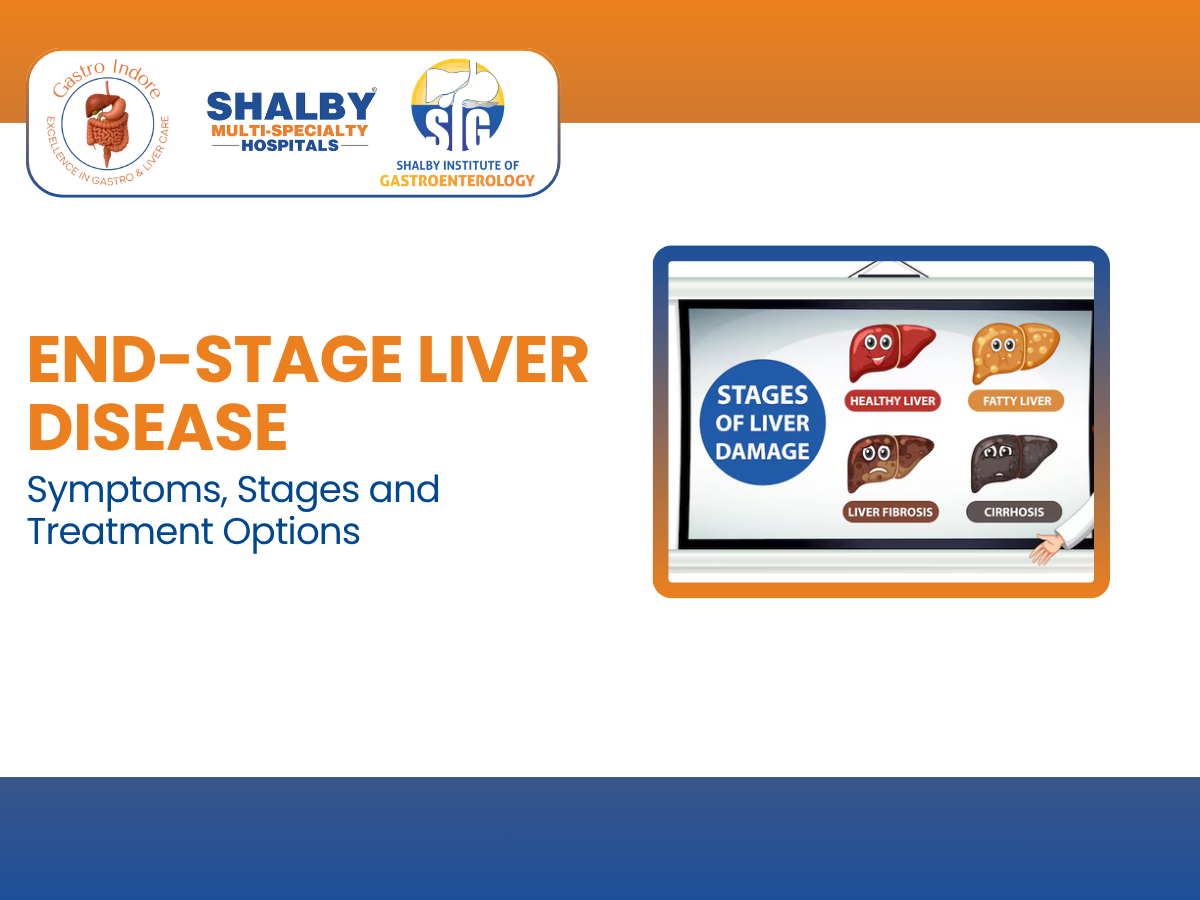
Stage 1: Fatty Liver (Steatosis)
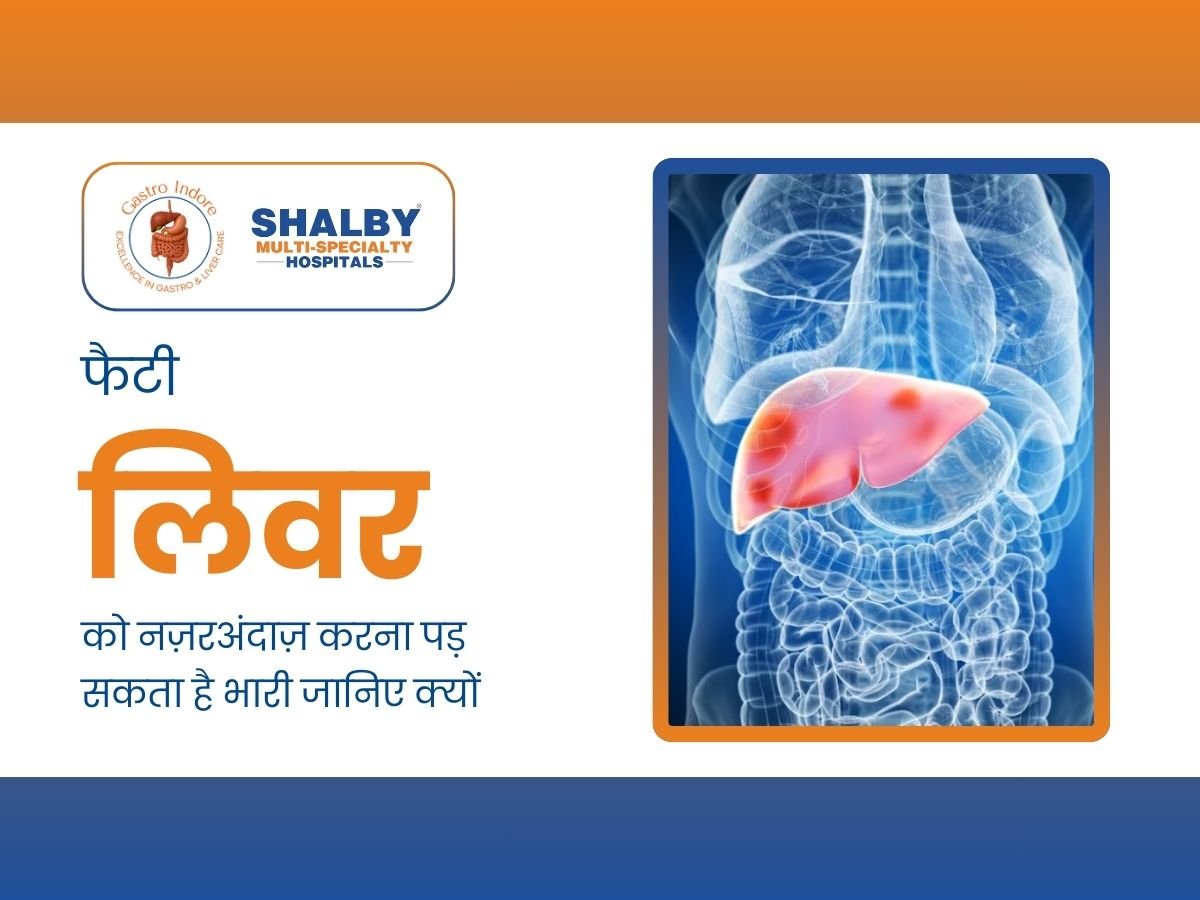
Fat accumulates in liver cells often due to alcohol, obesity, diabetes, or a diet high in refined carbohydrates. At this stage, the liver is still fully functional, and the condition is completely reversible with the right lifestyle changes.
Most people feel nothing. No pain. No fatigue. No jaundice. That is why getting checked early matters a simple ultrasound or blood test can catch Stage 1.
Indore context: In our region, the combination of high-carbohydrate diets, increasing alcohol consumption, and rising rates of Type 2 diabetes makes fatty liver disease extraordinarily common. If you have any of these risk factors, do not wait for symptoms. Read more about fatty liver risks here.
Stage 2: Hepatitis (Liver Inflammation)
The liver becomes inflamed from viral hepatitis (B or C), sustained alcohol abuse, medications, or autoimmune attack. Inflamed liver cells die. If the trigger is removed quickly, recovery is possible. If it persists, damage accumulates.
You may feel mild fatigue, occasional nausea, or discomfort in your upper right abdomen. Or nothing at all. Learn about the early symptoms of hepatitis infection and when to get tested.
Stage 3: Fibrosis (Scarring Begins)
Dead liver cells are replaced by scar tissue rigid, non-functional connective tissue. The liver can still perform most of its functions at this stage, but the clock is ticking. Fibrosis is the last stage where reversal is genuinely possible with aggressive treatment.
This is where a FibroScan (transient elastography) becomes critical. It measures liver stiffness without a biopsy and can detect fibrosis years before cirrhosis sets in.
Stage 4: Cirrhosis (Advanced Scarring)
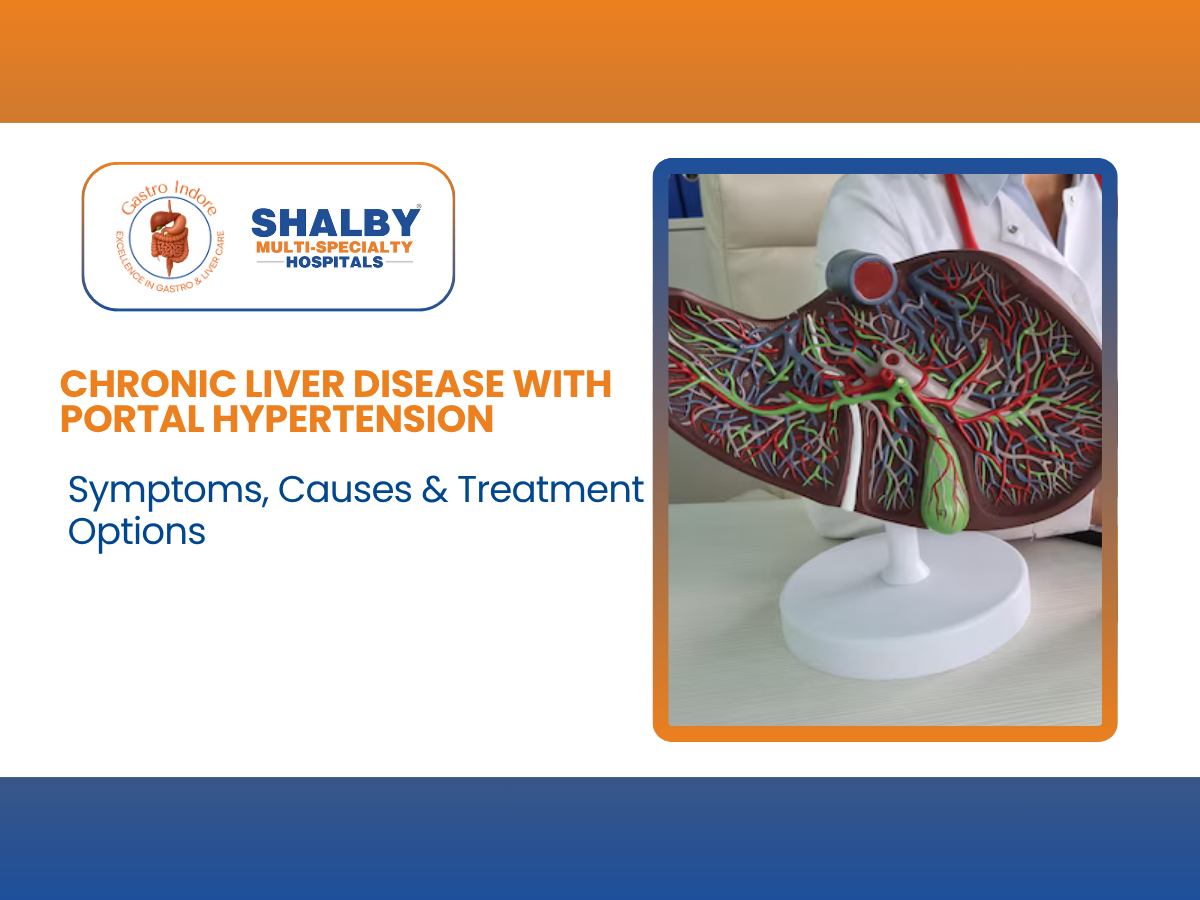
Extensive, permanent scarring. The liver’s architecture is fundamentally altered. Blood cannot flow through it normally, which creates a serious problem called portal hypertension dangerous back-pressure in the portal vein that supplies the liver.
Chronic liver disease with portal hypertension is a turning point that can lead to:
- Varices swollen veins in the esophagus or stomach that can rupture and bleed catastrophically
- Ascites fluid accumulation in the abdomen. Is swelling in legs and abdomen a sign of liver cirrhosis? Very often, yes.
- Hepatic encephalopathy confusion and altered consciousness caused by toxins the failing liver can no longer clear
- Liver cancer cirrhosis is the single biggest risk factor for hepatocellular carcinoma. Know who is at risk for liver cancer.
Compensated cirrhosis (when the liver is still managing) has a 10-year survival rate of roughly 47% with proper management.
Decompensated cirrhosis (when complications appear) drops survival to 1–3 years without a transplant.
Stage 5: End-Stage Liver Disease (ESLD) and Liver Failure
At this point, the liver cannot sustain basic bodily functions. The body begins to fail systemically.
Doctors use the MELD score (Model for End-stage Liver Disease) to assess severity on a scale of 6–40. A MELD score above 15 typically means a liver transplant is being seriously considered. Above 30, mortality without transplant is very high.
Read our detailed guide on end-stage liver disease and what happens at this stage.
Recognizing Liver Failure Symptoms Before It Is Too Late
One of the cruelest aspects of liver disease is that it hides. Symptoms appear only when substantial damage has already occurred. Here are the warning signs you must never dismiss:
Symptoms Appearing in Early-Mid Stages
- Persistent fatigue that sleep does not fix
- Mild nausea, especially after fatty meals
- Upper right abdominal discomfort or a dull ache
- Elevated liver enzymes on a blood test (ALT, AST, GGT)
A high count of liver enzymes on a routine blood test is one of the first objective signs the liver is under stress. It should never be dismissed as “slightly elevated nothing to worry about.”
Symptoms Appearing in Advanced Stages
| Symptom | What It Means |
|---|---|
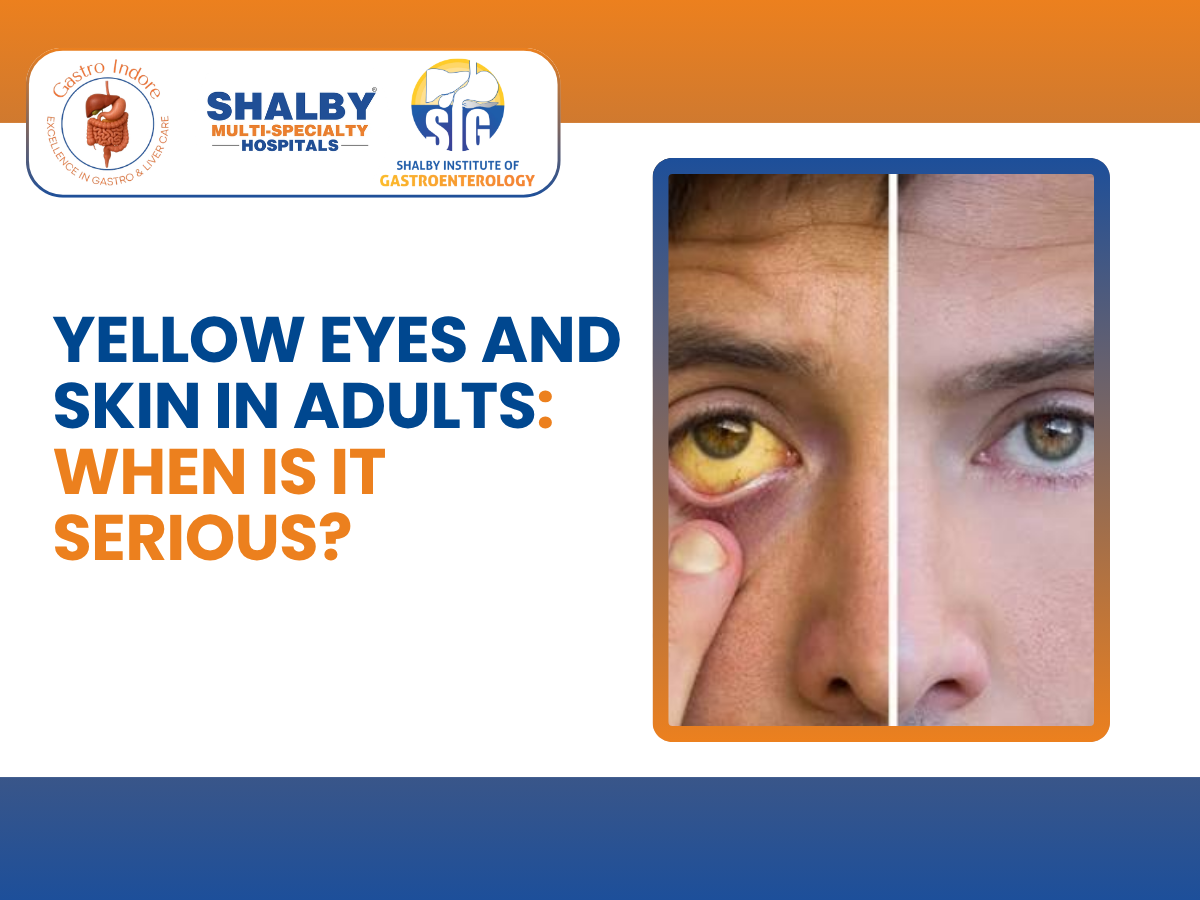
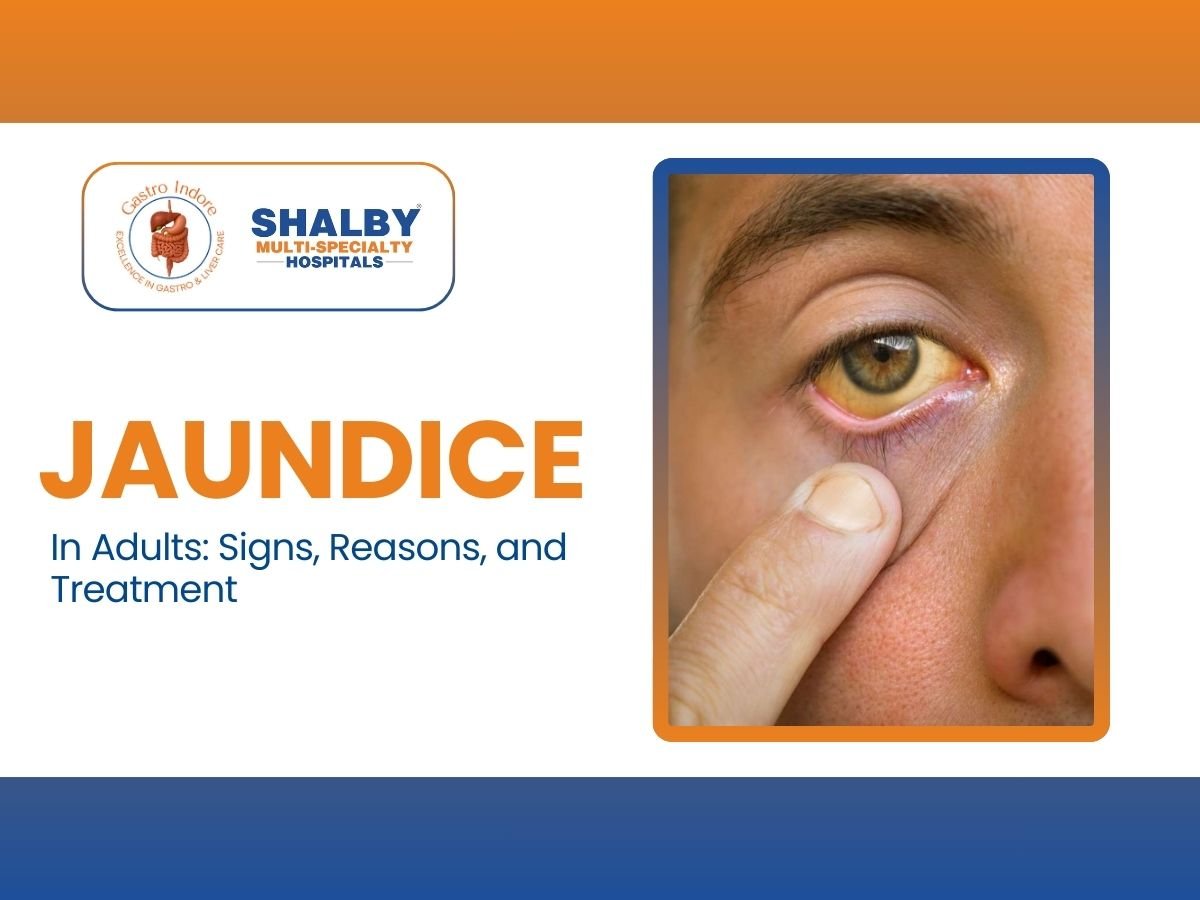
| Jaundice (yellowing of skin/eyes) | Bilirubin is backing up the liver can’t process it. See our guide on jaundice in adults. |
| Ascites (abdominal swelling) | Fluid accumulation due to portal hypertension and low albumin |
| Liver disease itchy skin at night | Bile salts accumulating under the skin a hallmark of cholestatic liver disease |
| Confusion, memory problems | Hepatic encephalopathy toxins crossing into the brain |
| Easy bruising / unexplained bleeding | Clotting proteins no longer produced adequately |
| Dark urine, pale stools | Bilirubin routing abnormally |
| Vomiting blood | Variceal bleeding a medical emergency |
Woman Liver Failure Symptoms: A Special Note
Women with liver disease often present differently. Hormonal imbalances, irregular menstrual cycles, and unexplained breast tissue changes can all be early signs because the liver is responsible for metabolizing estrogen. Women frequently attribute these symptoms to other causes, delaying diagnosis. If you are a woman with any combination of the above signs, early consultation with a gastrologist in Indore is especially important.
Acute Liver Failure: When the Liver Fails Suddenly
Acute liver failure is different from chronic liver disease. It strikes fast sometimes within 48 hours to a few weeks in a person who had no prior liver condition.
Common causes include:
- Paracetamol (acetaminophen) overdose the most common cause of acute liver failure globally
- Acute viral hepatitis A or B
- Drug-induced liver injury (herbal supplements, antituberculosis medications)
- Toxin ingestion (certain mushrooms, industrial chemicals)
- Autoimmune hepatitis flare
Acute liver failure symptoms arrive suddenly: jaundice, severe abdominal pain, confusion, extreme fatigue, and sometimes vomiting blood.
Why it becomes fatal: Acute liver failure causes the brain to swell (cerebral edema), which can lead to herniation, coma, and death within days. Simultaneously, the kidneys may fail (hepatorenal syndrome), and blood clotting collapses.
This is a medical emergency. If someone develops sudden jaundice with confusion, they need a hospital not a wait-and-see approach.
Understand the difference between liver failure and liver disease progression here.
Signs of Bad Liver and Kidney Function Together: The Danger Combination
When liver disease advances, it damages the kidneys too a condition called hepatorenal syndrome (HRS). The failing liver causes blood vessels in the kidneys to constrict, reducing blood flow until the kidneys shut down.
Signs of bad liver and kidney function occurring together:
- Sharply reduced urine output
- Severe fluid retention throughout the body
- Progressive confusion (both organs failing to clear toxins)
- Extreme fatigue and weakness
HRS carries a mortality rate above 50% without urgent intervention including dialysis and transplant evaluation. This combination is a medical emergency. Is your liver quietly getting damaged already? Take the self-check.
What Causes Liver Failure? Know Your Risk
| Cause | Details |
|---|---|
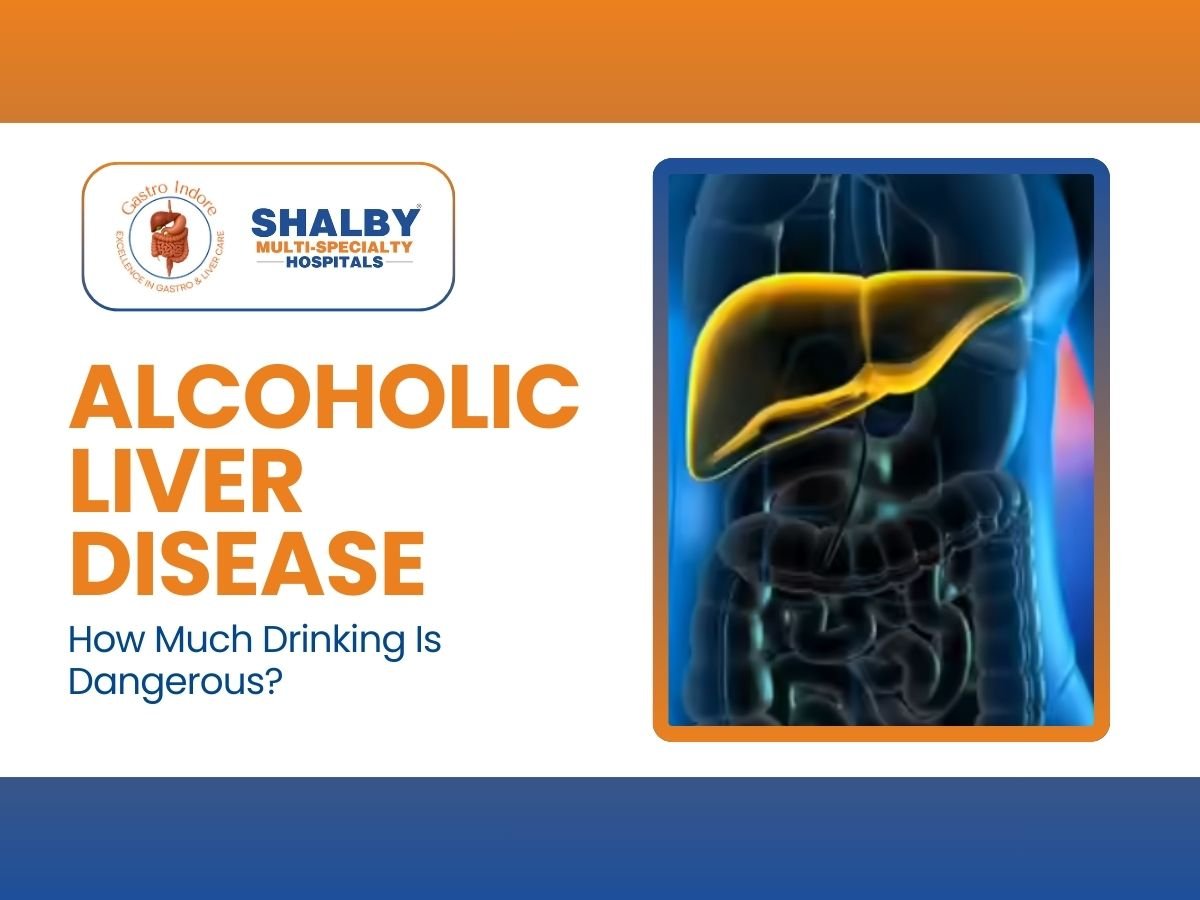
| Chronic alcohol abuse | Directly toxic to liver cells; causes alcoholic hepatitis and cirrhosis. How much drinking is actually dangerous? |
| Hepatitis B & C | Viral infection causing progressive liver destruction. Learn about hepatitis types, causes, and prevention. |
| NAFLD / NASH | Linked to obesity, diabetes, metabolic syndrome. Full guide to non-alcoholic fatty liver disease. |
| Drug-induced liver injury | Paracetamol overuse, herbal medicines, antifungals |
| Autoimmune hepatitis | Immune system attacks liver cells |
| Genetic conditions | Wilson’s disease, hemochromatosis |
| Bile duct obstruction | Including cancer. Early signs of bile duct cancer most people miss. |
Liver Failure Treatment in Indore: What Your Options Are
Treatment depends on the stage of disease and the underlying cause.
At Gastro Indore, our liver doctors use:
- Fibroscan, liver function tests (LFTs), and biopsy to accurately stage disease
- Antiviral therapy for Hepatitis B and C highly effective at halting progression when started early
- Lifestyle modification programs for fatty liver and early fibrosis
- Immunosuppressants for autoimmune hepatitis
- Diuretics and sodium restriction for ascites management
- Lactulose and rifaximin for hepatic encephalopathy
- Endoscopic band ligation for prevention of variceal bleeding
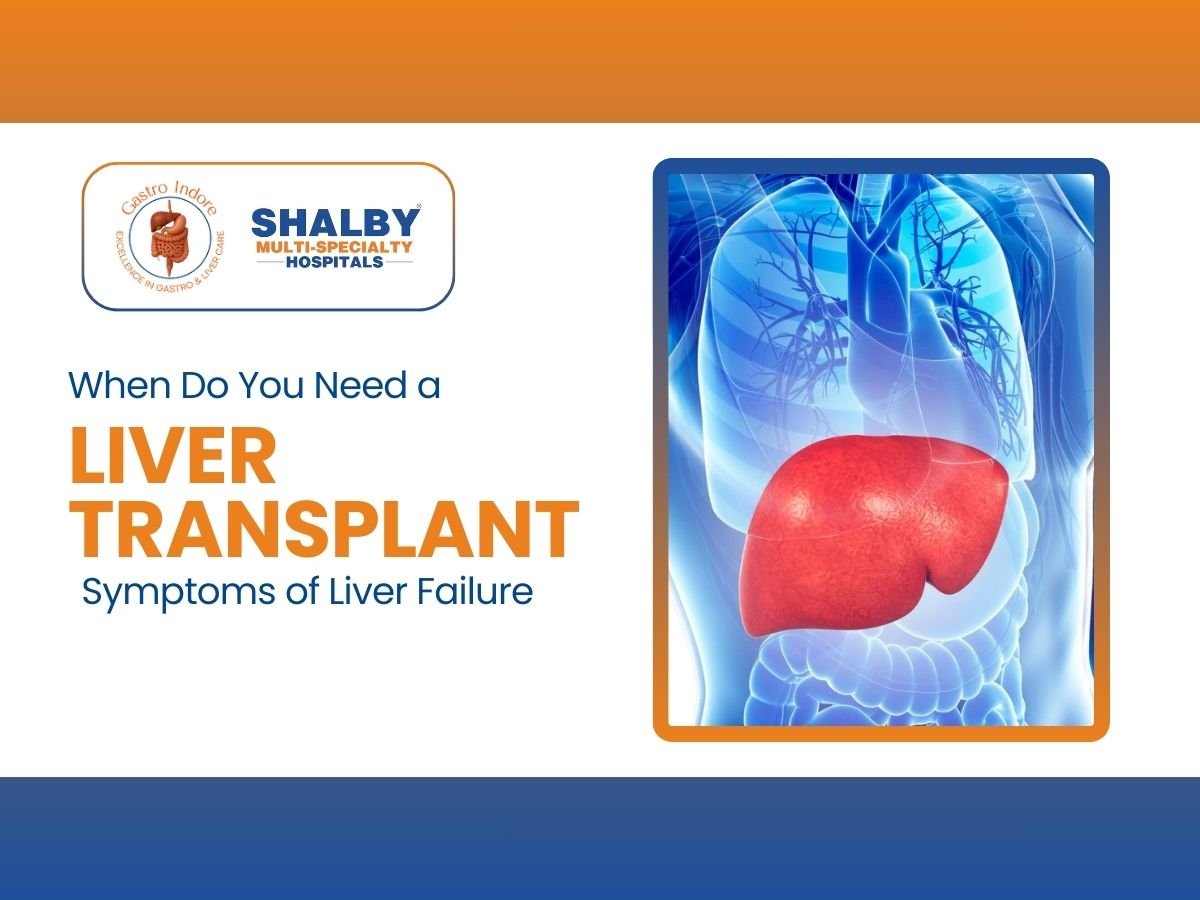
- Liver transplant evaluation for eligible end-stage patients. Learn who needs a liver transplant.
If you are wondering whether your symptoms warrant specialist attention, see how expert gastro doctor care makes the difference.
Can Fatty Liver Disease Lead to Sudden Death?
Yes not through liver failure directly, but through cardiovascular disease. Advanced fatty liver (non-alcoholic steatohepatitis / NASH) causes systemic inflammation and metabolic disturbance that dramatically increases the risk of heart attack and stroke the leading causes of death in NAFLD patients.
This is why fatty liver disease is never “just a diet problem.” It is a systemic metabolic disease requiring active management.
FAQs About Can Liver Disease Kill You?
1. How long can someone survive with liver disease?
Survival depends on the stage of liver disease. Early-stage liver damage can be managed for many years, while advanced liver failure may require a liver transplant for long-term survival.
2. What is the MELD score in liver disease?
The MELD score is a medical scoring system used to measure the severity of liver failure and determine liver transplant priority based on blood test results.
3. Does liver disease always cause itchy skin at night?
No, itchy skin at night is common in some liver diseases but not all. It usually happens when bile salts build up due to poor liver function.
4. Can the liver recover from cirrhosis?
Early liver damage may improve with treatment and lifestyle changes, but advanced cirrhosis is usually irreversible. Proper medical care can help slow progression.
5. What is the difference between acute and chronic liver failure?
Acute liver failure develops suddenly within days or weeks, while chronic liver failure develops slowly over months or years due to long-term liver damage.
Book Your Liver Consultation at Gastro Indore
Liver disease is silent until it is not. Patients who come to us in the early stages leave with a management plan. Those who come in Stage 5 have very few options left.
Do not wait for symptoms to become undeniable. Whether you have abnormal liver enzyme results, a family history of liver disease, or are simply concerned about years of alcohol consumption or a high-fat diet a consultation costs very little. Waiting could cost everything.
Contact Gastro Indore today to schedule your appointment with Dr. Ajay Jain, Dr. Shohini Sircar, or Dr. Sudhanshu Yadav Indore’s specialist team for liver diseases, hepatology, and transplant evaluation.
Related Reading: