

Hepatitis B treatment
Hepatitis B Treatment in Indore
Discovering you have Hepatitis B or worrying you may have been exposed can feel frightening and isolating. Yet with accurate diagnosis and the right medical support, most people with Hepatitis B in Indore can protect their liver, manage their condition effectively, and live a healthy, full life. Hepatitis B treatment in Indore is available at Gastro Indore, Shalby Institute of Gastroenterology, Janjeerwala Square a specialist digestive health centre equipped with advanced liver diagnostics and led by an experienced gastroenterology team.
This page covers everything you need to know: what Hepatitis B is, how it spreads, its symptoms, how it is diagnosed, what treatment options are available in Indore, and how to protect your liver long-term so you can take the right steps for your health today.
What Is Hepatitis B?
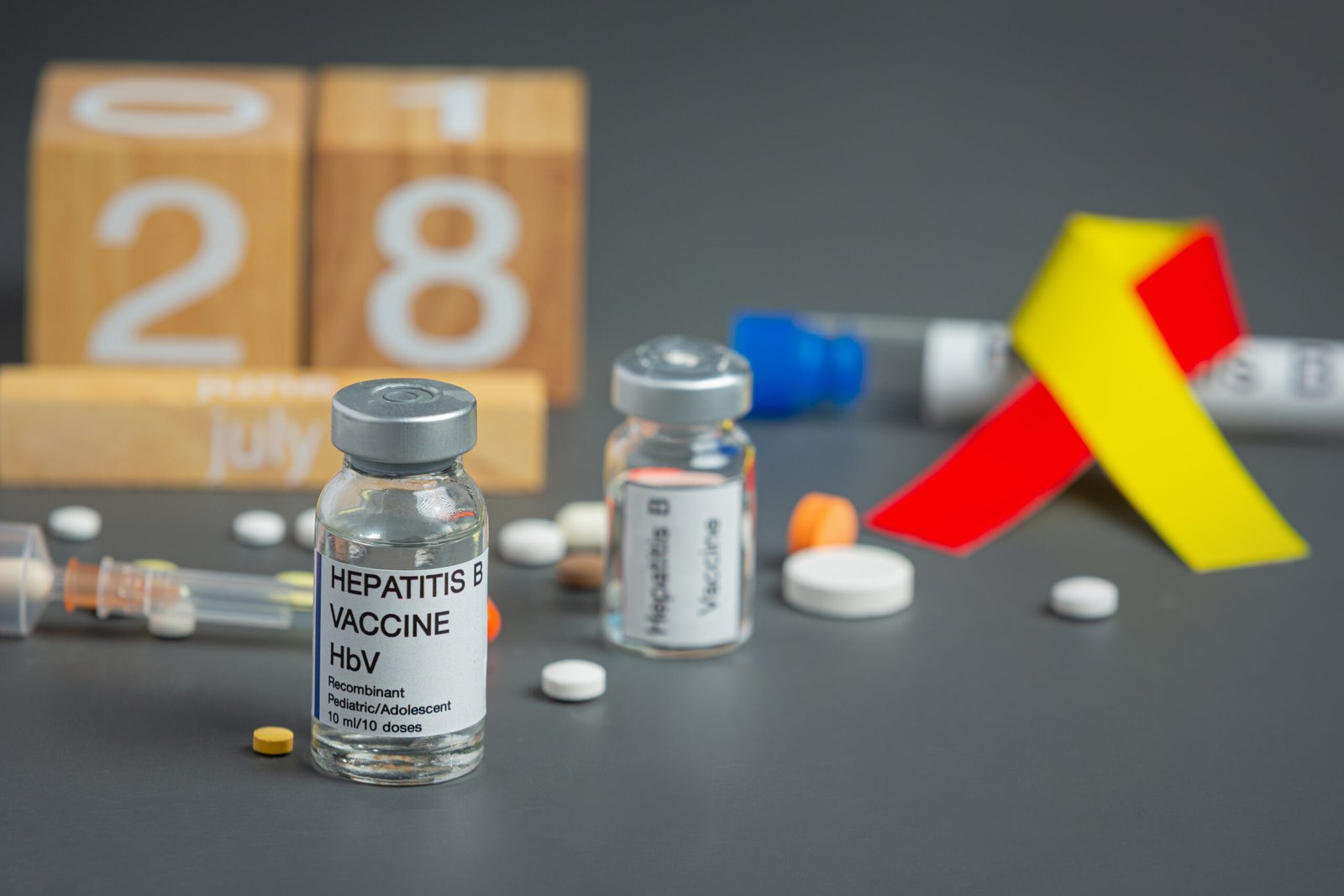
Hepatitis B is a serious viral infection (Hepatitis B virus, or HBV) that attacks the liver and can cause both acute short-term illness and chronic long-term liver disease. According to WHO estimates, over 296 million people worldwide live with chronic Hepatitis B infection making it one of the leading causes of liver cirrhosis and liver cancer globally.
The virus spreads through contact with infected blood, bodily fluids, unprotected sexual contact, sharing of needles, and from an infected mother to her baby during childbirth. It does not spread through casual contact such as hugging, shaking hands, sharing food, or coughing. Many people with chronic Hepatitis B show no symptoms for years which is why screening and early diagnosis are critical for anyone at risk.
Symptoms of Hepatitis B When to See a Doctor in Indore
Hepatitis B can remain silent for months or even years, but certain symptoms should prompt an immediate liver evaluation at Gastro Indore rather than waiting and watching.
Jaundice (yellowing of skin or eyes): If you notice yellowing of the skin or whites of the eyes, visit a liver specialist in Indore urgently jaundice signals significant liver stress and needs same-day evaluation.
Persistent fatigue: Unexplained, severe tiredness that does not improve with rest especially alongside other digestive symptoms is a common early sign of Hepatitis B requiring medical assessment.
Dark-coloured urine: Cola-coloured or tea-coloured urine without recent dietary cause is a warning sign of liver inflammation that should be investigated promptly in Indore.
Abdominal pain or discomfort: Pain or tenderness in the upper right abdomen, where the liver is located, is a direct symptom of liver inflammation and must not be dismissed.
Nausea, vomiting, and loss of appetite: Persistent nausea with reduced appetite, particularly when accompanied by weight loss, warrants a liver function test and Hepatitis B screening in Indore.
Pale or clay-coloured stools: Unusually light-coloured stools alongside jaundice can indicate obstructed bile flow secondary to liver disease seek specialist evaluation at Gastro Indore, Janjeerwala Square.
Fever and joint pain: In acute Hepatitis B, a flu-like illness with fever, muscle aches, and joint pain can precede jaundice by several days and should be assessed by a gastroenterologist in Indore.
Causes and Risk Factors of Hepatitis B
Hepatitis B is caused exclusively by the Hepatitis B virus (HBV). However, certain behaviours and circumstances substantially increase the risk of acquiring or developing complications from the infection several of which are relevant to patients in Indore.
Unprotected sexual contact
HBV is highly contagious through sexual transmission with an infected partner, making unprotected intercourse a primary transmission route in young adults.
Exposure to infected blood
Sharing needles, syringes, or any blood-contaminated instruments including unsterilised medical or dental equipment carries a high risk of HBV transmission.
Mother-to-child transmission
Babies born to HBV-positive mothers are at high risk of chronic Hepatitis B unless vaccinated and given hepatitis B immune globulin at birth. Pregnant women in Indore should be screened as part of routine antenatal care.
Living with a chronic Hepatitis B carrier
Close household contact with an infected person particularly sharing personal care items such as razors or toothbrushes increases transmission risk.
Absence of vaccination
Unvaccinated adults in Indore, especially healthcare workers, travellers, and those with multiple sexual partners, face a substantially higher risk of HBV infection than those who are vaccinated.
How Is Hepatitis B Diagnosed at Gastro Indore, Indore?
At Gastro Indore, Shalby Institute of Gastroenterology, Janjeerwala Square, our specialist team uses a structured, evidence-based diagnostic approach to accurately assess the stage and severity of Hepatitis B infection and determine the most appropriate treatment strategy.
Our diagnostic process includes:
- Hepatitis B surface antigen test (HBsAg): The primary blood test that confirms whether the Hepatitis B virus is currently present in your body. A positive HBsAg result lasting more than six months indicates chronic infection.
- Hepatitis B e-antigen and antibody tests (HBeAg / anti-HBe): These markers indicate whether the virus is actively replicating and help assess infectivity critical information for treatment planning.
- HBV DNA quantification (viral load): Measures the amount of virus in the blood. High viral load indicates active replication and a greater risk of liver damage, guiding whether antiviral therapy is needed.
- Liver function tests (LFTs): Blood tests measuring liver enzyme levels (ALT, AST), bilirubin, and albumin to assess the degree of liver inflammation and damage.
- Liver ultrasound: High-resolution abdominal ultrasound imaging at Gastro Indore visualises the liver structure, identifies early cirrhosis, portal hypertension, or suspicious lesions, and screens for liver cancer.
- FibroScan / liver elastography (where indicated): A non-invasive technique to assess liver stiffness and the degree of fibrosis or cirrhosis often used instead of liver biopsy for monitoring chronic Hepatitis B.
Treatment Options for Hepatitis B in Indore
At Gastro Indore, our gastroenterology team creates a personalised Hepatitis B treatment plan tailored to your viral load, liver health, and lifestyle in Indore because no two patients’ situations are identical.
Lifestyle and Dietary Modifications
Dietary and lifestyle changes are a foundational part of managing Hepatitis B and protecting liver health. Patients are advised to completely avoid alcohol, which accelerates liver damage in those with HBV infection. A liver-supportive diet rich in fresh vegetables, whole grains, and low in processed and fried foods achievable with ingredients readily available in Indore’s markets reduces the metabolic burden on the liver. Maintaining a healthy weight is also important, as non-alcoholic fatty liver disease alongside Hepatitis B significantly worsens outcomes.
Antiviral Medication Management
For patients with chronic Hepatitis B and evidence of active viral replication or liver damage, antiviral medications are the cornerstone of treatment. Oral antiviral agents such as tenofovir or entecavir effectively suppress HBV DNA to undetectable levels, reduce liver inflammation, and substantially lower the risk of cirrhosis and liver cancer. Our liver specialist in Indore monitors your response through regular viral load and liver function testing, adjusting therapy as needed. Treatment is typically long-term, but modern antivirals have excellent safety profiles and are well-tolerated.
Monitoring, Surveillance, and Advanced Care
Patients with chronic Hepatitis B require lifelong structured monitoring even if not currently on antiviral treatment because the virus can reactivate and liver disease can progress silently. At Gastro Indore, we implement six-monthly liver ultrasound and AFP (alpha-fetoprotein) surveillance for liver cancer screening in line with standard clinical guidelines. Patients who develop advanced liver disease or cirrhosis are evaluated for specialist intervention and, where appropriate, referred for liver transplant assessment. Hepatitis B vaccination for unvaccinated close family members is also coordinated as part of our holistic patient care approach.
Living with Hepatitis B Advice for Patients in Indore
Managing chronic Hepatitis B is a long-term commitment and it is entirely understandable to feel anxious or overwhelmed. These practical steps can help you stay in control of your liver health day-to-day.
- Never miss your follow-up appointments: Regular liver function tests, viral load checks, and ultrasound scans are not optional they are what catch disease progression early, before symptoms develop. Stick to the monitoring schedule given to you by your specialist at Gastro Indore.
- Protect your family through vaccination: If close household members or sexual partners have not been vaccinated against Hepatitis B, arrange this immediately. Vaccination is safe, effective, and permanently protective and widely available in Indore.
- Adopt a liver-friendly lifestyle: Avoid alcohol entirely, reduce consumption of oily and fried street foods common in Madhya Pradesh’s food culture, stay well hydrated, and take regular moderate exercise. These changes directly reduce stress on the liver and slow fibrosis progression.
- Manage stress and mental well-being: Living with a chronic viral infection carries a psychological burden that is rarely discussed. If anxiety or low mood are affecting your daily life in Indore, speak to your doctor support is available and mental health directly influences treatment adherence and outcomes.
Frequently Asked Questions About Hepatitis B Treatment in Indore
What is Hepatitis B?
Hepatitis B is a viral infection caused by the Hepatitis B virus (HBV) that affects the liver and can cause both acute and chronic liver disease. It spreads through contact with infected blood, bodily fluids, or from mother to child during childbirth and is preventable through vaccination.
What are the common symptoms of Hepatitis B?
Common symptoms include jaundice, fatigue, nausea, vomiting, abdominal pain, dark urine, pale stools, and loss of appetite. Importantly, some people particularly those with chronic infection may have no symptoms at all, which is why screening is essential.
When should I seek Hepatitis B treatment in Indore?
Consult a gastroenterologist at Gastro Indore if you have symptoms of liver disease, abnormal liver function test results, a positive Hepatitis B test, or a known risk of exposure. Early medical evaluation in Indore can prevent liver damage and serious long-term complications.
Can Hepatitis B be cured completely?
Acute Hepatitis B often resolves on its own with supportive care. Chronic Hepatitis B usually requires long-term monitoring and antiviral treatment. While the virus may not always be fully eliminated, modern treatment effectively controls viral activity, protects liver health, and significantly reduces the risk of cirrhosis and liver cancer.
How is Hepatitis B diagnosed?
Hepatitis B is diagnosed through a series of blood tests including HBsAg, HBV DNA viral load, and liver function tests. At Gastro Indore, additional investigations such as liver ultrasound and FibroScan may be used to assess the extent of liver involvement and guide treatment planning.
What treatments are available for Hepatitis B?
Treatment options include oral antiviral medications such as tenofovir or entecavir, regular monitoring of viral load and liver function, and lifestyle modifications including alcohol cessation and a liver-protective diet. The treatment plan is individualised based on viral activity, liver health, and disease stage.
Can Hepatitis B lead to liver cirrhosis or cancer?
Yes untreated chronic Hepatitis B significantly increases the risk of liver cirrhosis, liver failure, and hepatocellular carcinoma (liver cancer). Regular follow-up, antiviral treatment when indicated, and six-monthly liver cancer surveillance at Gastro Indore substantially reduce these risks.
Is Hepatitis B contagious?
Yes, Hepatitis B is contagious and spreads through infected blood, unprotected sexual contact, shared needles, and from mother to baby at birth. It does not spread through casual contact such as hugging, sharing meals, or coughing making daily social interaction safe once precautions are in place.
Can Hepatitis B be prevented?
Yes. Vaccination is the most effective prevention strategy and provides long-term protection. Safe medical practices, protected sexual activity, not sharing needles or personal hygiene items, and screening of pregnant women all significantly reduce transmission risk.
Which doctor should I consult for Hepatitis B treatment in Indore?
A gastroenterologist or liver specialist is the right doctor for diagnosing and managing Hepatitis B. At Gastro Indore, Shalby Institute of Gastroenterology, Janjeerwala Square, Indore, our specialist team provides comprehensive Hepatitis B care from initial diagnosis to long-term liver monitoring. Call +91 9755908598 to book your consultation.